

Thank You
Case Of The Month Review 2025 – Celebrate with us our heroes 2025
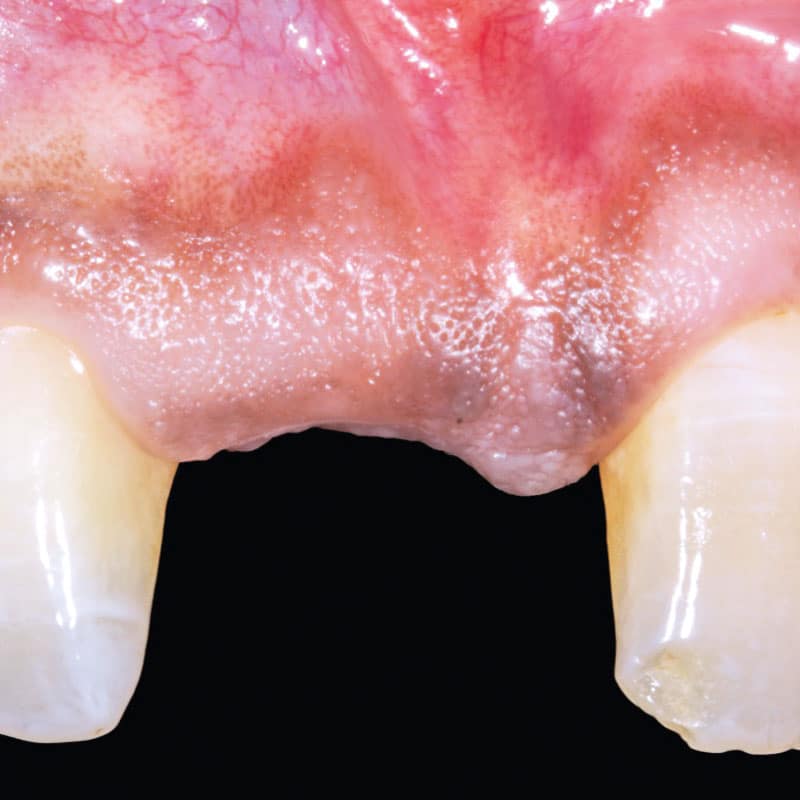

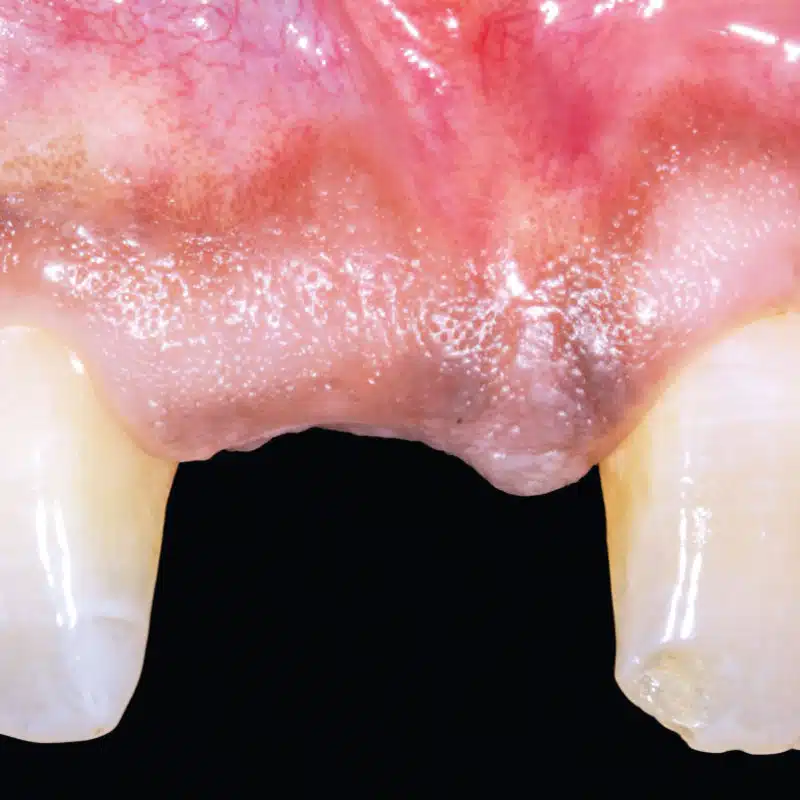
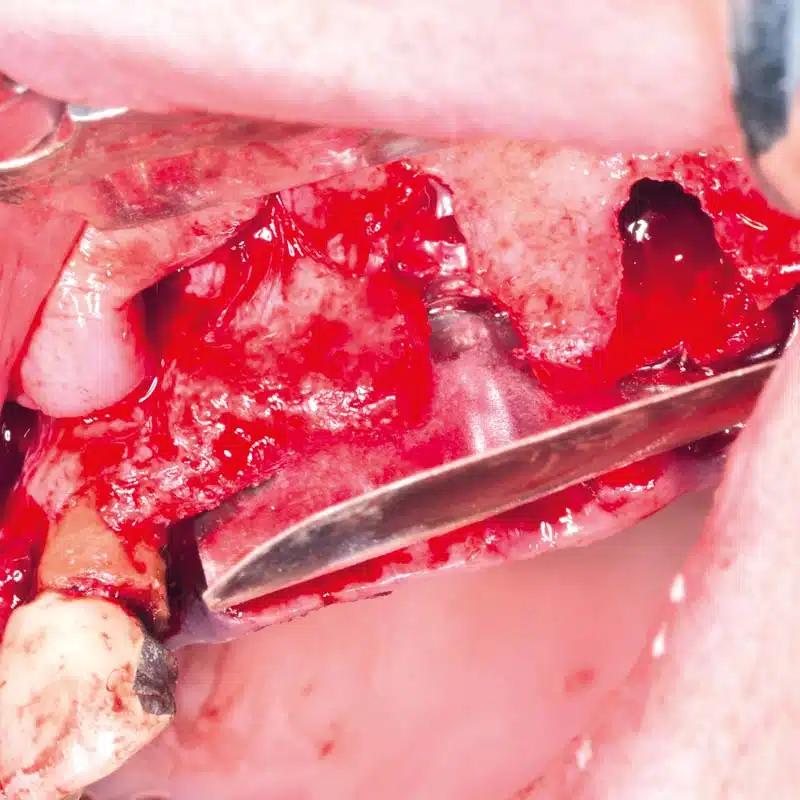
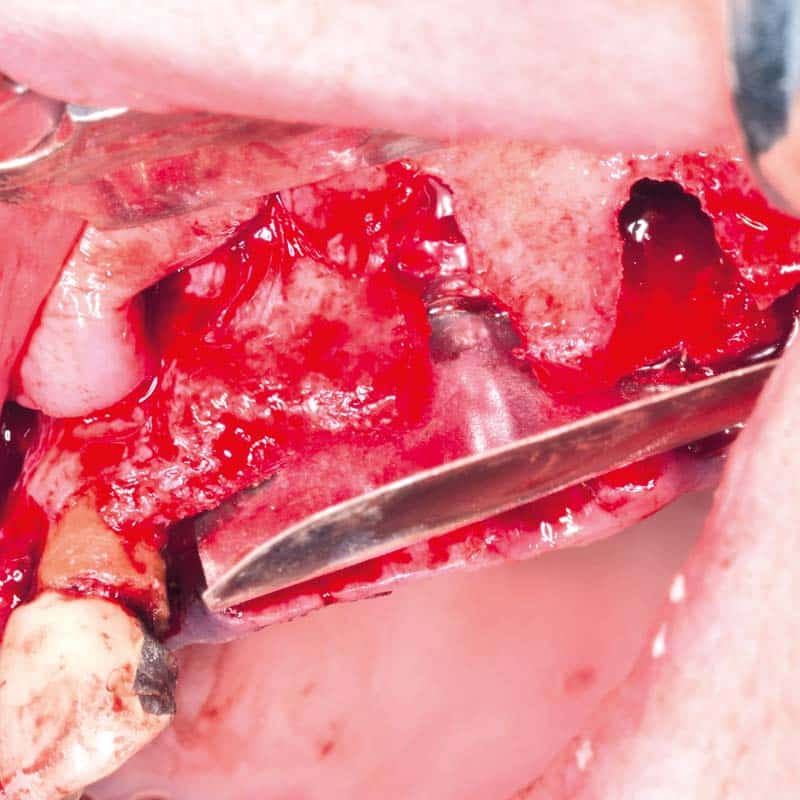
Discover how Dr. Joseph Gakonyo combines autologous bone with cerabone® +HyA, permamem® and Jason® membrane to manage a severely resorbed anterior maxilla. This stepwise GBR and staged implant protocol demonstrates predictable horizontal augmentation, stable soft tissues, and a highly aesthetic single-tooth replacement.

Dr. Luka Markovic presents a complex maxillary rehabilitation managing failed implants with explantation, staged GBR (autogenous bone + cerabone® +HyA + NOVAMag® membrane) and soft tissue augmentation (mucoderm® + FGG). Additional GBR with cerabone® +HyA and Jason® membrane plus zirconia bridges on titanium bases lead to stable functional and esthetic restoration.
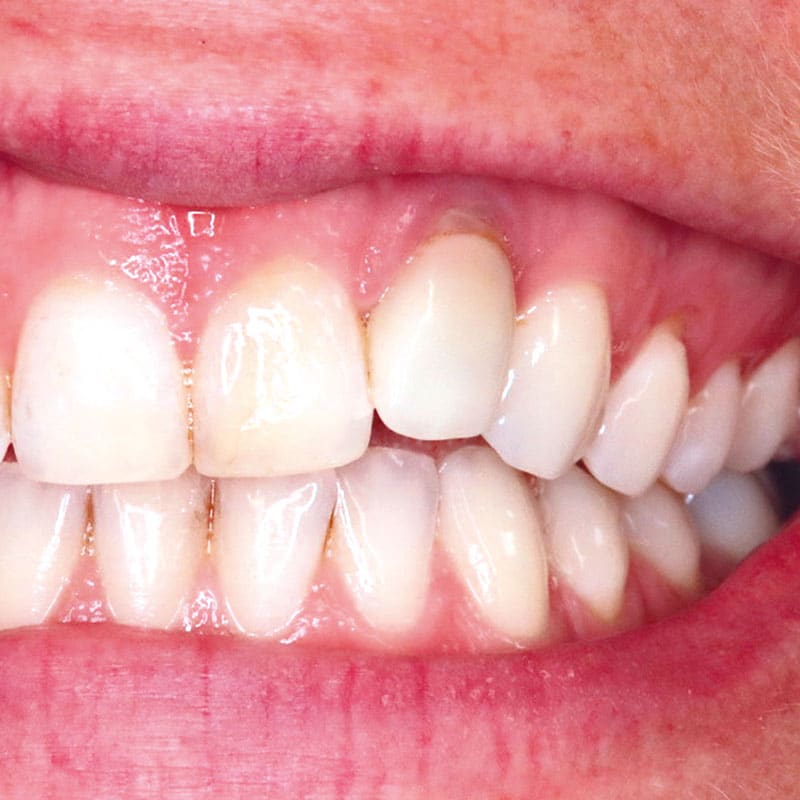

This case illustrates delayed implant placement for a failing maxillary lateral incisor in a young female patient with a high smile line. Guided bone regeneration with cerabone® and Jason® membrane, followed by a provisional crown to customize the emergence profile, enabled predictable contour ridge augmentation and an excellent, long-term aesthetic outcome.
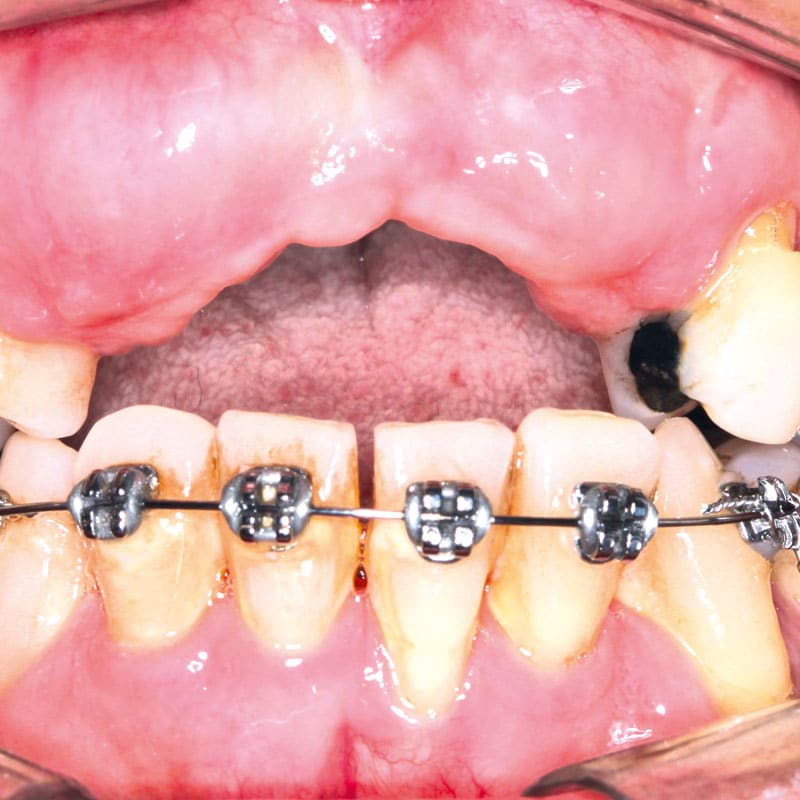

Trauma-related horizontal and vertical defect in the anterior maxilla successfully reconstructed using the allogenic shell technique with maxgraft® cortico, a mixed autogenous/allogenic graft, and Jason® membrane, enabling immediate implant placement after 9 months and a stable result at 4-year follow-up.
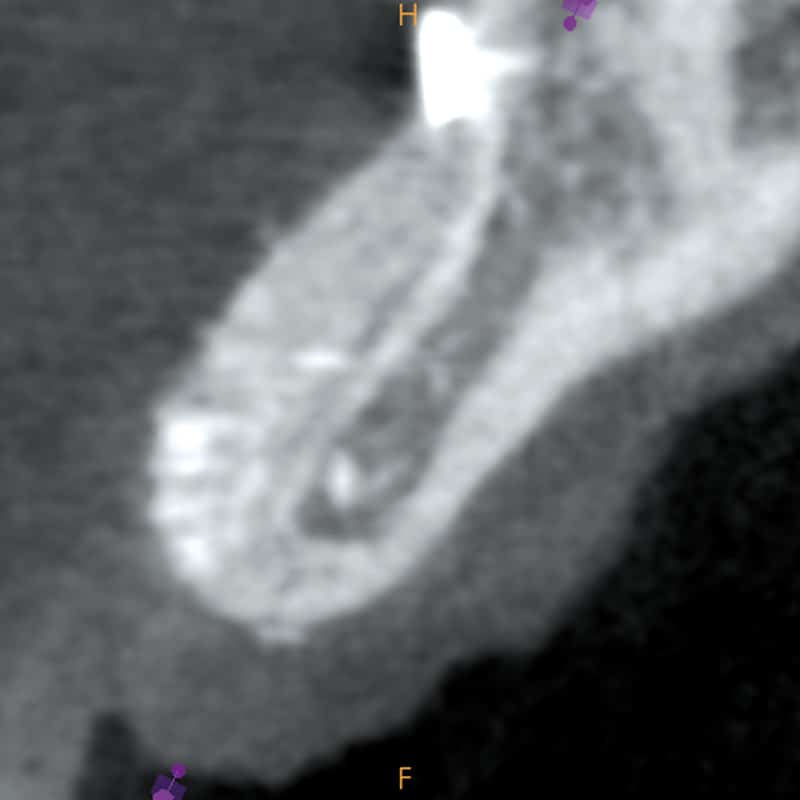

A severe horizontal defect due to a missing central incisor was treated with two-stage GBR using the novel allogenic maxgraft® +HyA cortico-cancellous and Jason® membrane. CBCT at 3 months confirmed volume stability, allowing implant placement at 6 months and demonstrating a stable clinical outcome at the 1-year follow-up.
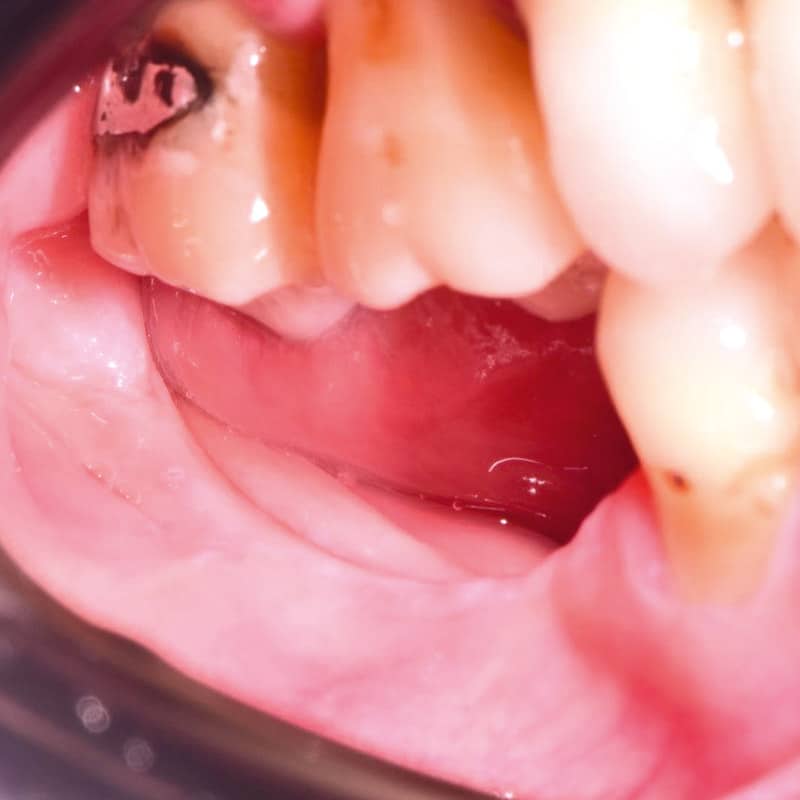

In the posterior mandible with insufficient hard and soft tissue, a two-stage GBR was performed using permamem® stabilized with NOVAMag® fixation screws and a 50:50 mix of cerabone® +HyA and autologous bone on a decorticalized site, combined with mucoderm® for soft tissue thickening. After six months, the augmented area provided sufficient volume and stability for successful implant placement with high primary stability.
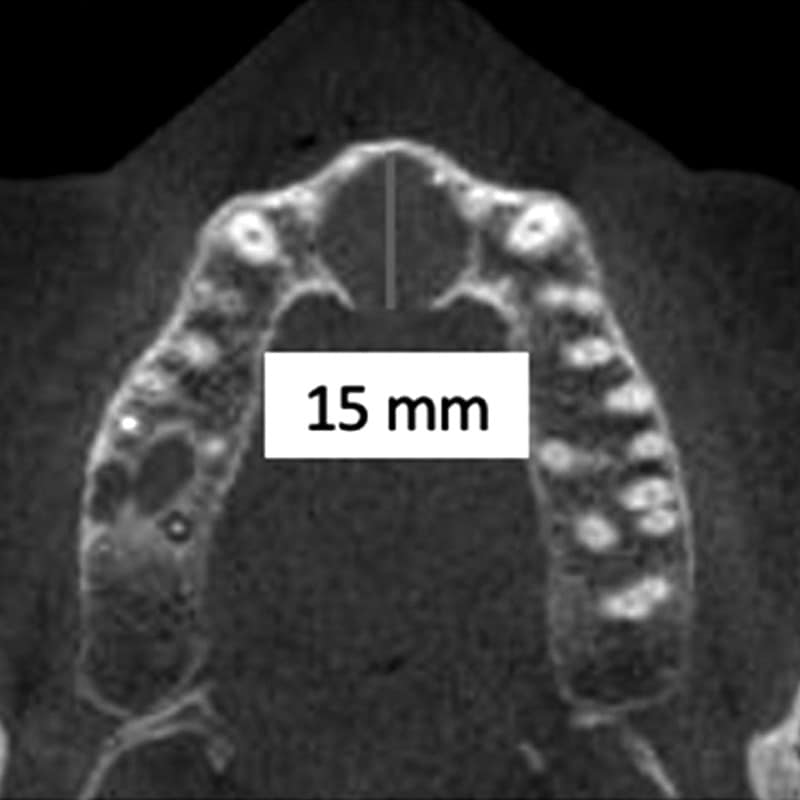

A large radicular cyst in the anterior maxilla was managed by a staged approach with marsupialization and enucleation, followed by GBR using NOVAMag® membrane and cerabone® to stabilize the extensive defect. Follow-up up to 16 months showed restored palatal contour, increased bone volume and density, and stable, asymptomatic clinical conditions without signs of recurrence.
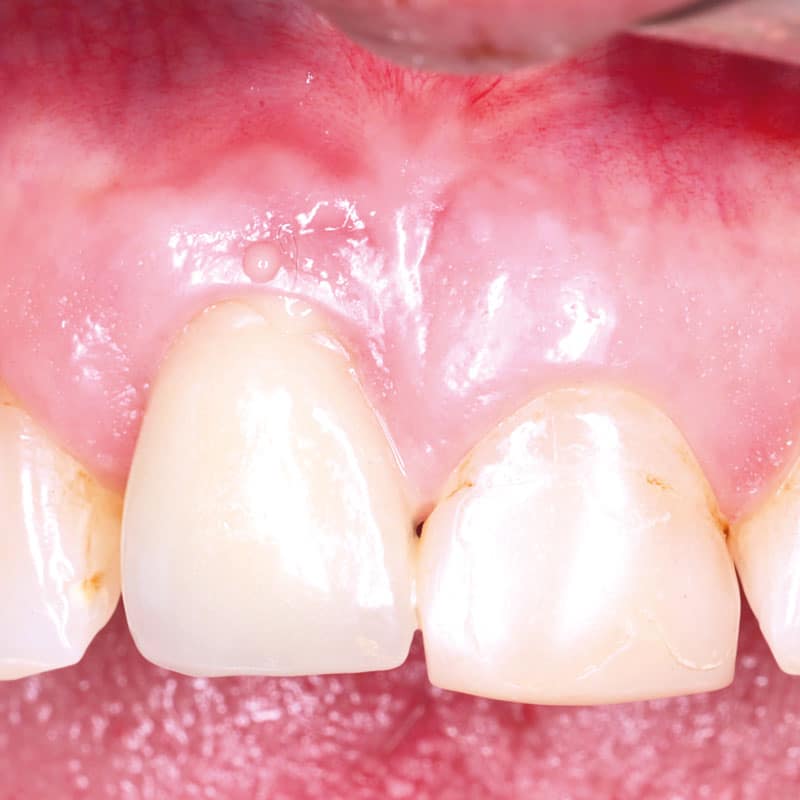

Peri-implantitis in the anterior maxilla with hard and soft tissue loss was treated by surface decontamination, defect filling and horizontal augmentation with maxgraft® granules and collprotect® membrane plus a coronally advanced flap, achieving stable peri-implant conditions and an aesthetic final restoration.
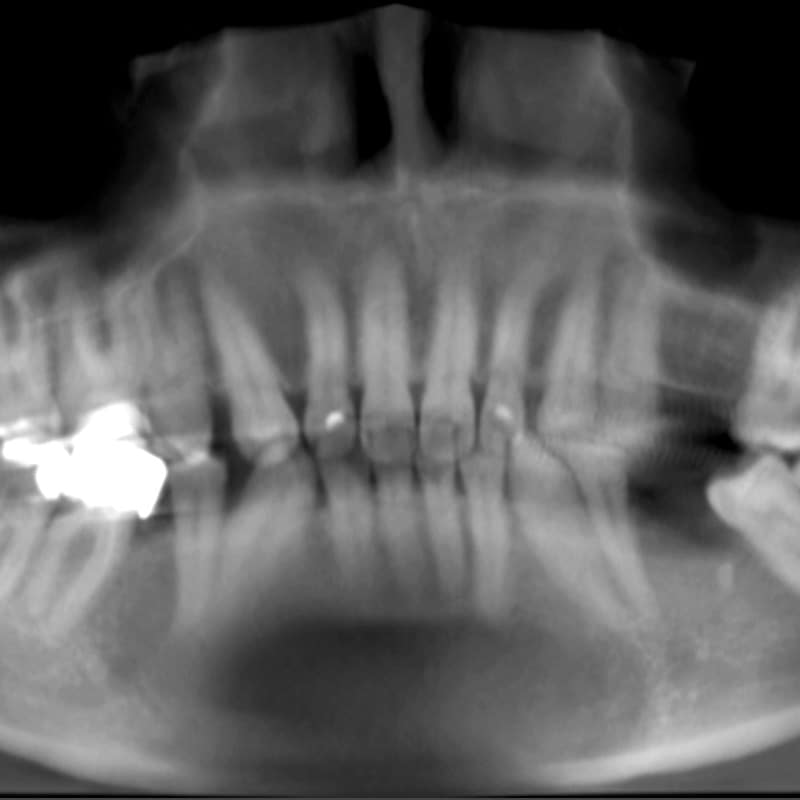
A four-walled mandibular ridge defect after extraction of tooth 46 was augmented using a mix of autologous bone chips and cerabone® +HyA covered with NOVAMag® membrane and fixation screws, enabling predictable bone regeneration, stable implant placement at 5 months and final restoration with a screw-retained zirconia crown.
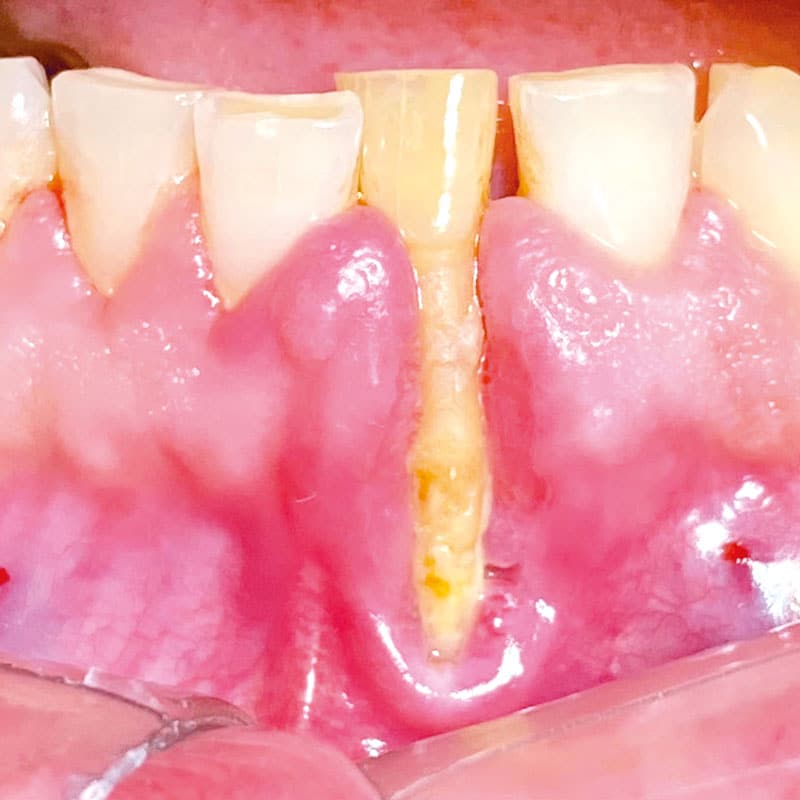
After extraction of a tooth with severe recession and buccal wall loss, an immediate implant was placed and stabilized using a shaped NOVAMag® membrane as a rigid plate with fixation screws, peri-implant gaps filled with maxgraft® granules and covered by collprotect® membrane, resulting in stable buccal bone regeneration and satisfactory recession closure at 4–9 months.
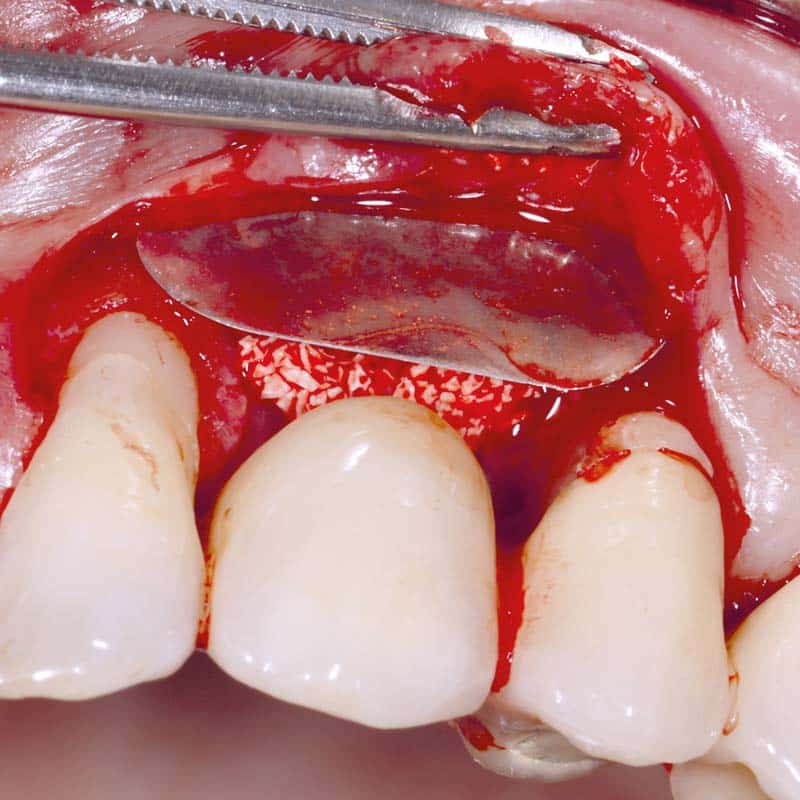

A peri-implant bone defect was regenerated using GBR with cerabone® +HyA and the Shield Technique with fully resorbable NOVAMag® SHIELD, showing progressive bone fill, improved implant stability at 6 months and a predictable, long-term outcome confirmed at 12-month follow-up.
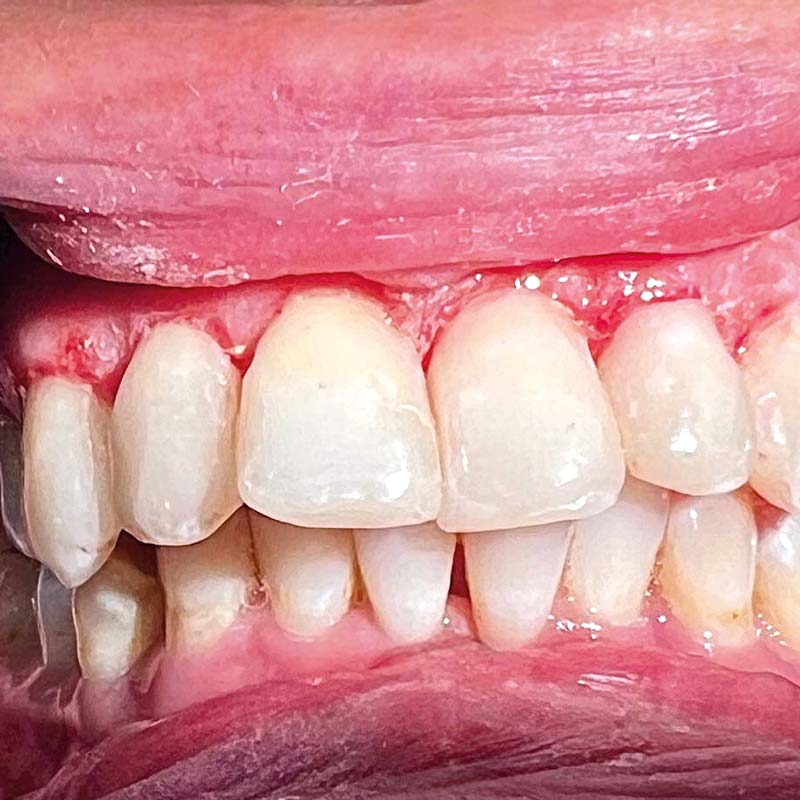
Stage III Grade C periodontitis with persistent deep pockets was treated surgically using guided tissue regeneration with maxgraft® +HyA XS and Emdogain®, resulting in reduced probing depths, stable periodontal conditions and harmonious soft-tissue aesthetics at 1-year follow-up after restorative refinement.