
CASE OF THE MONTH | 11/2026
Prof. Giovanni Zucchelli
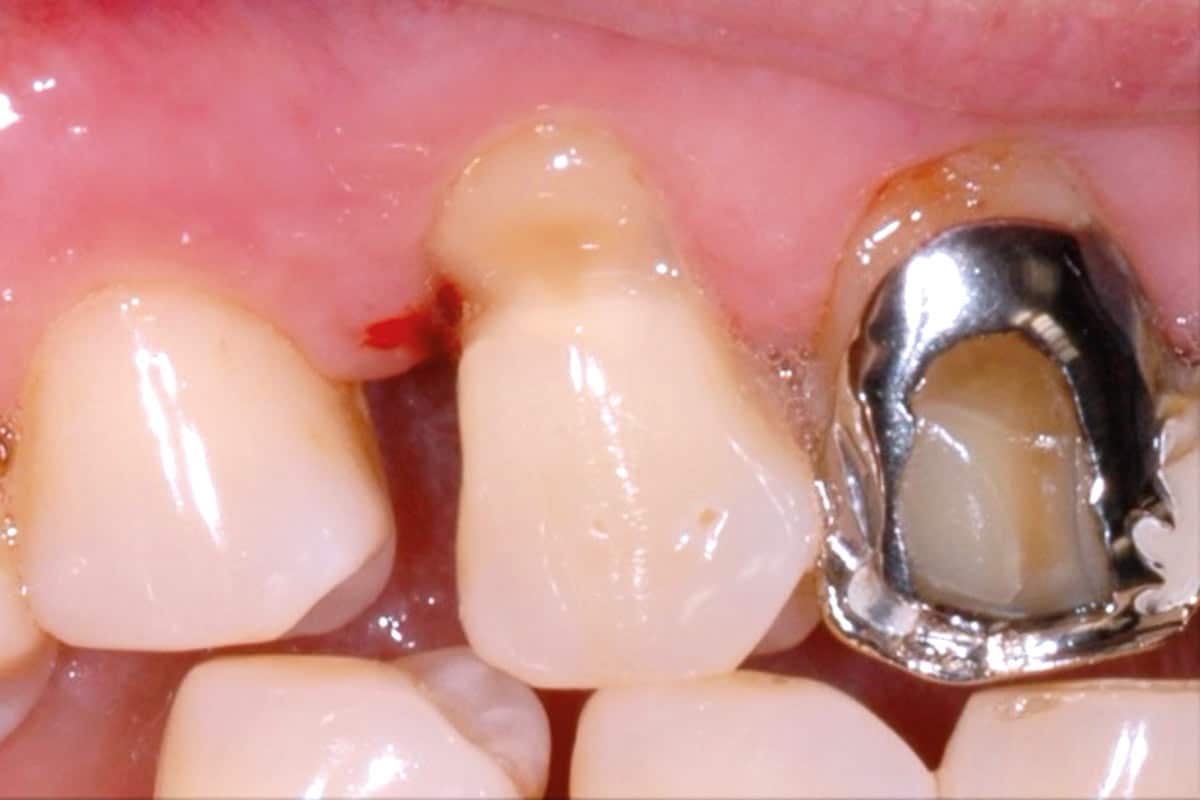
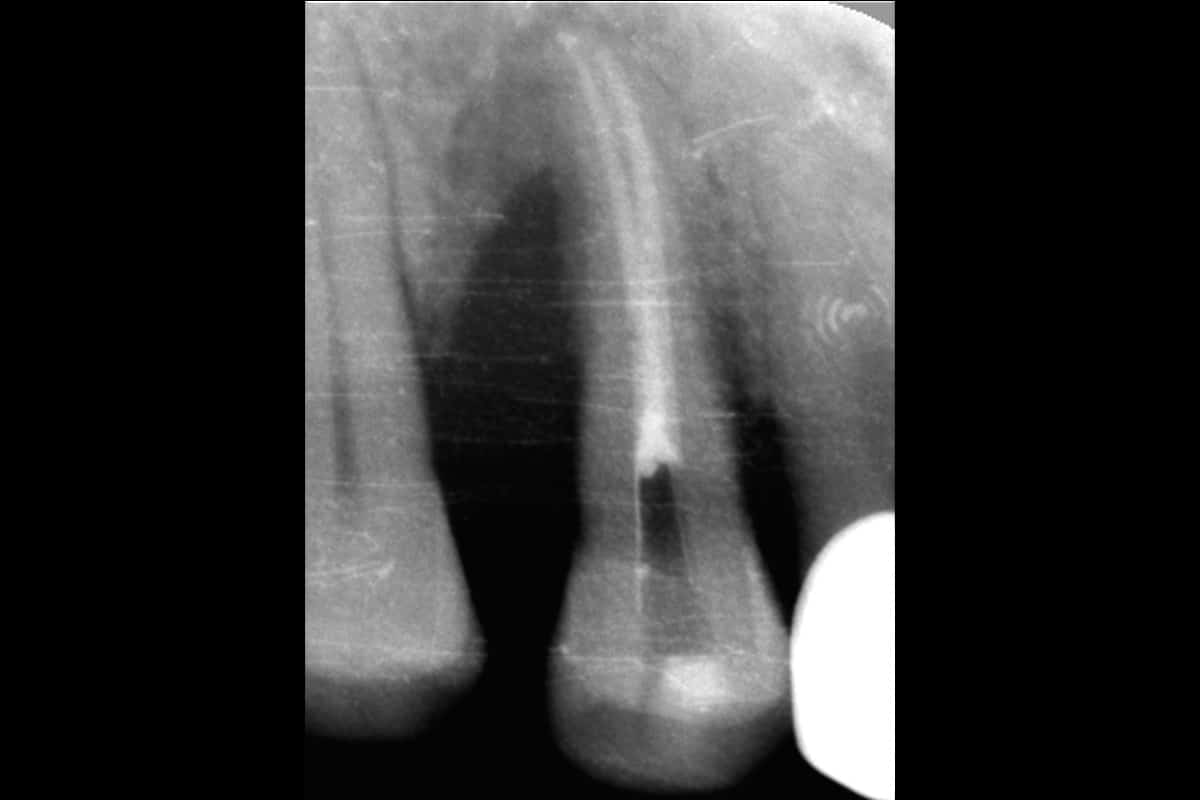
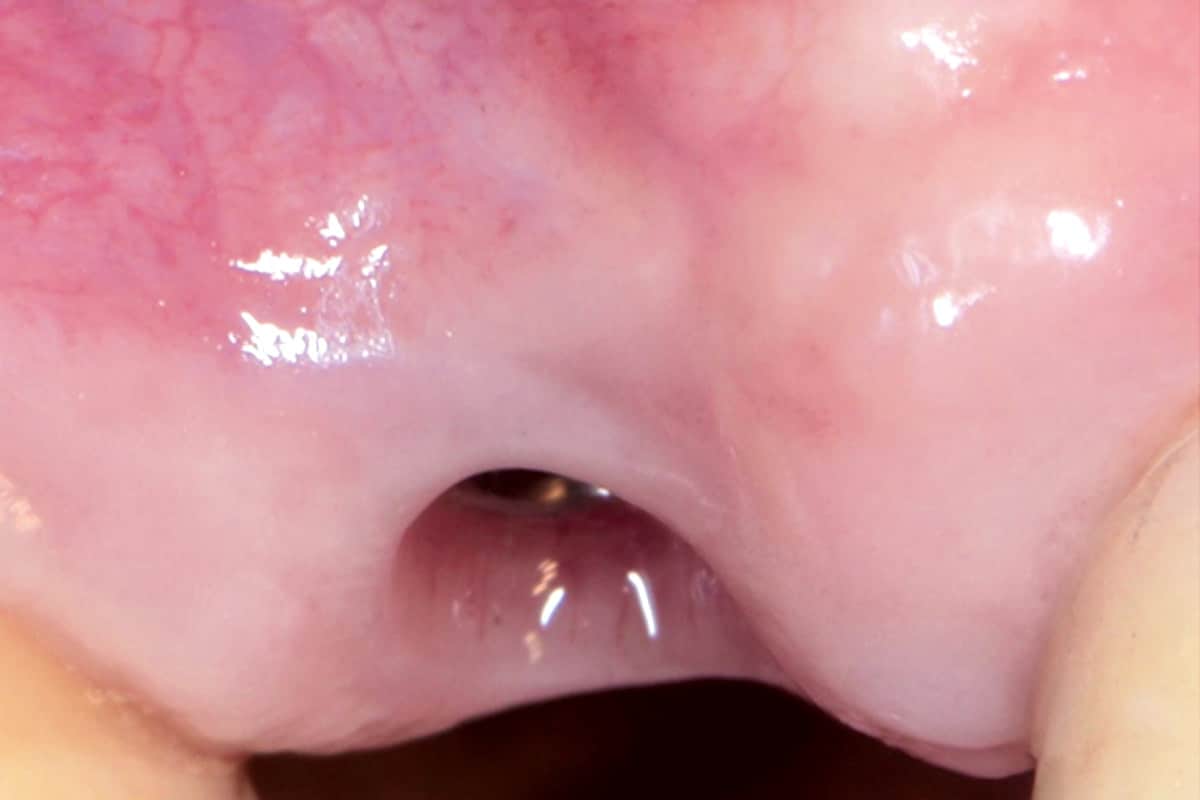
This case demonstrates the long-term impact of soft tissue management around implants placed in severely compromised periodontal situations. The initial tooth was considered hopeless from a periodontal point of view, presenting with advanced bone loss and collapse of the supporting hard and soft tissues.
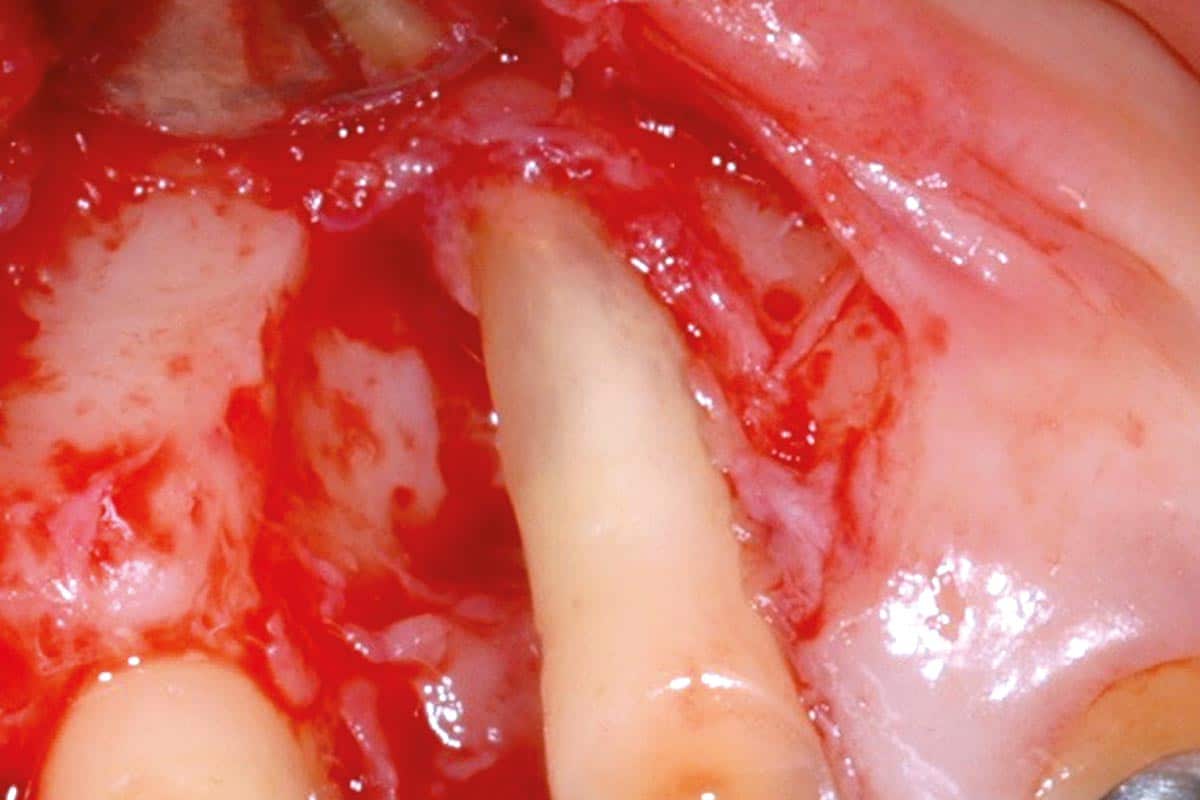
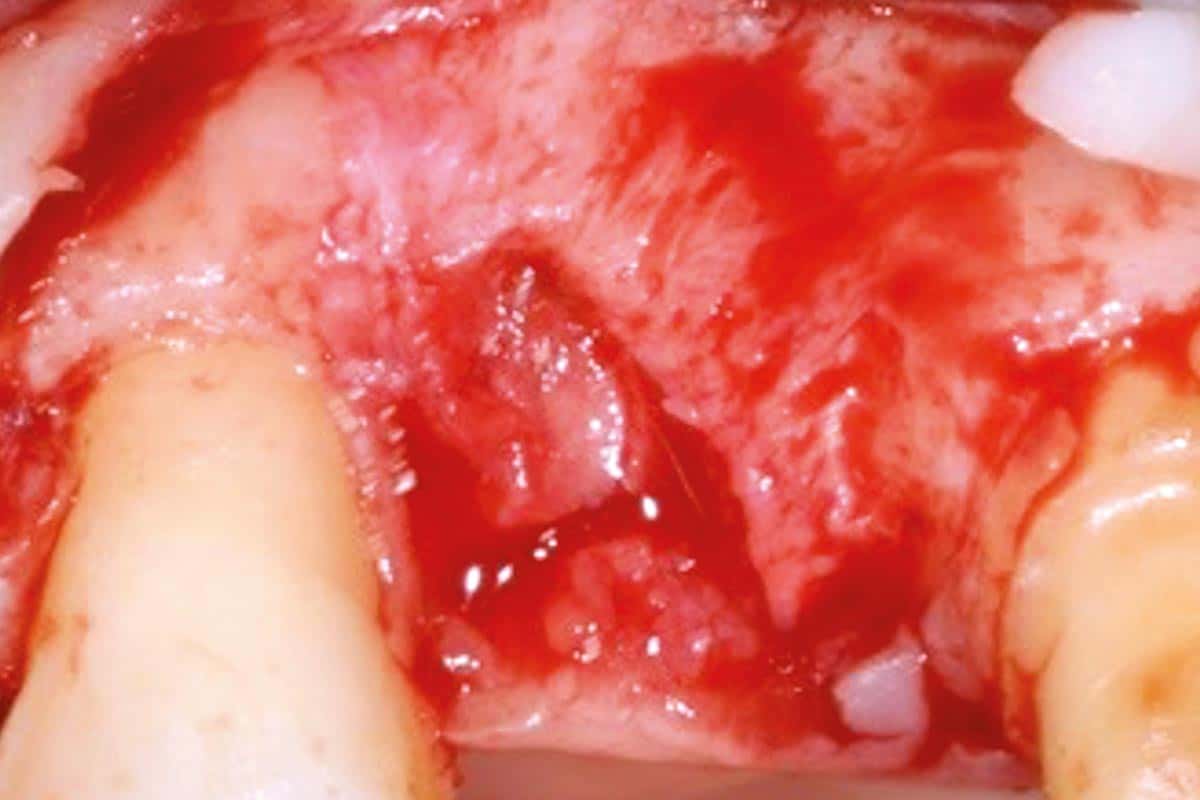
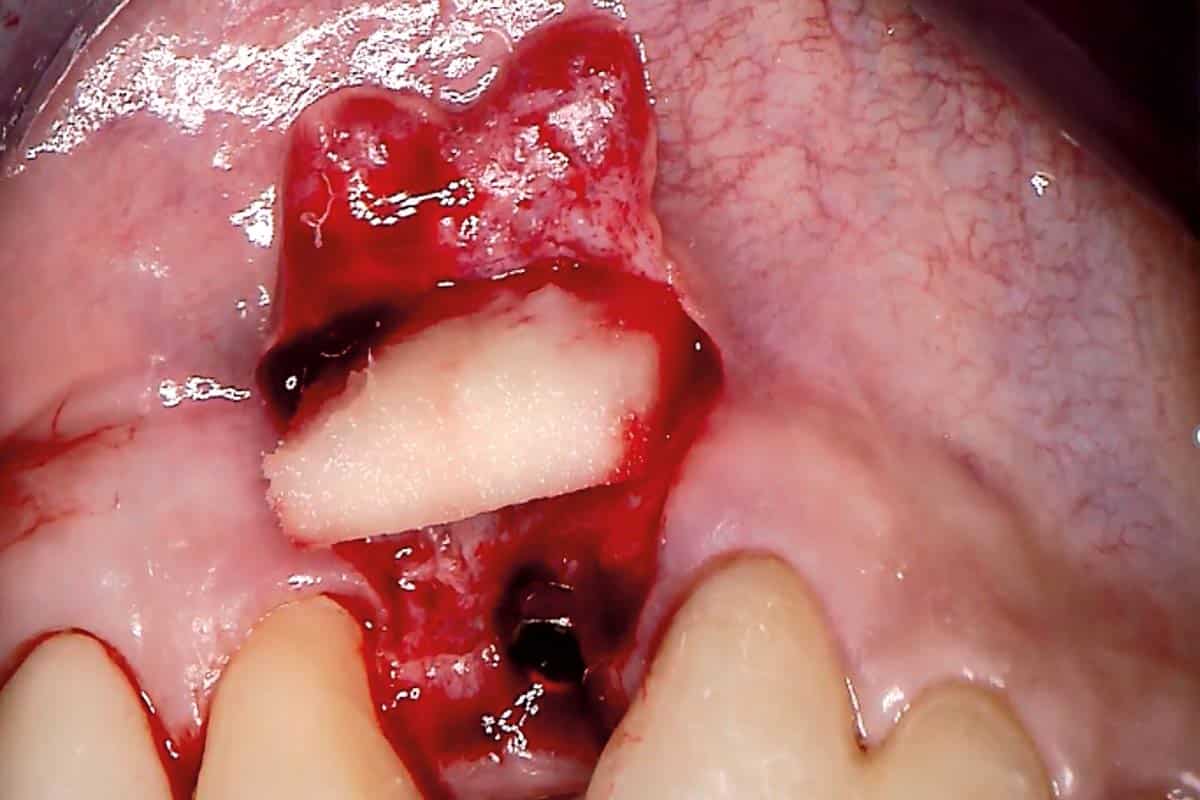
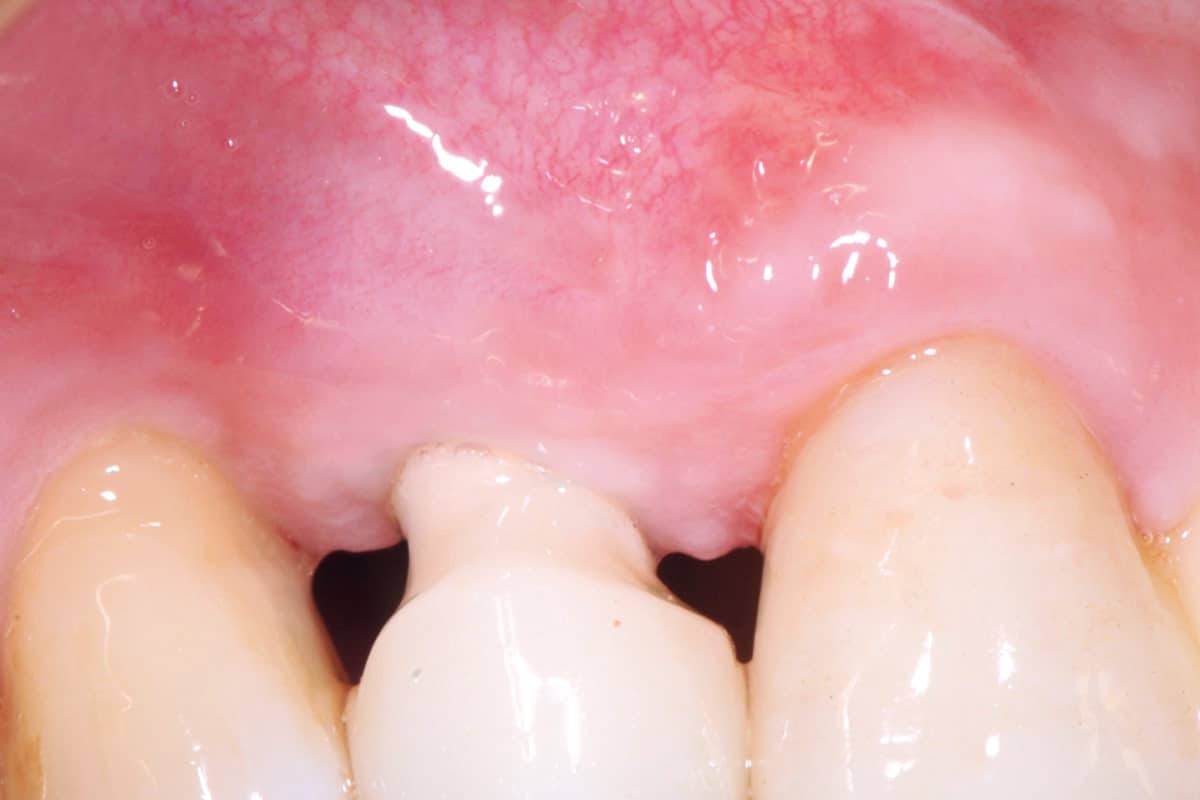
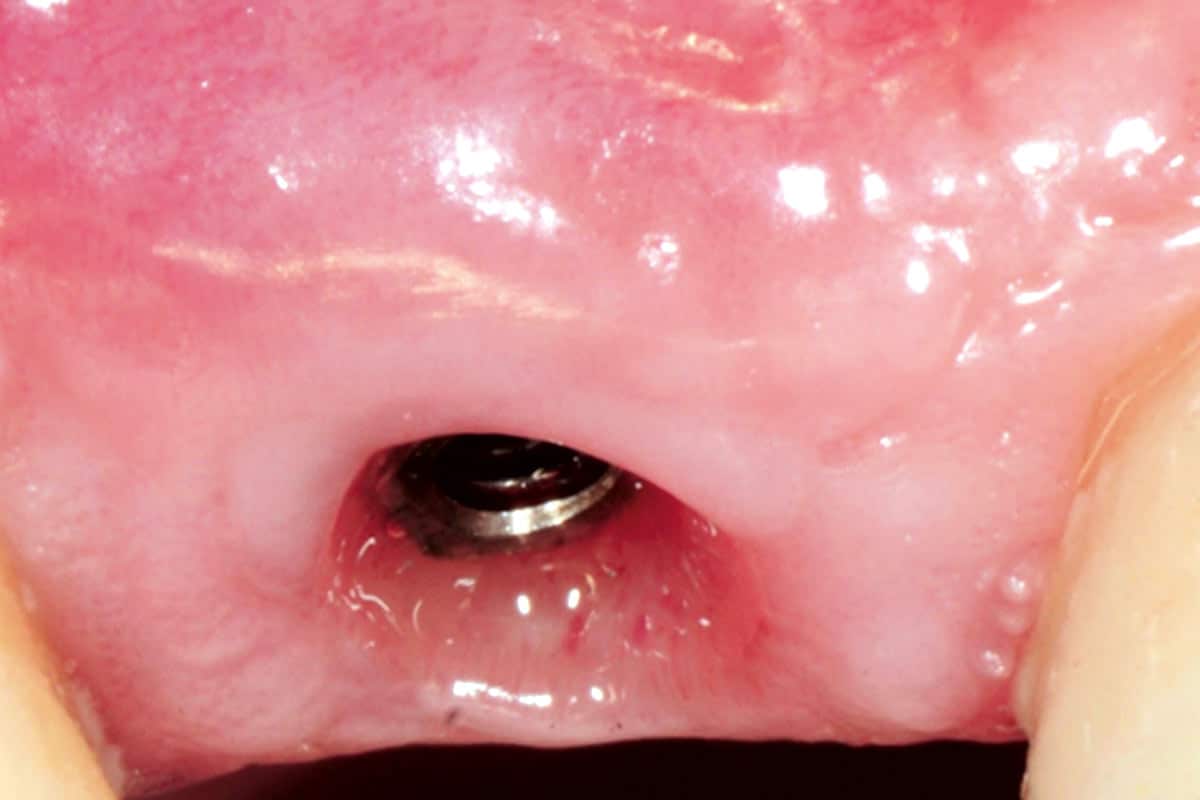
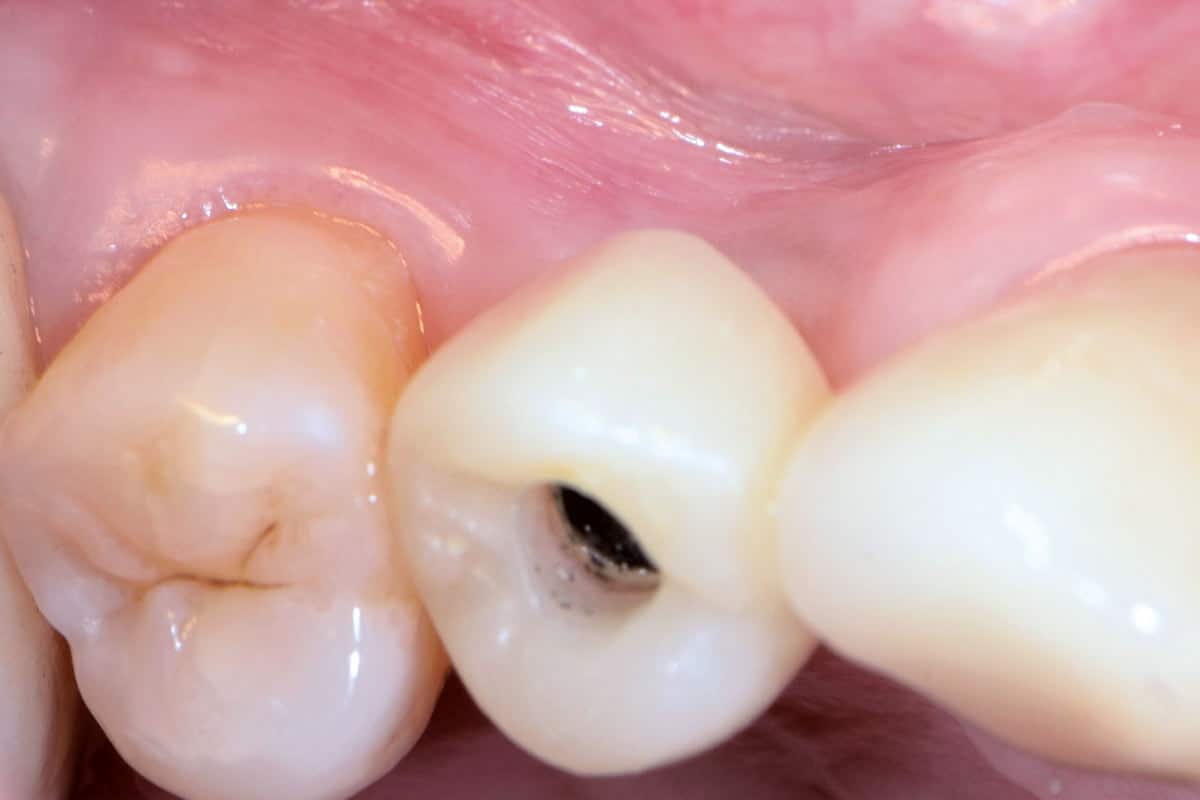
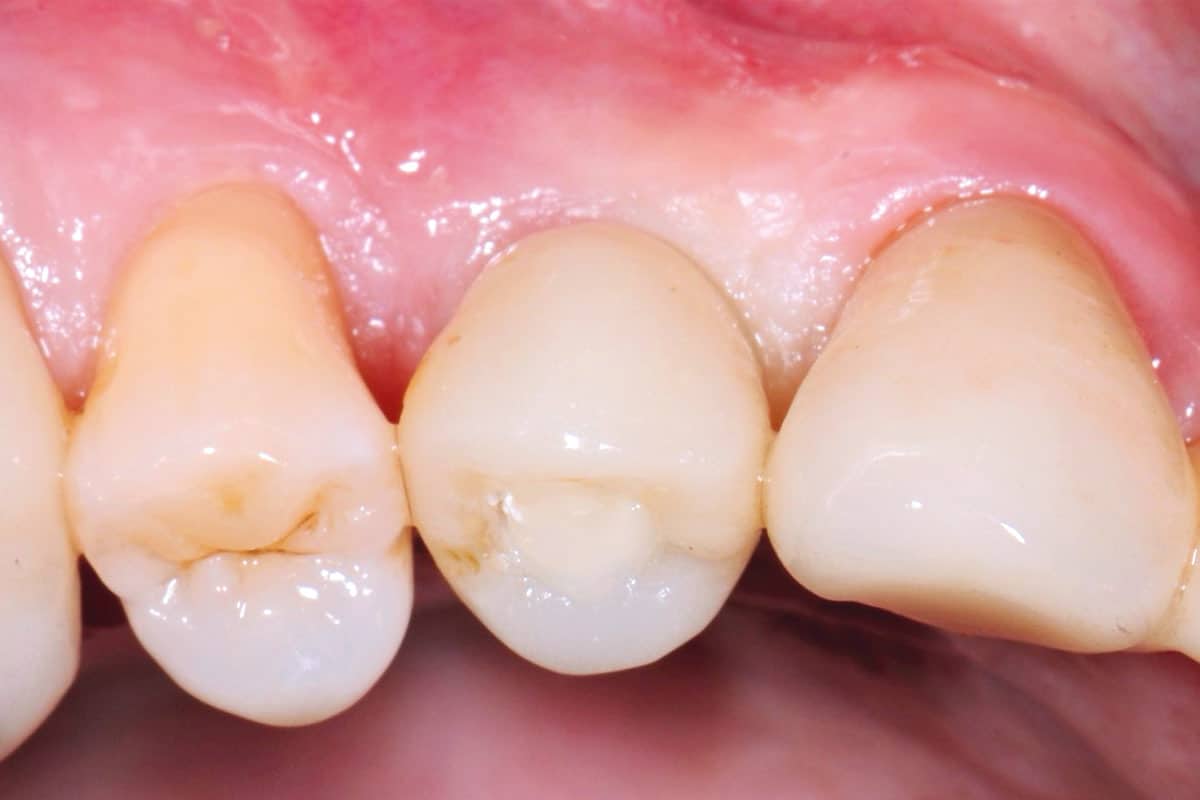
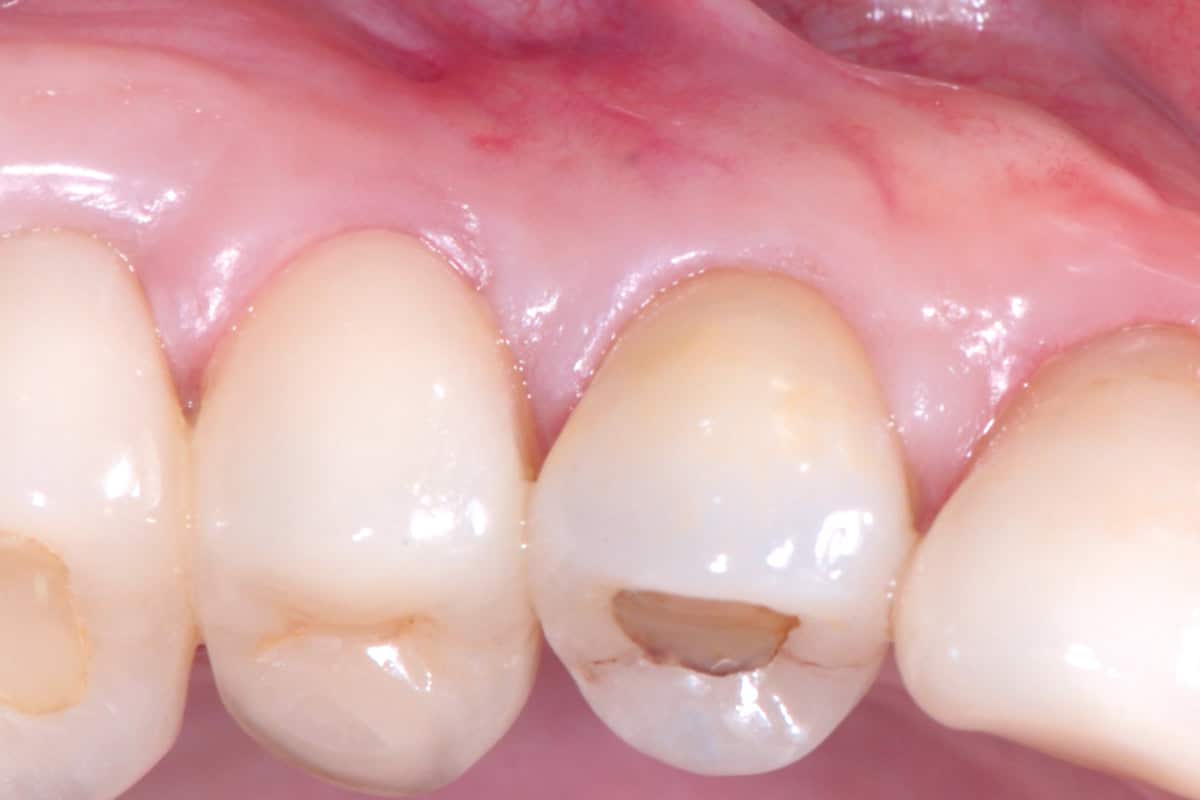
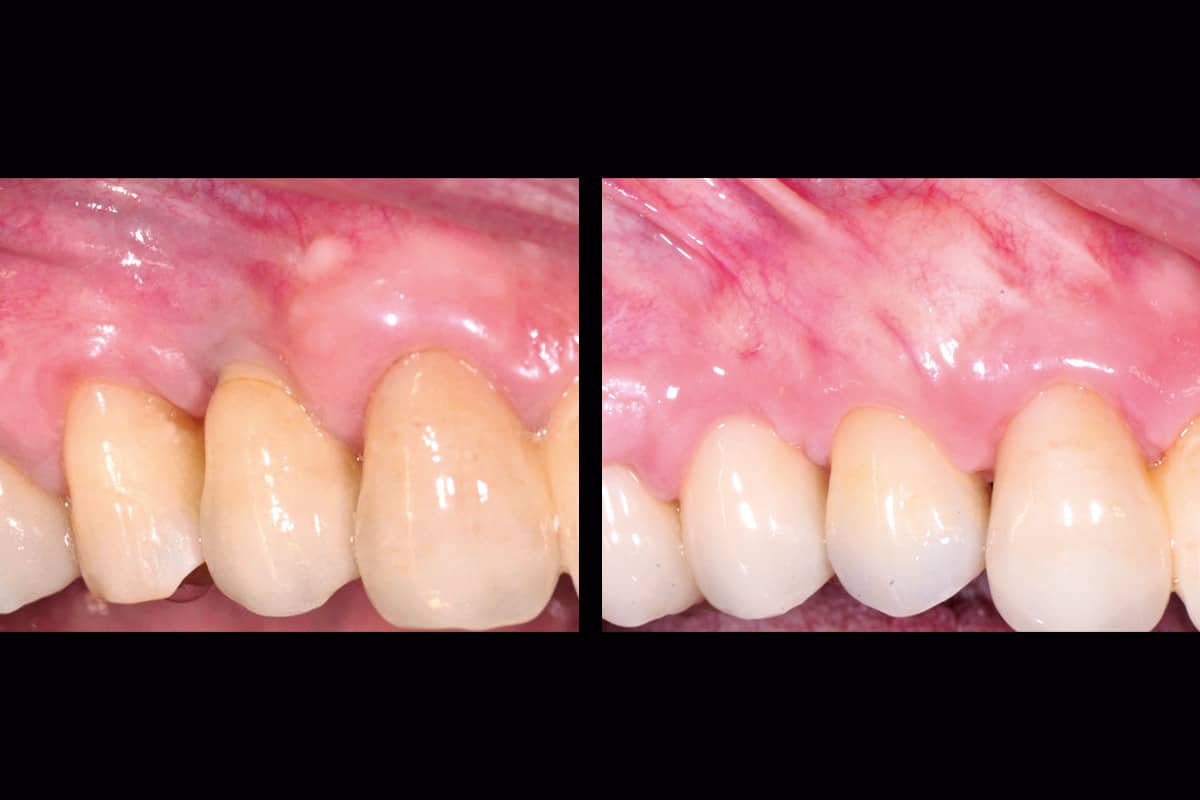
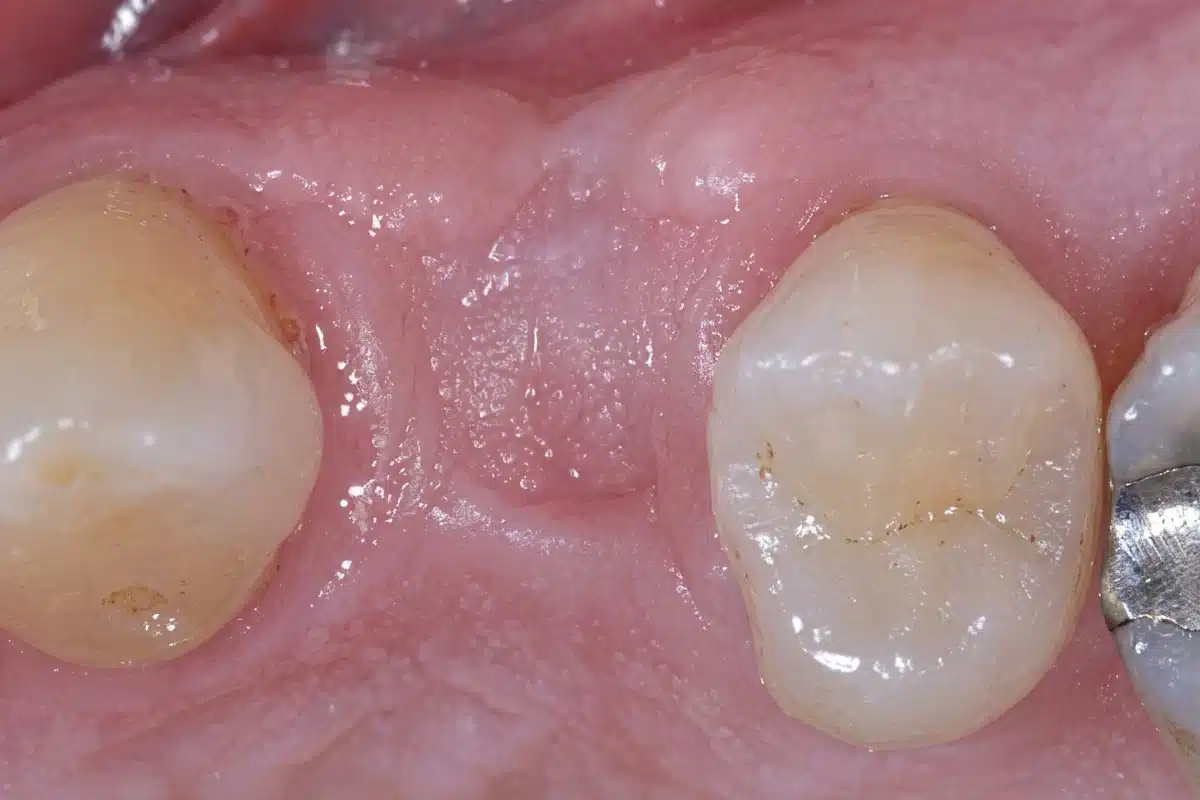
Following extraction and implant placement, no simultaneous soft tissue augmentation was performed. Over time, this resulted in a pronounced buccal concavity and a complete loss of the emergence profile of the implant-supported restoration. The peri-implant tissues presented with an extremely thin phenotype and weak papillary support, creating a high risk for progressive soft tissue shrinkage over time. To improve the biological conditions, the existing crown was removed and the tissues were allowed to heal around the implant head prior to augmentation. Although slight spontaneous improvement was observed, the tissue thickness remained insufficient.
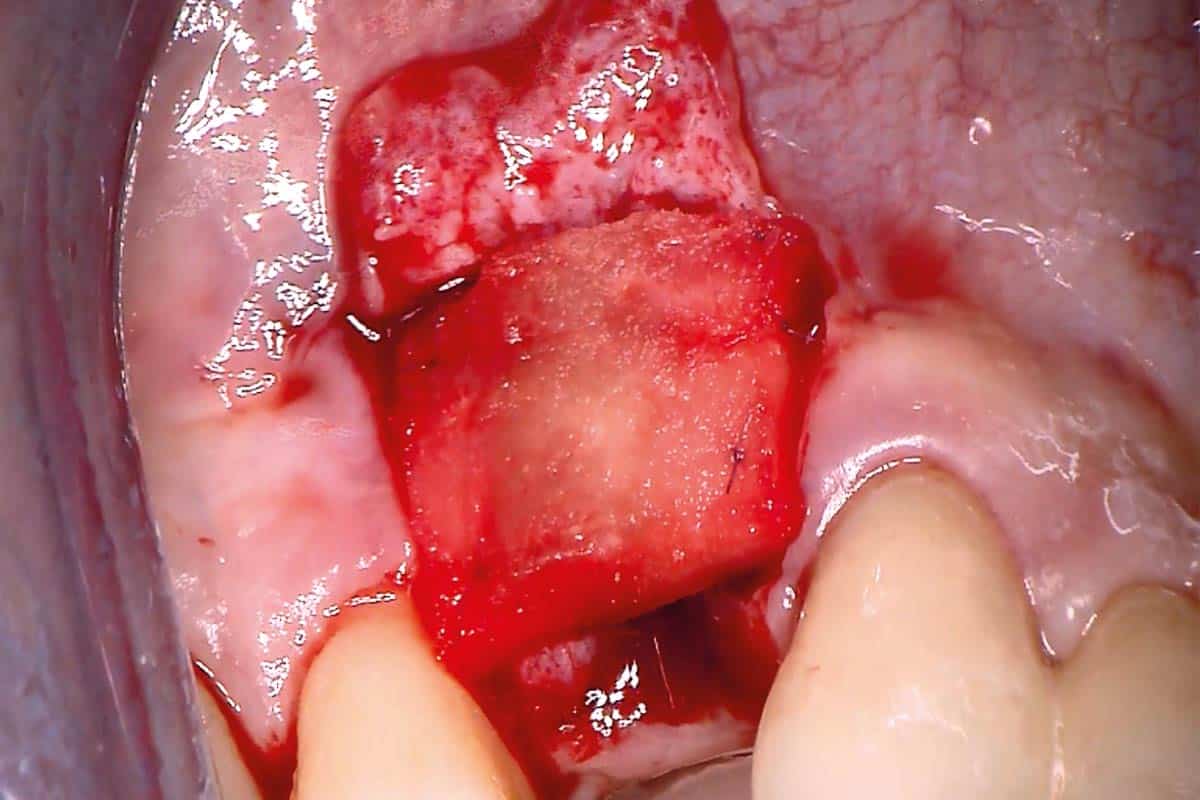
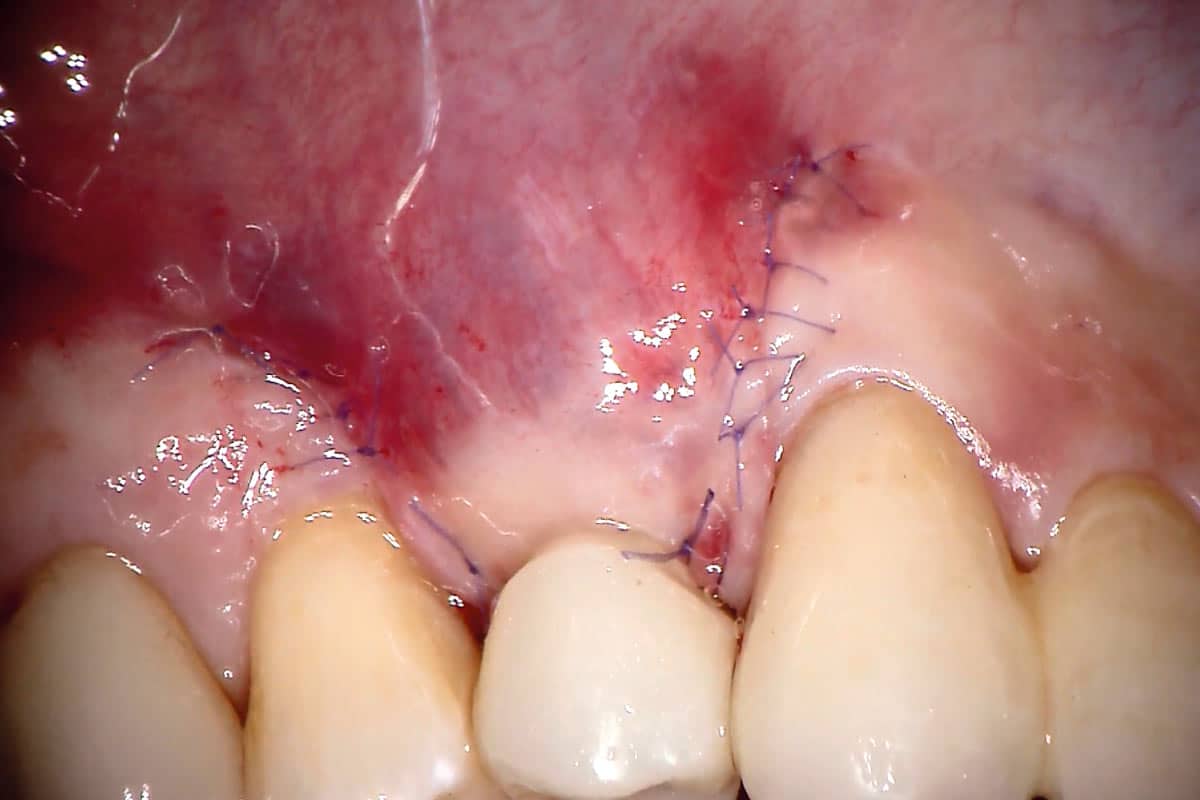
The objective of the second-stage procedure was therefore to increase the soft tissue thickness both on the buccal aspect and at the base of the papillae. A hydrated mucoderm® was carefully adapted, with slight thinning in the interproximal areas to facilitate suturing. The matrix was then positioned buccally and completely covered by the flap to support uneventful healing and proper integration.
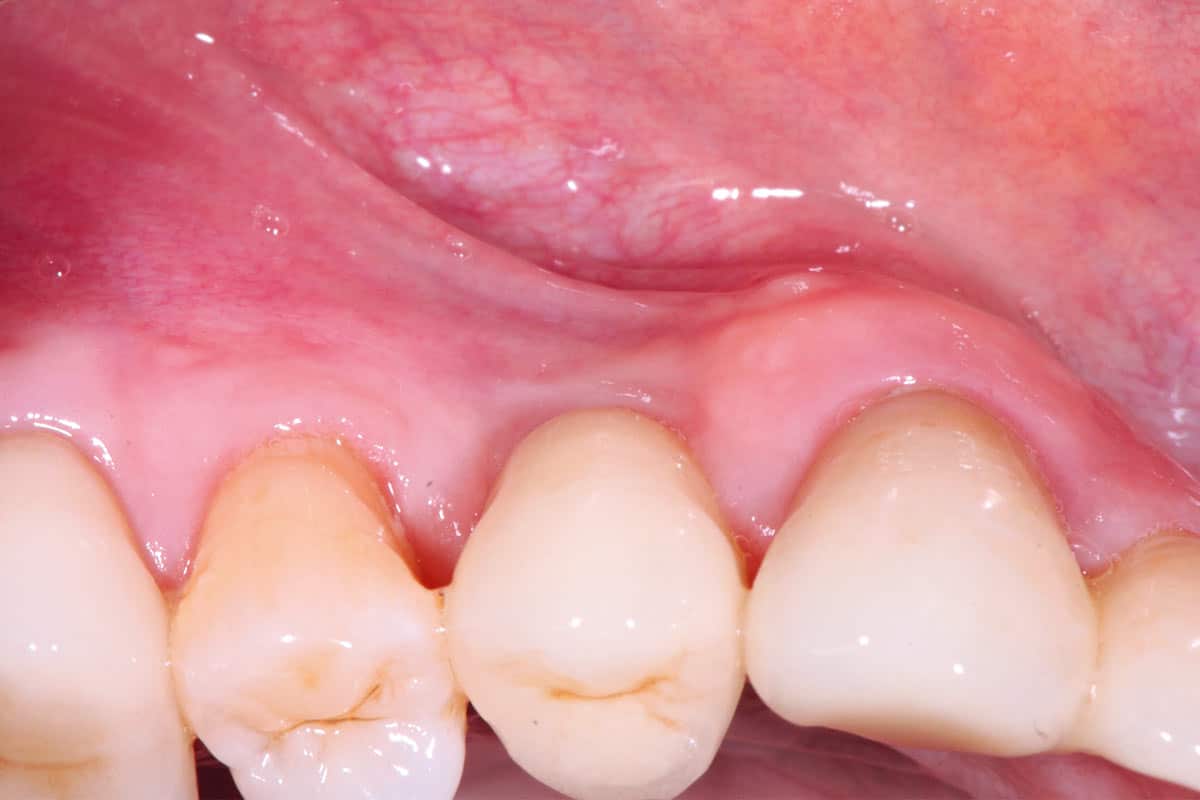
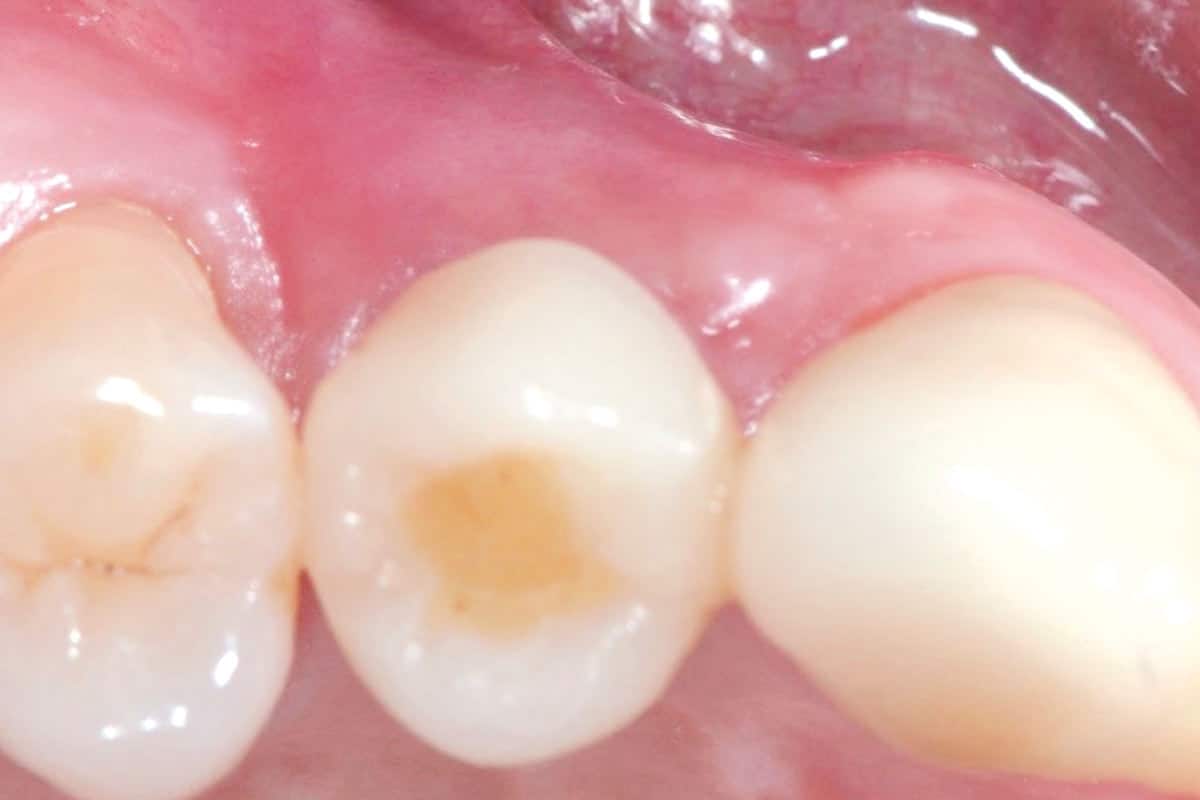
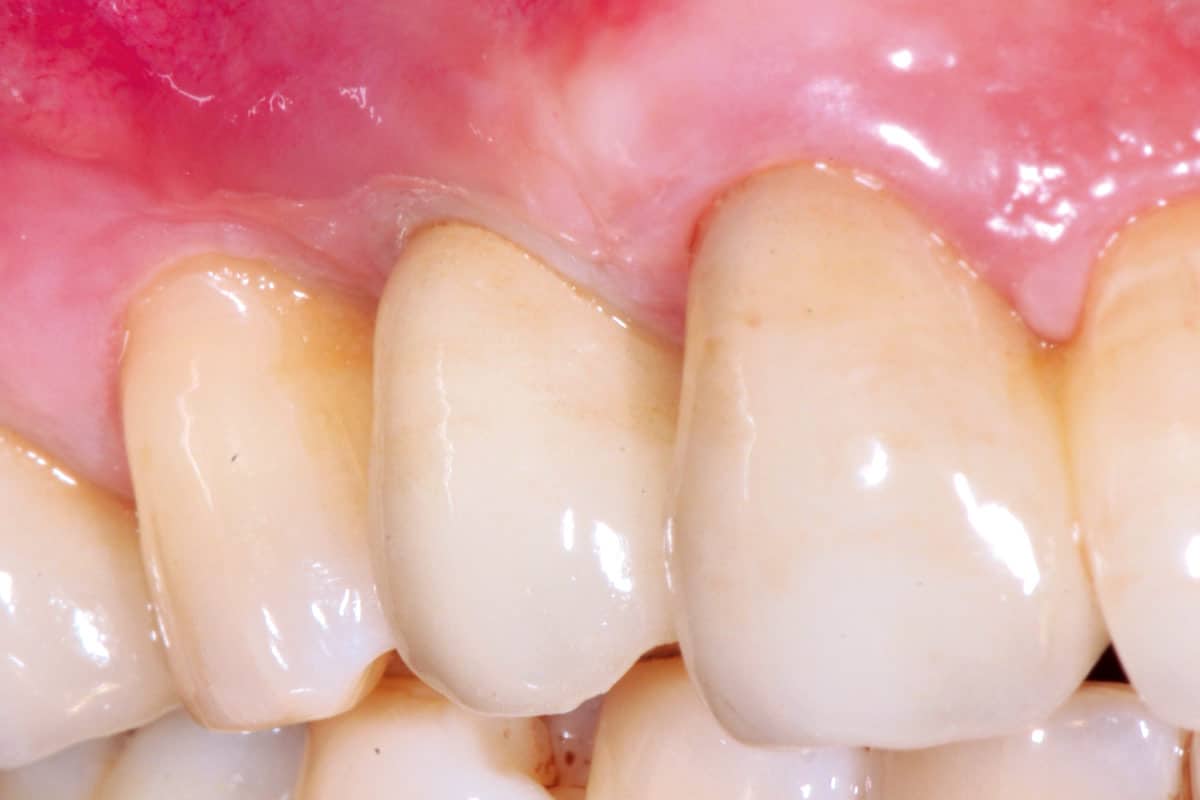
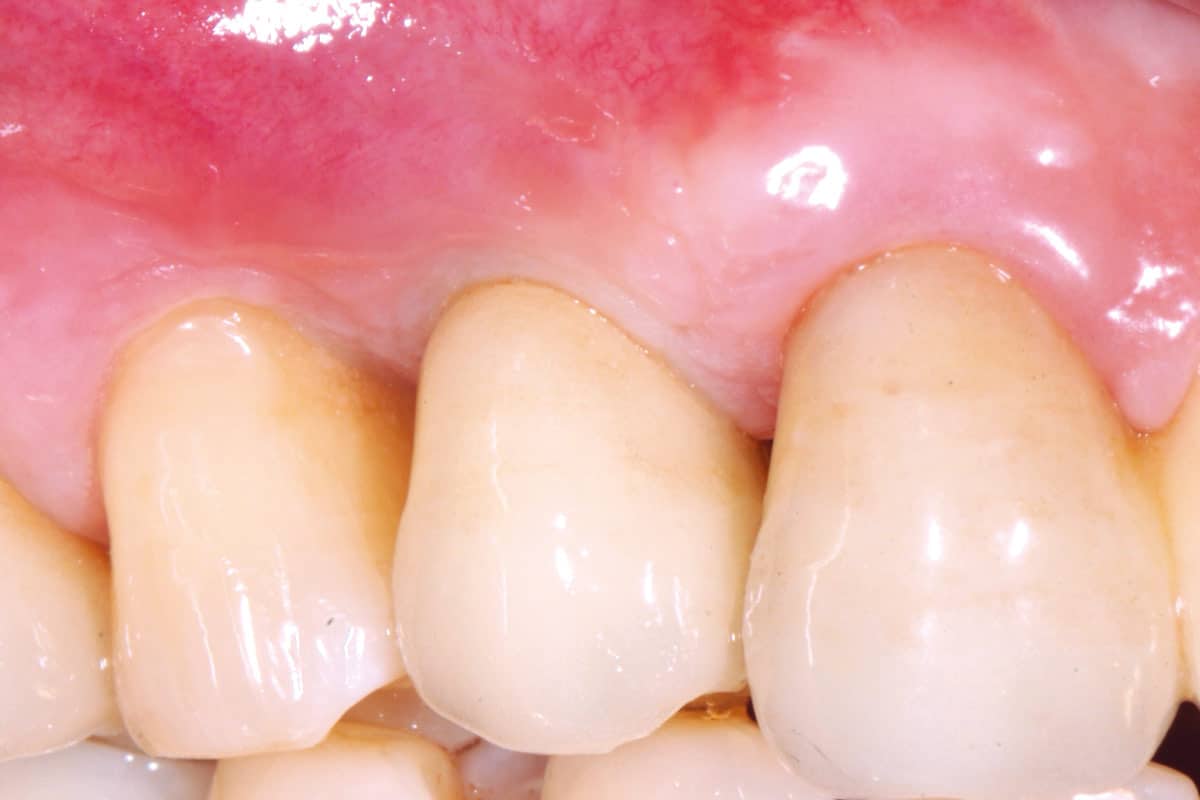
The tissue response after augmentation was remarkable from the very beginning. An immediate transformation of the emergence profile could already be appreciated directly after healing, with a clear increase in tissue volume and contour. The augmented tissues showed excellent integration without any signs of tissue suffering, scar formation, or color mismatch, resulting in a highly natural appearance.
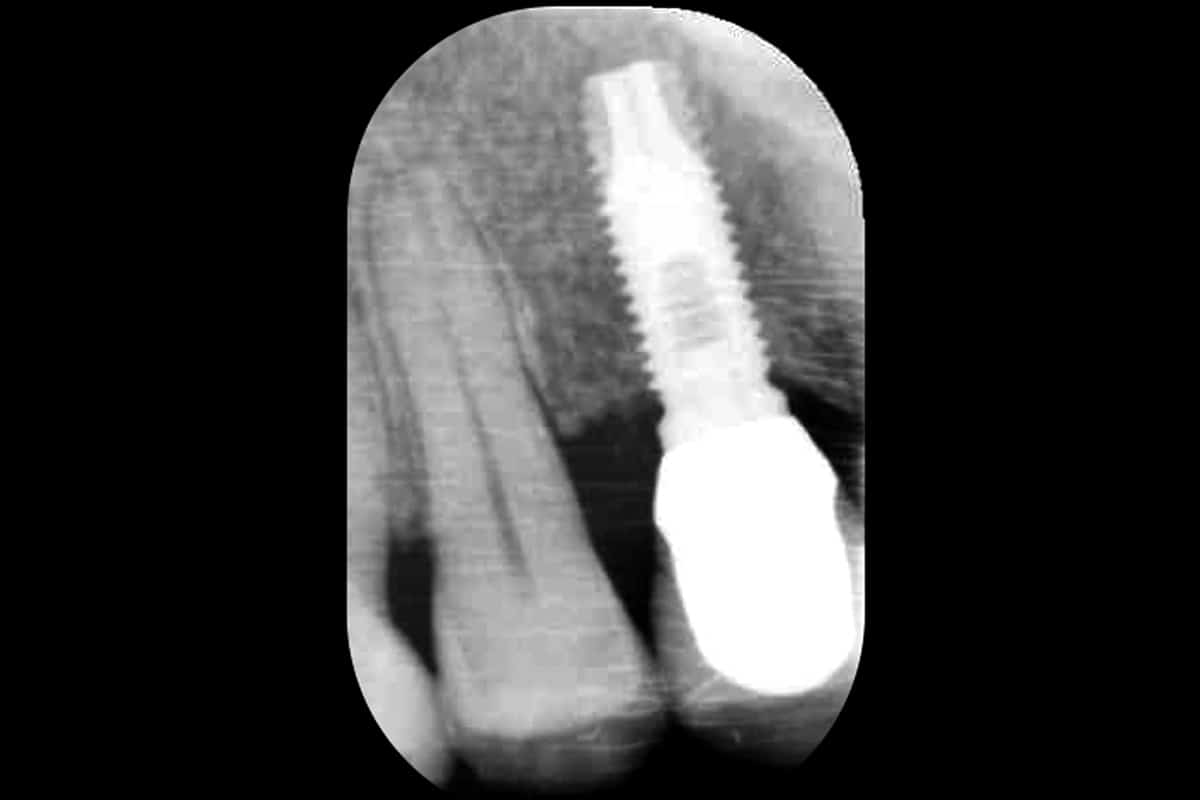
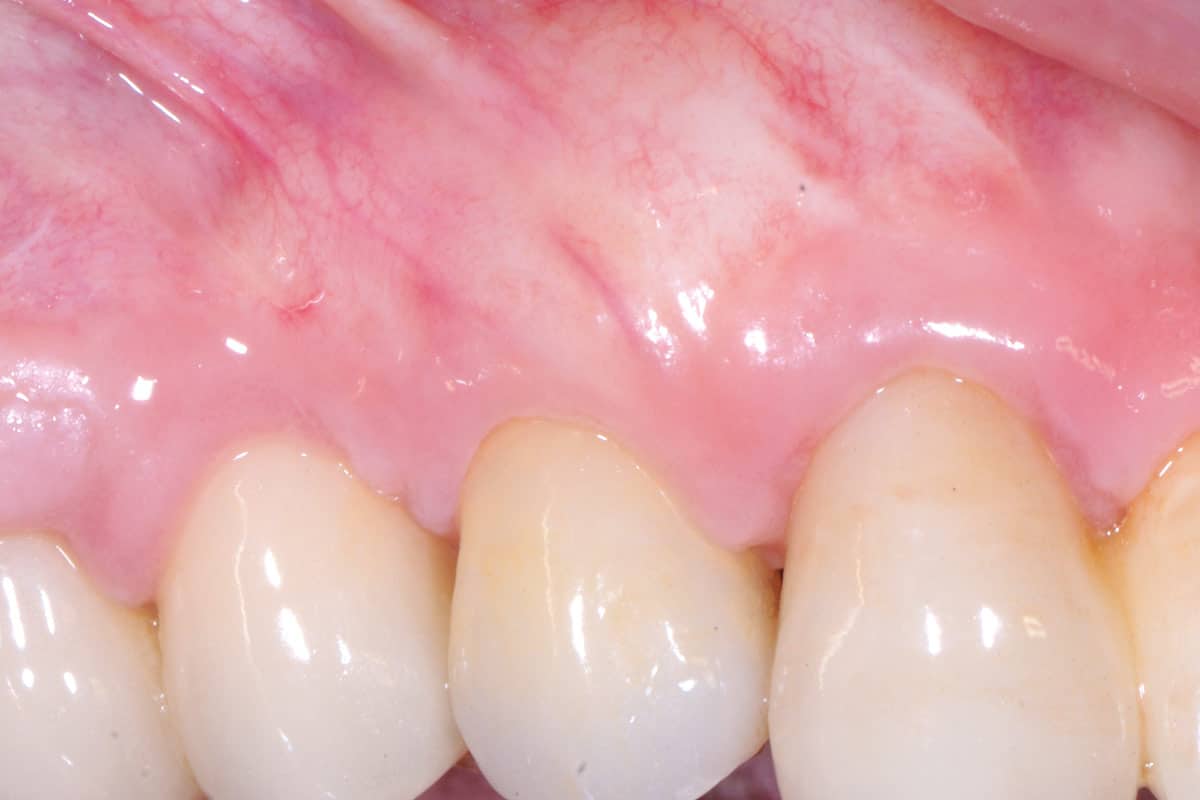
Nine months later, the final restoration was delivered under significantly improved soft tissue conditions, allowing the creation of a harmonious and stable emergence profile.Clinical controls after 2 years and again after 5 years demonstrated exceptional tissue stability with preservation of the augmented volume and healthy peri-implant architecture. At the 10-year follow-up, the tissues continue to exhibit outstanding stability and integration. The peri-implant soft tissue thickness remains increased while maintaining a natural contour without volumetric overgrowth or collapse. No scar tissue is visible, the tissue blending remains highly aesthetic, and the papillary architecture has been preserved over an entire decade.
This case highlights how proper peri-implant soft tissue augmentation can fundamentally change the long-term prognosis of implant restorations in compromised situations, transforming a severely collapsed peri-implant phenotype into a stable and natural result maintained over 10 years.
AUCH INTERESSANT
- 29 Oct – 30 Oct 2027 | Ho Chi Minh City


- RECORDED-WEBINAR




 Minimal invasiveness, maximum results: peri-implant soft-tissue management with mucoderm®