
CLINICAL CASE
Dr. Georgios Emmanouilidis
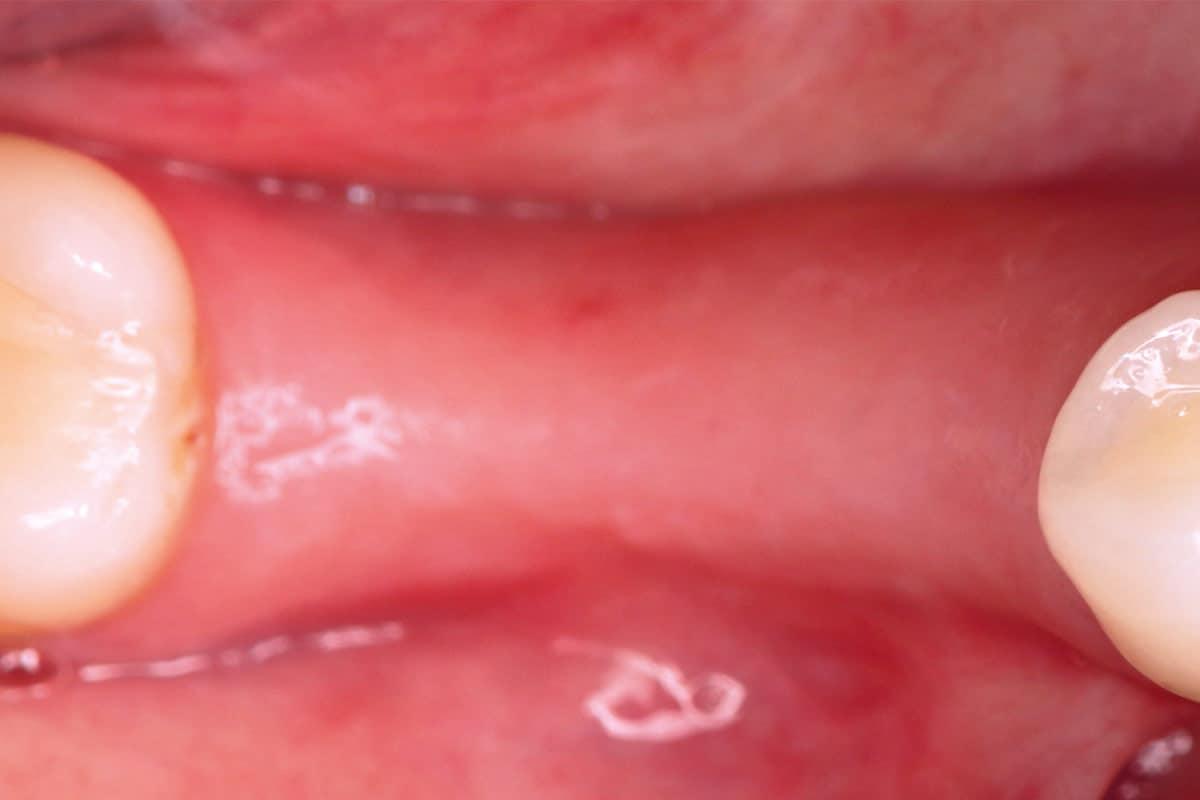
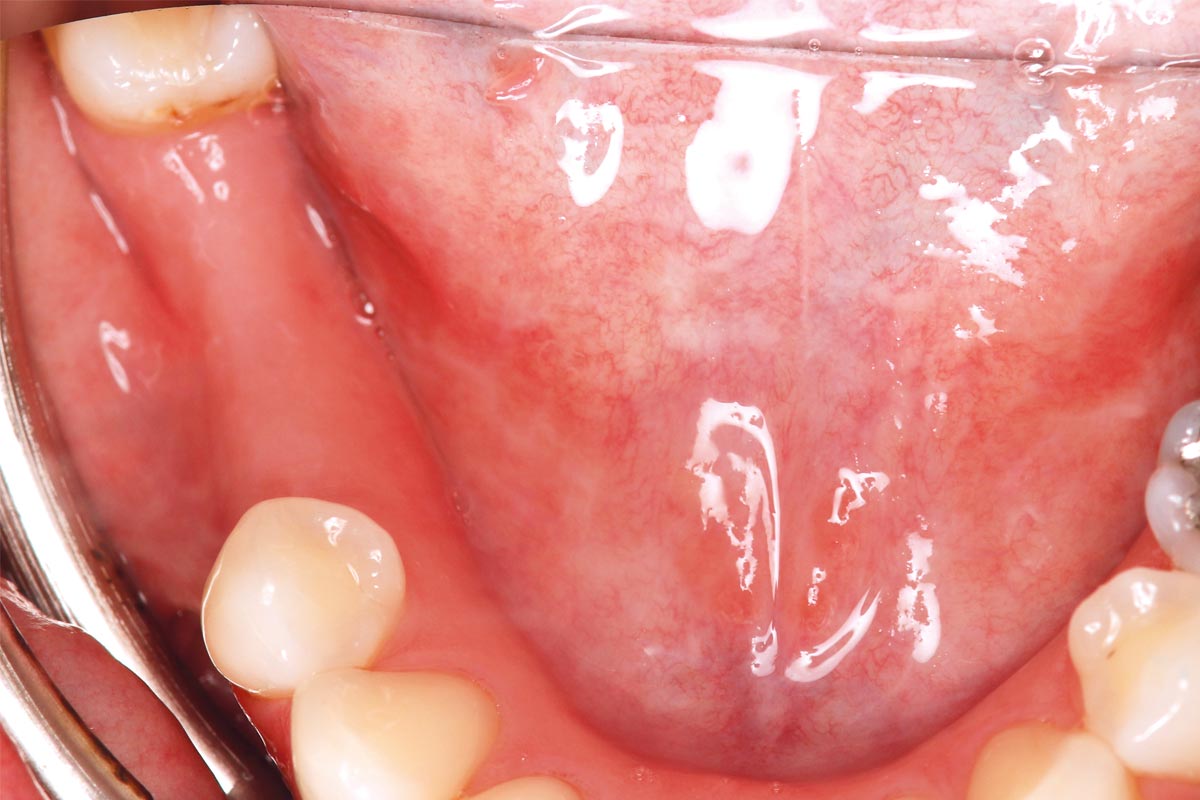
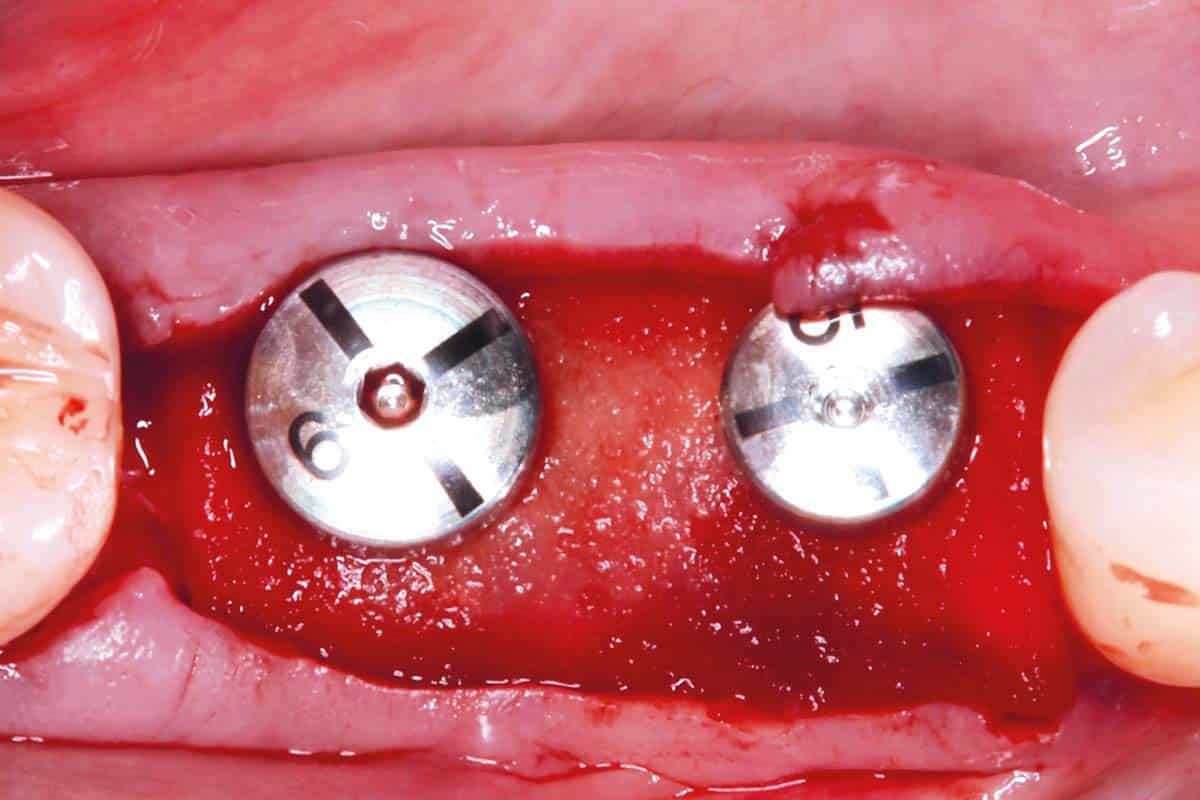
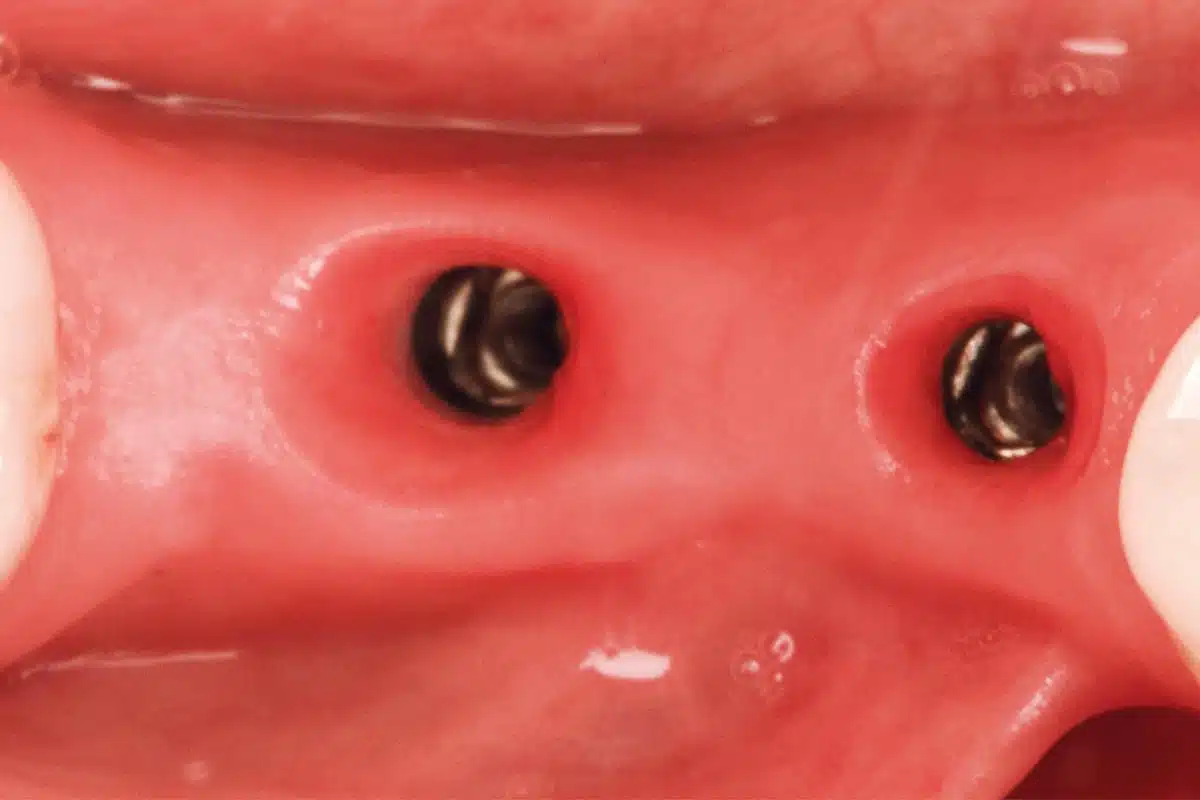
In this clinical case, a patient presented with an edentulous posterior mandible in the region of teeth 45 and 46, characterized by reduced soft tissue volume, a flattened ridge contour, and a thin mucosal phenotype.
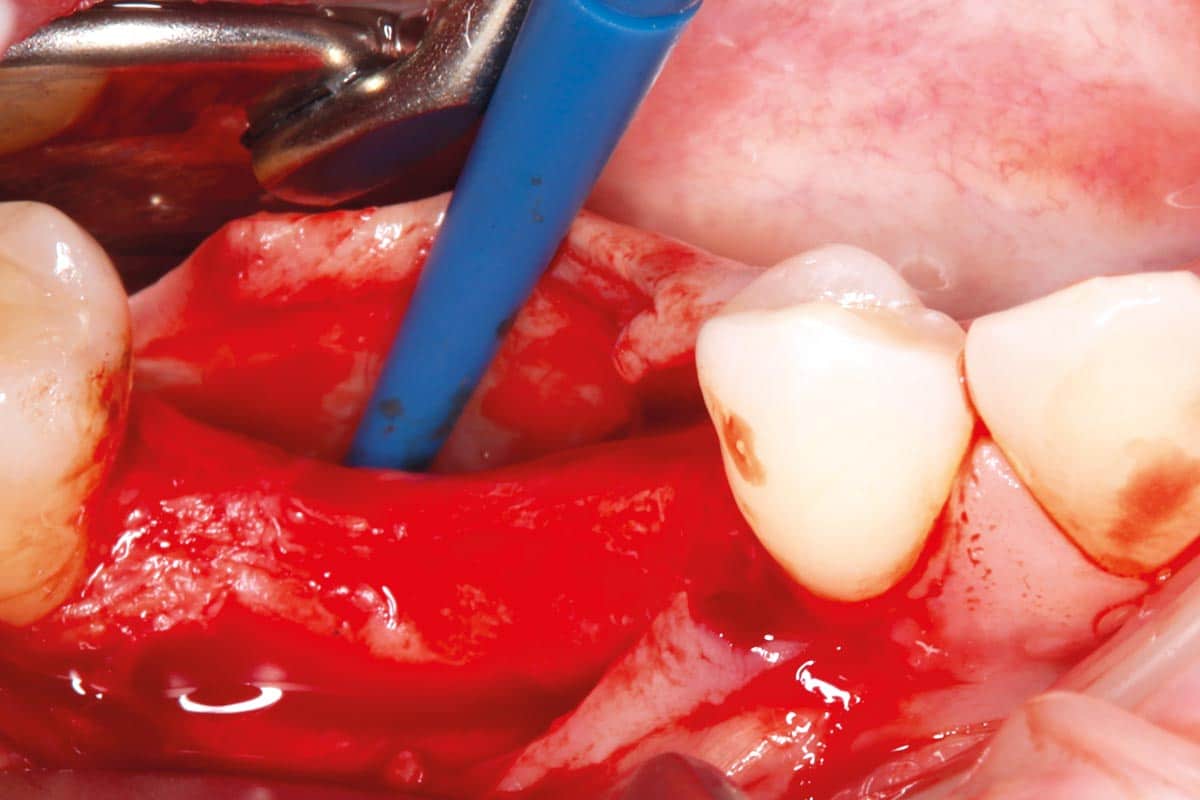
Following flap elevation, sufficient vital bone was identified, allowing implant placement without the need for hard tissue grafting. Nevertheless, reduced soft tissue thickness was noted, substantiating the indication for soft tissue augmentation.
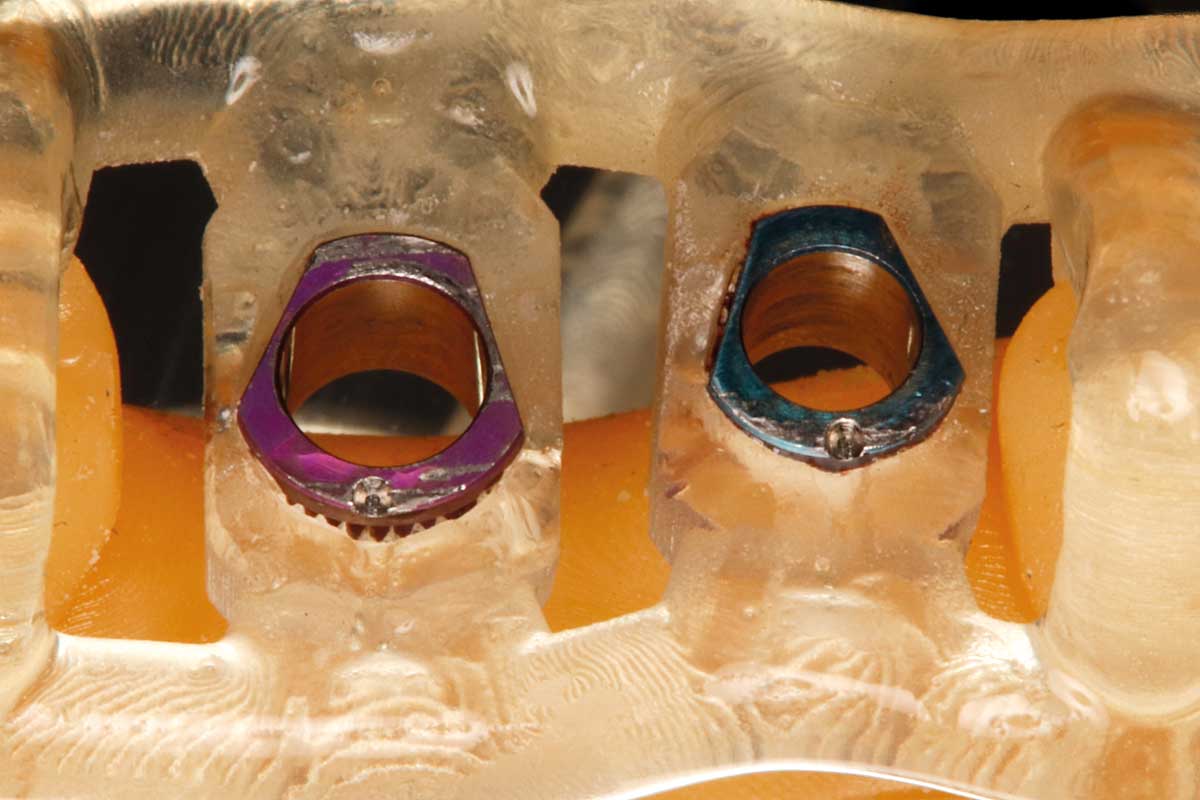
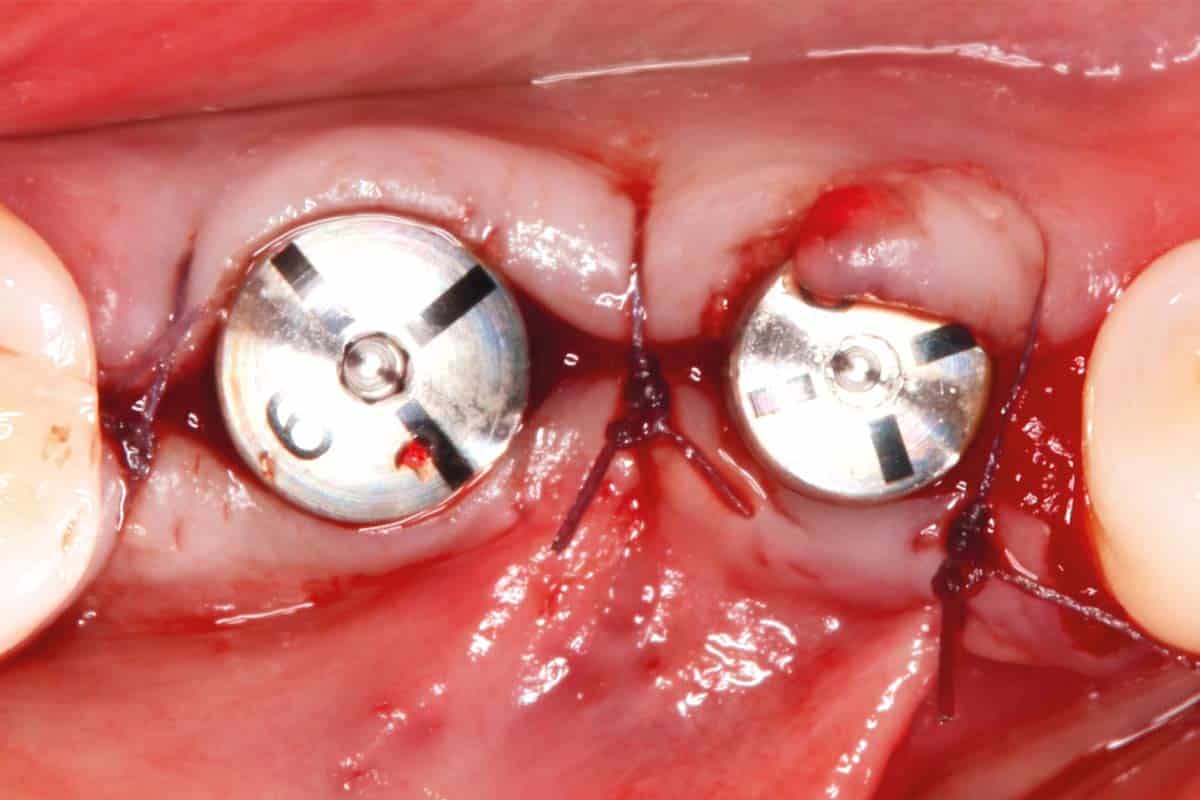
Implant placement was performed using a digitally guided, prosthetically driven approach. Due to the evident soft tissue deficiency, a native collagen matrix (mucoderm® ) was applied on the buccal aspect to increase tissue thickness, enhance contour, and support long-term peri-implant stability. Wound closure was achieved using absorbable sutures.
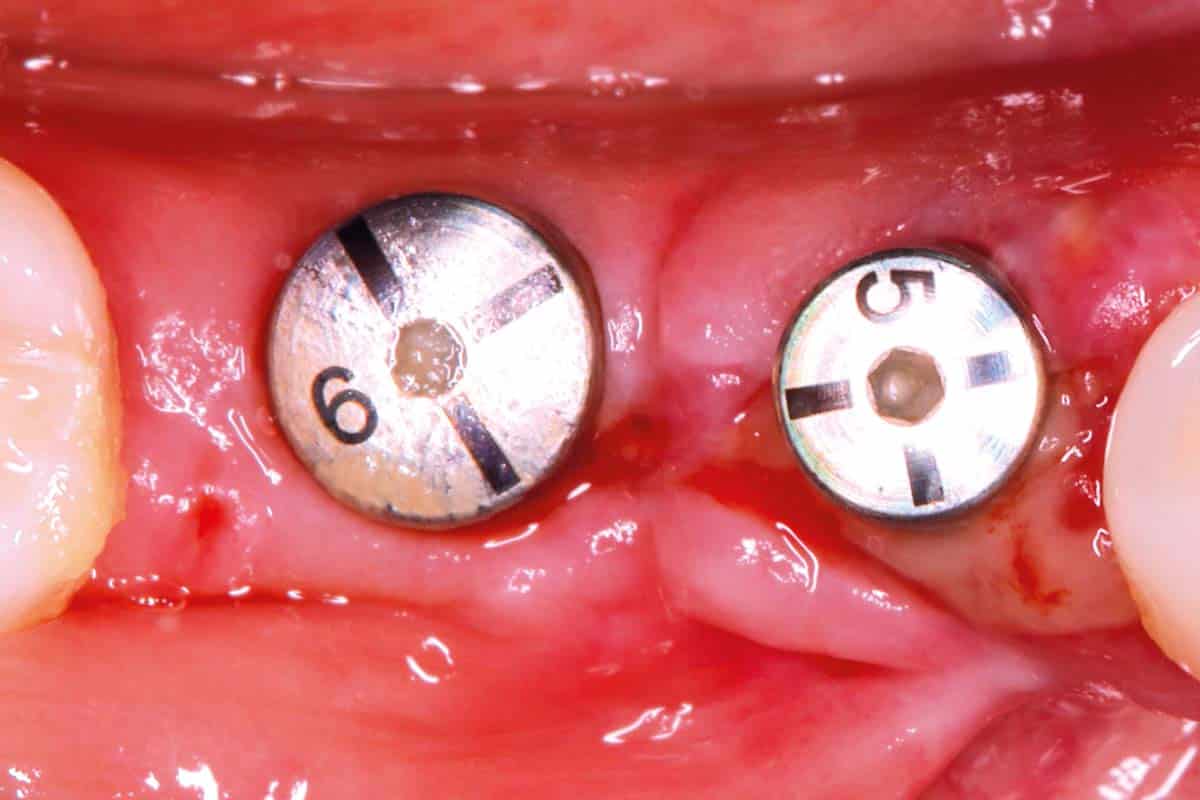
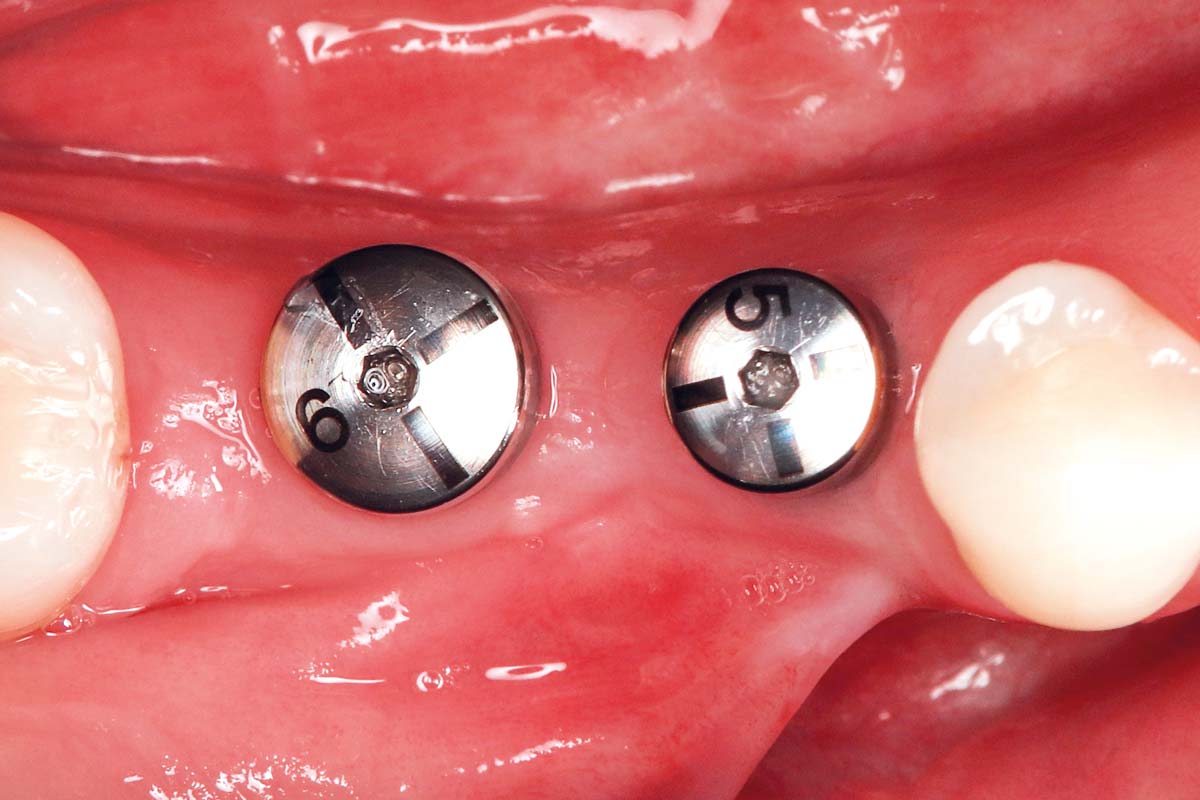
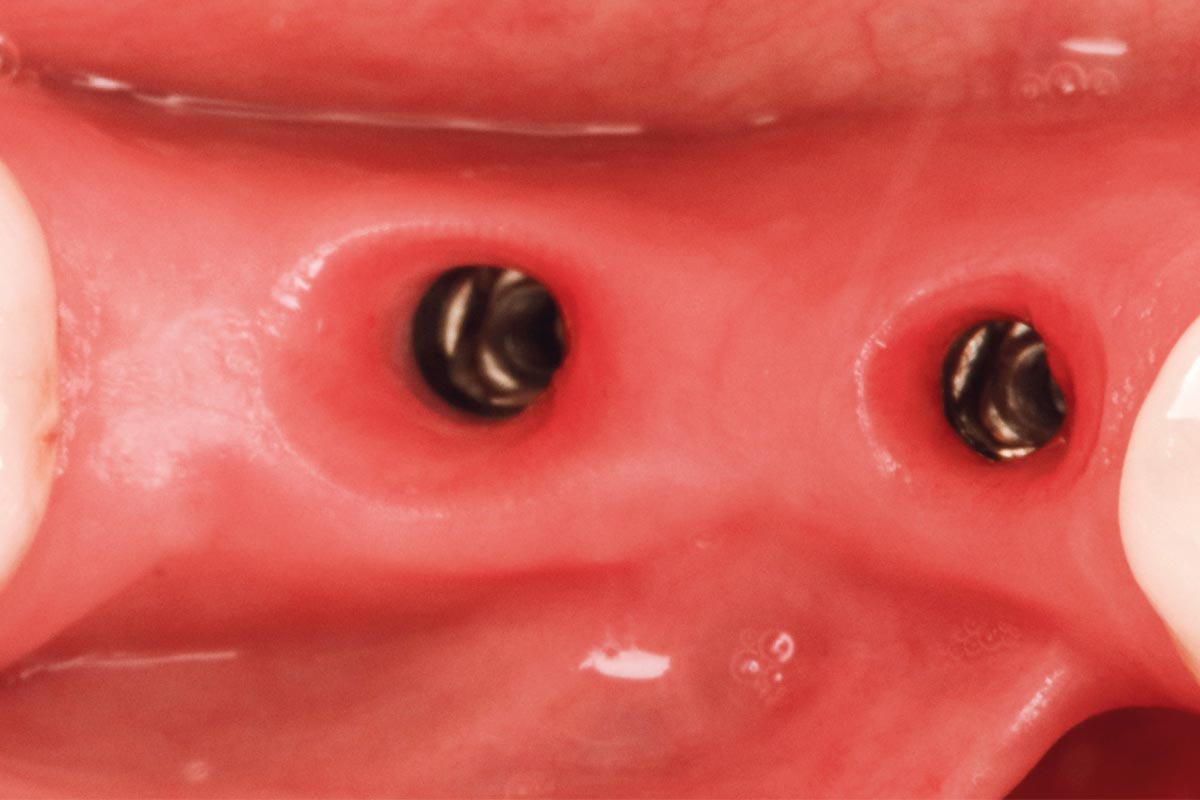
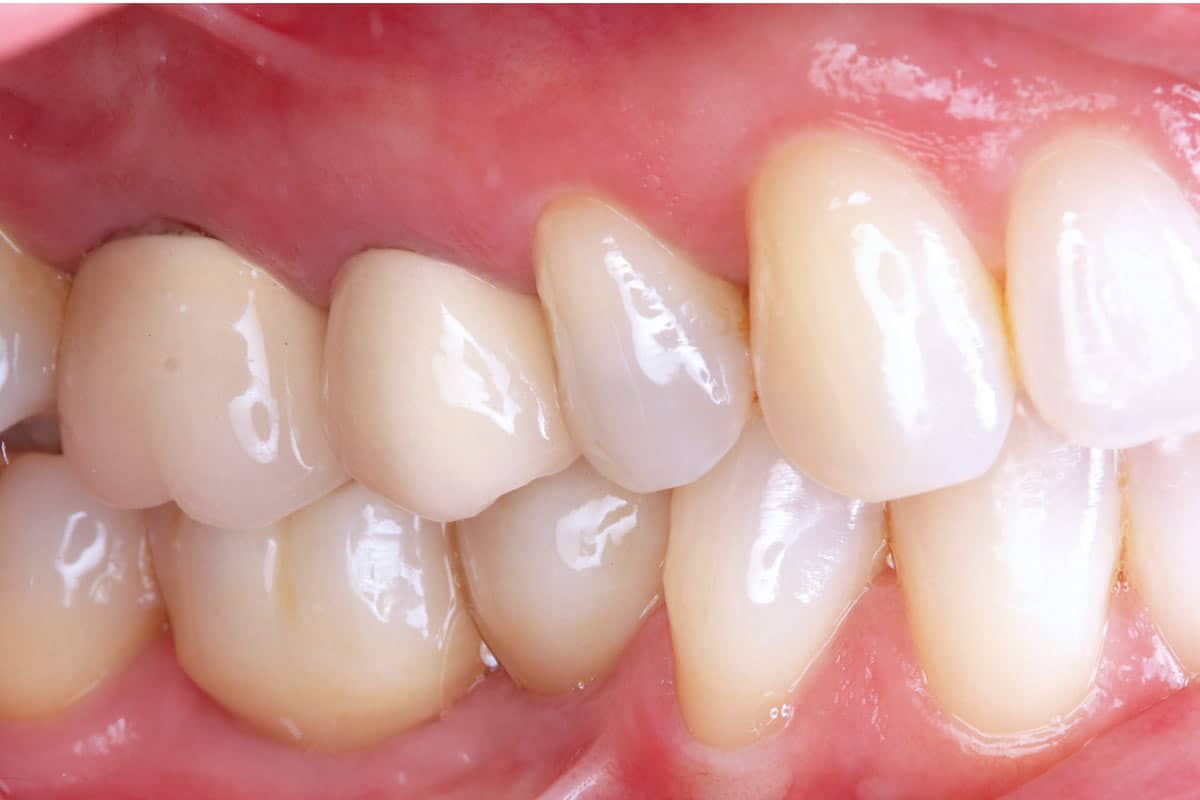
Healing progressed uneventfully. At 2 weeks, the surgical site demonstrated favorable healing with good soft tissue adaptation and no signs of complications. After 4 months, a noticeable increase in soft tissue thickness and improved buccal contour were observed. The augmented area exhibited enhanced volume stability, improved soft tissue architecture, and more favorable conditions for the development of an adequate emergence profile.
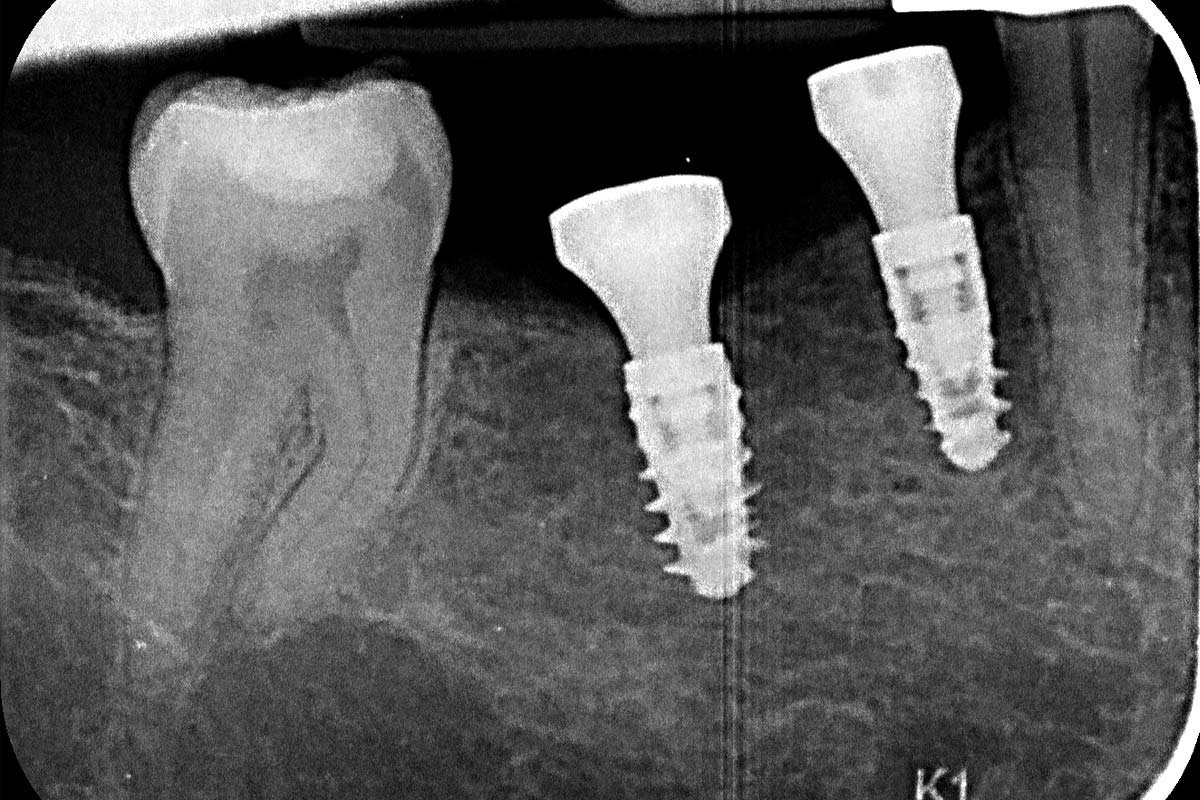
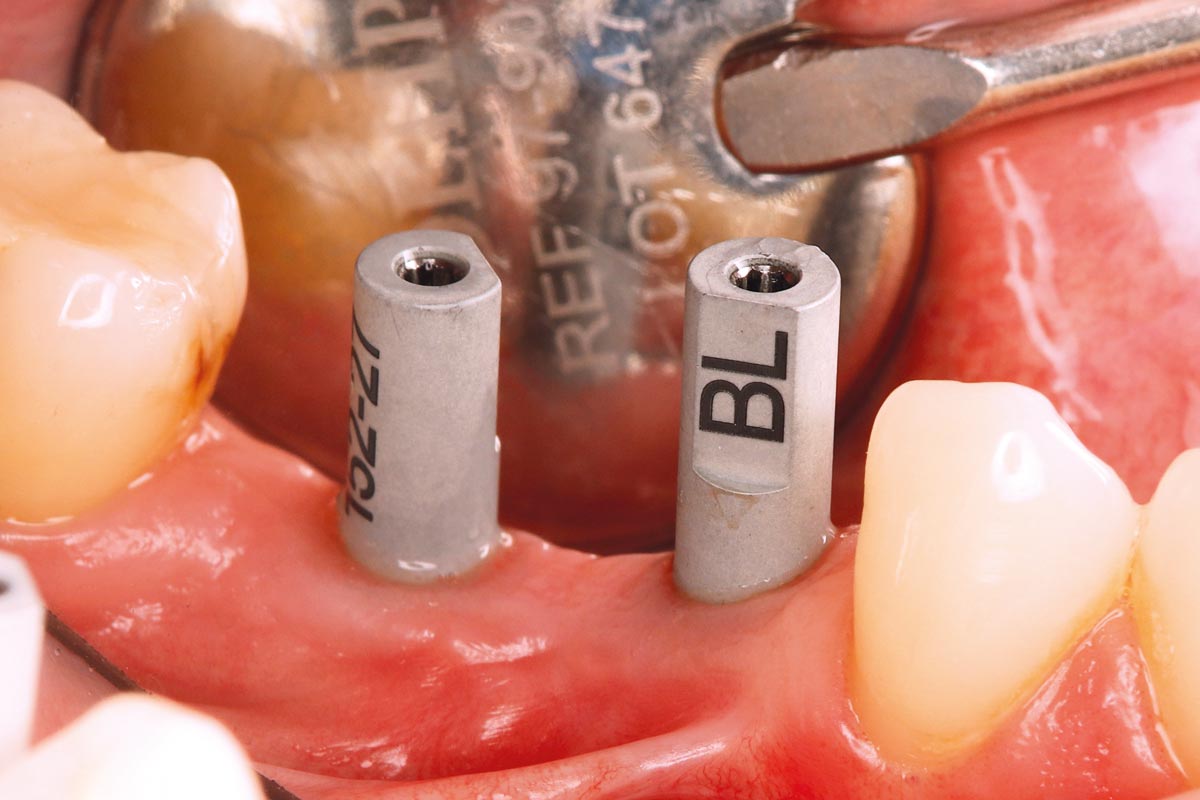
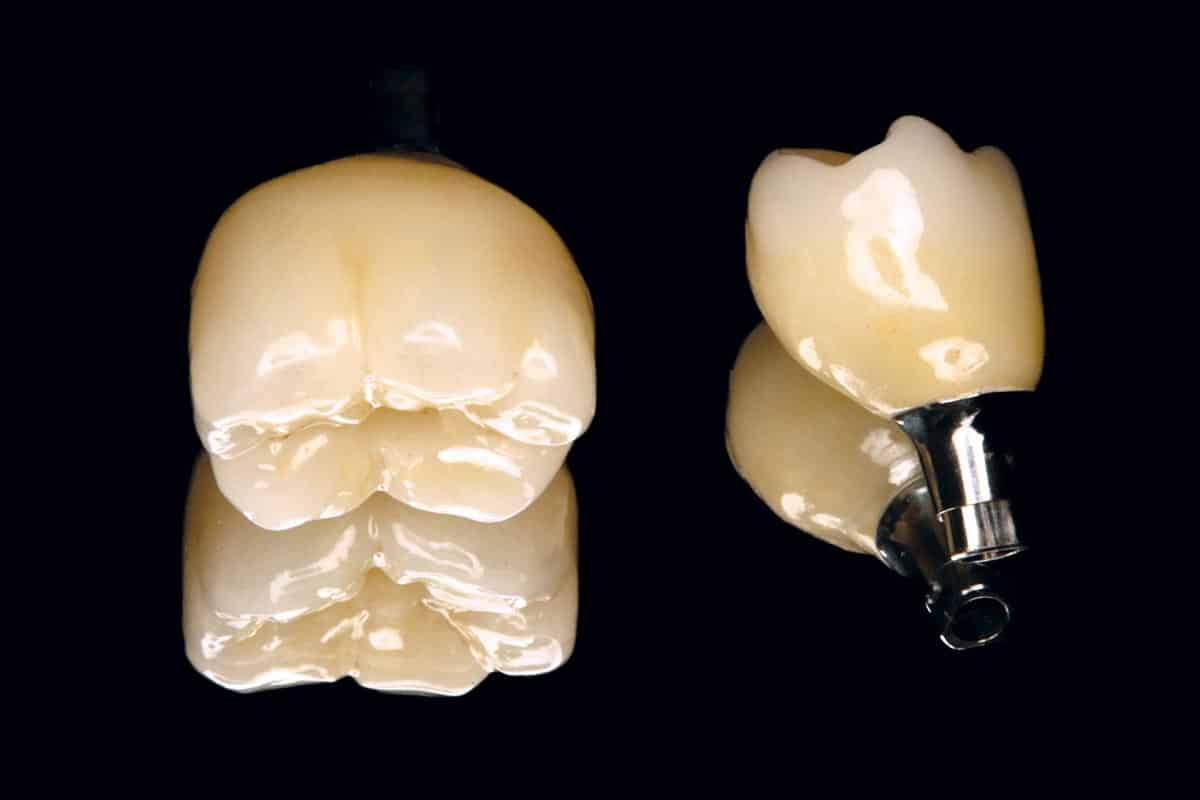
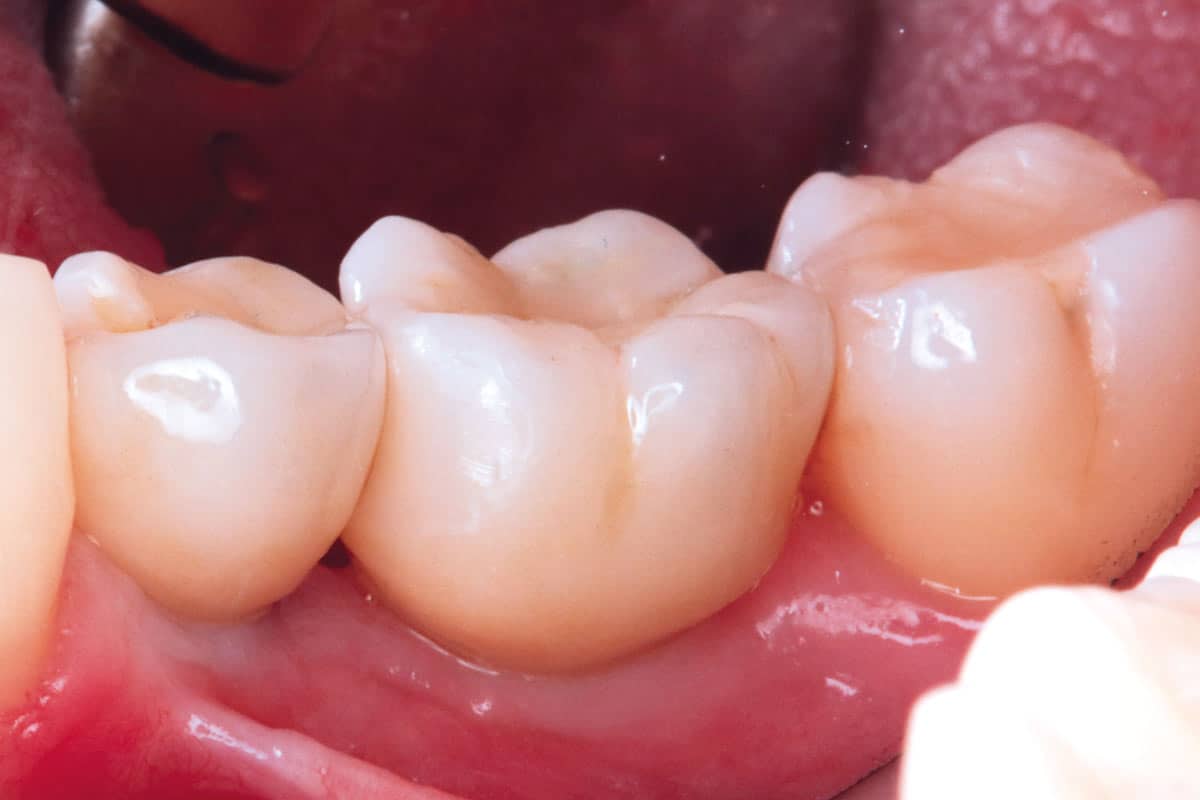
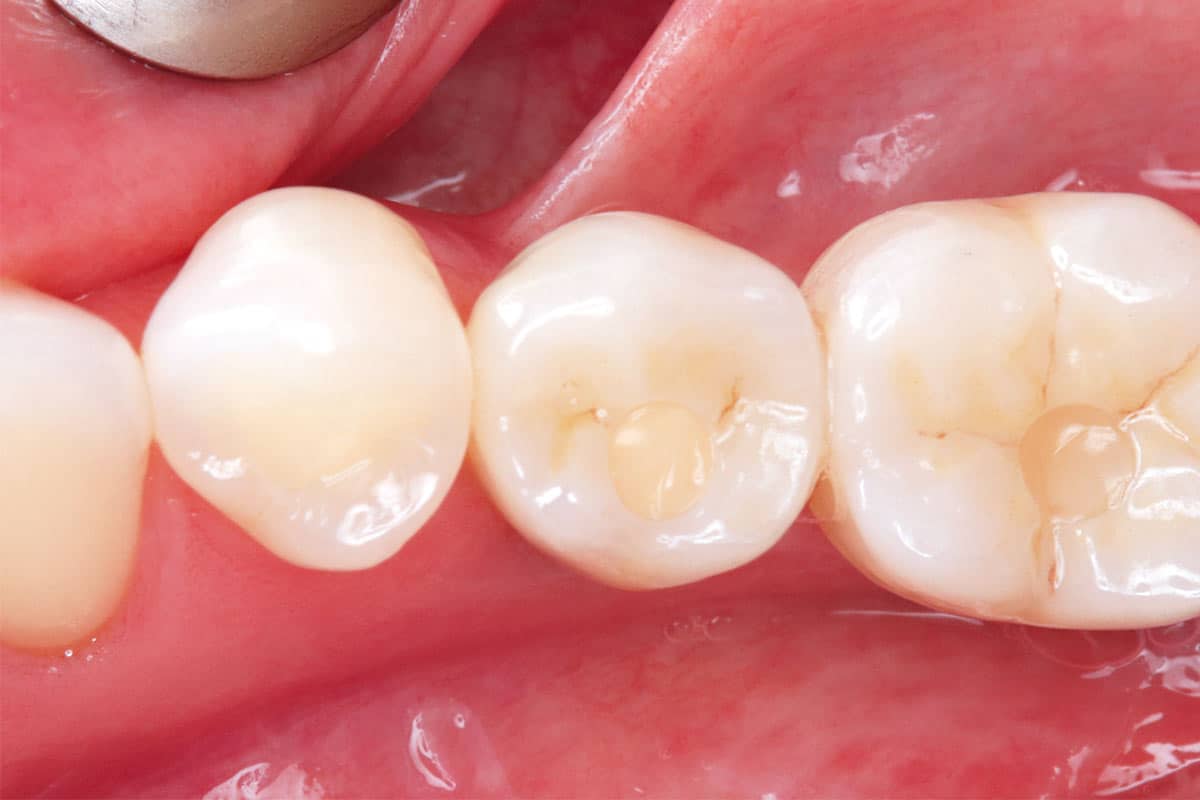
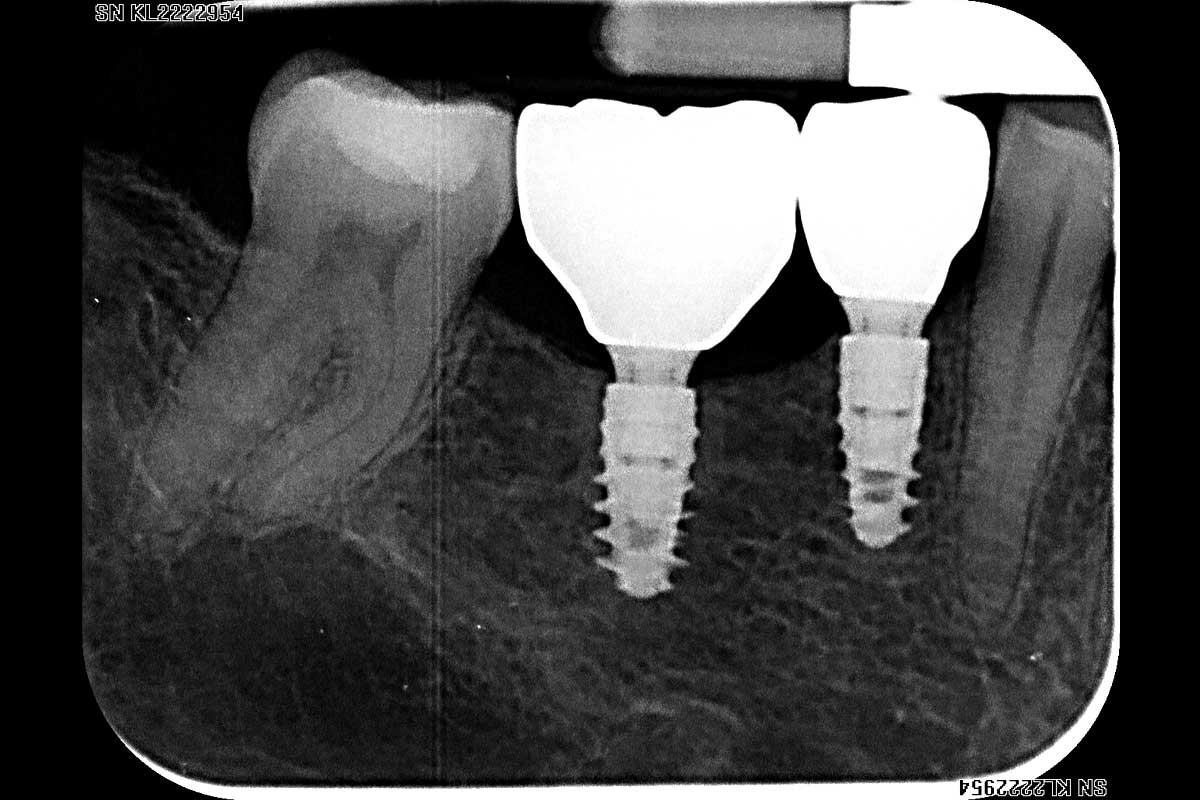
The final prosthetic rehabilitation consisted of two individual, screw-retained zirconia crowns placed on implant sites 45 and 46. At the 2-year follow-up, stable peri-implant soft tissue conditions were maintained, with a well-preserved buccal contour and no signs of soft tissue recession. Radiographic evaluation confirmed stable peri-implant bone levels, supporting the long-term success of the treatment.
These findings highlight the predictable performance of mucoderm® and confirm the reliability of this approach for achieving stable soft tissue conditions and long-term implant success in the posterior region.