

CASE OF THE MONTH | 05/2026
Dr. Toni Flichy
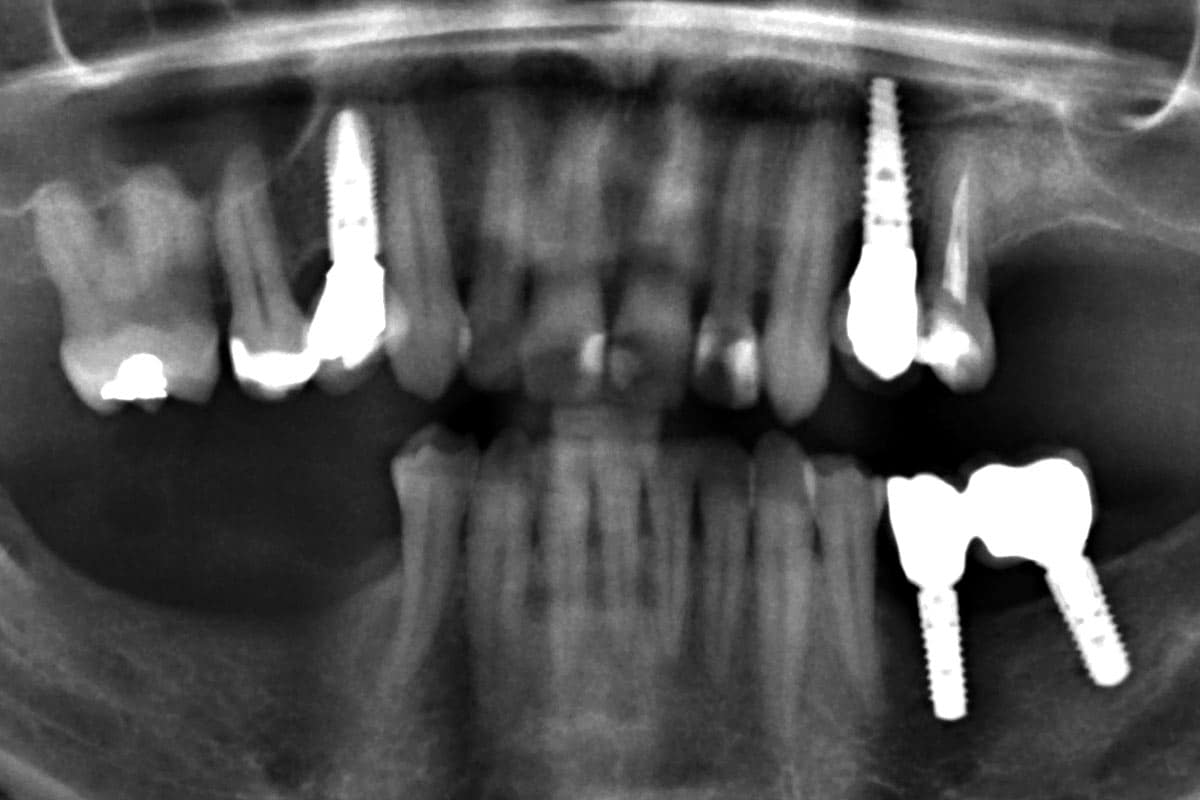
A 44-year-old female patient presented with missing teeth in the mandibular right posterior region (45–47).
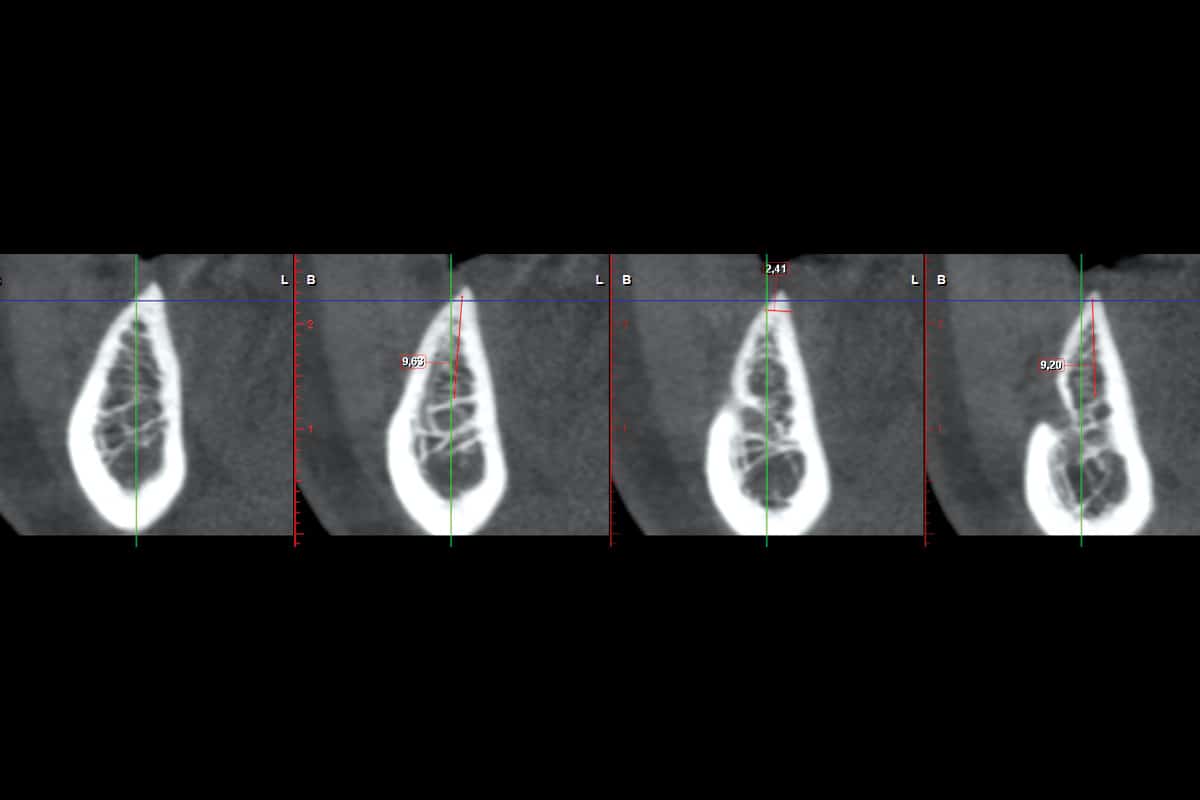
Clinical and CBCT evaluation revealed a severe horizontal ridge defect with limited bone width and reduced vertical dimension, making implant placement impossible.
- Residual bone width: approx. 2.4mm
- Residual bone height: 9.2–9.6 mm
- Indication: horizontal ridge augmentation prior to implant placement
Surgical Procedure
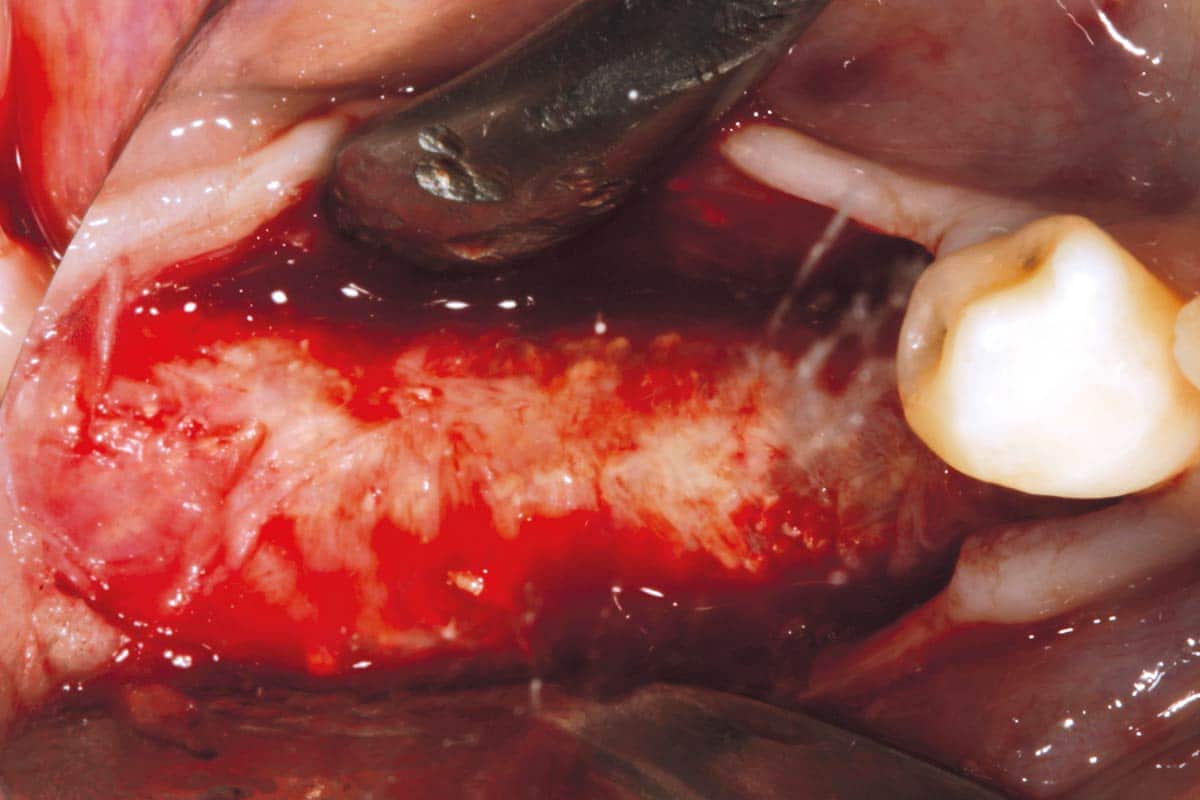
A full-thickness flap was elevated and the recipient site was prepared.
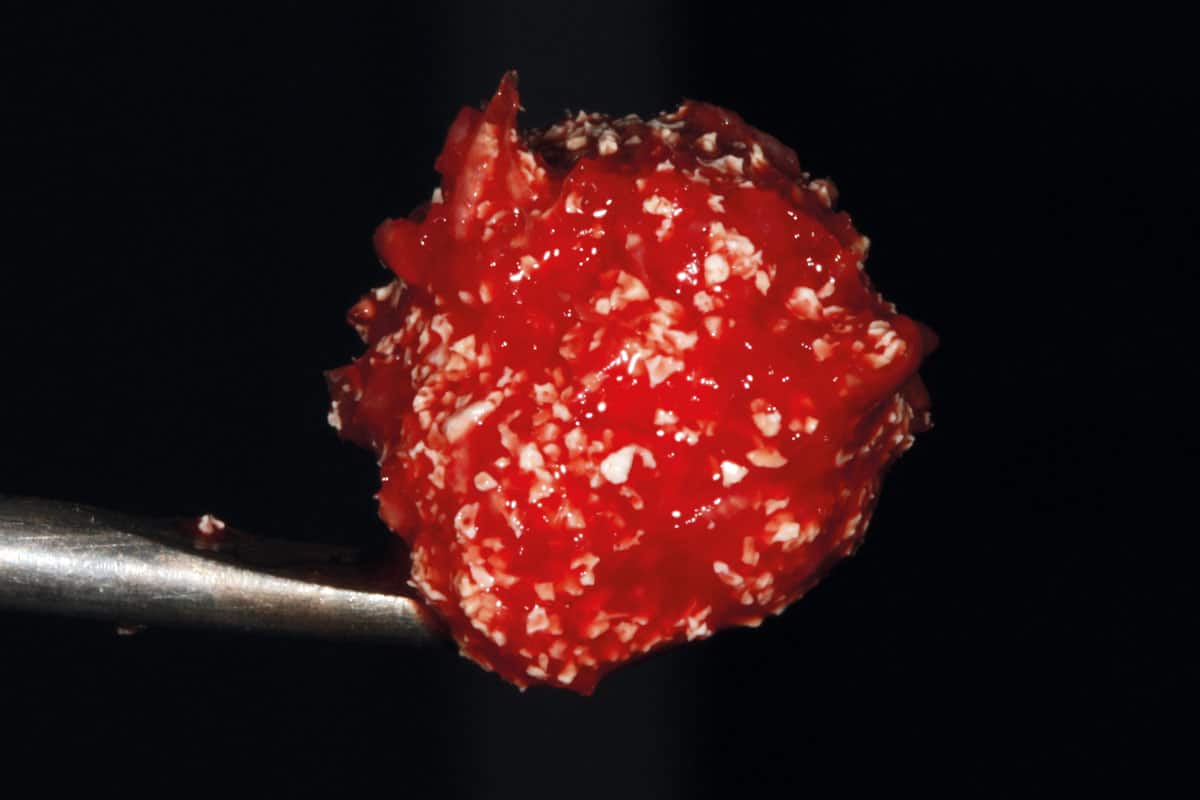
Autologous bone was harvested from the retromolar region using a safe scraper.
The grafting material consisted of:
- Autologous bone
- cerabone® +HyA (xenograft with hyaluronic acid)
- Mixed in a 1:1 ratio
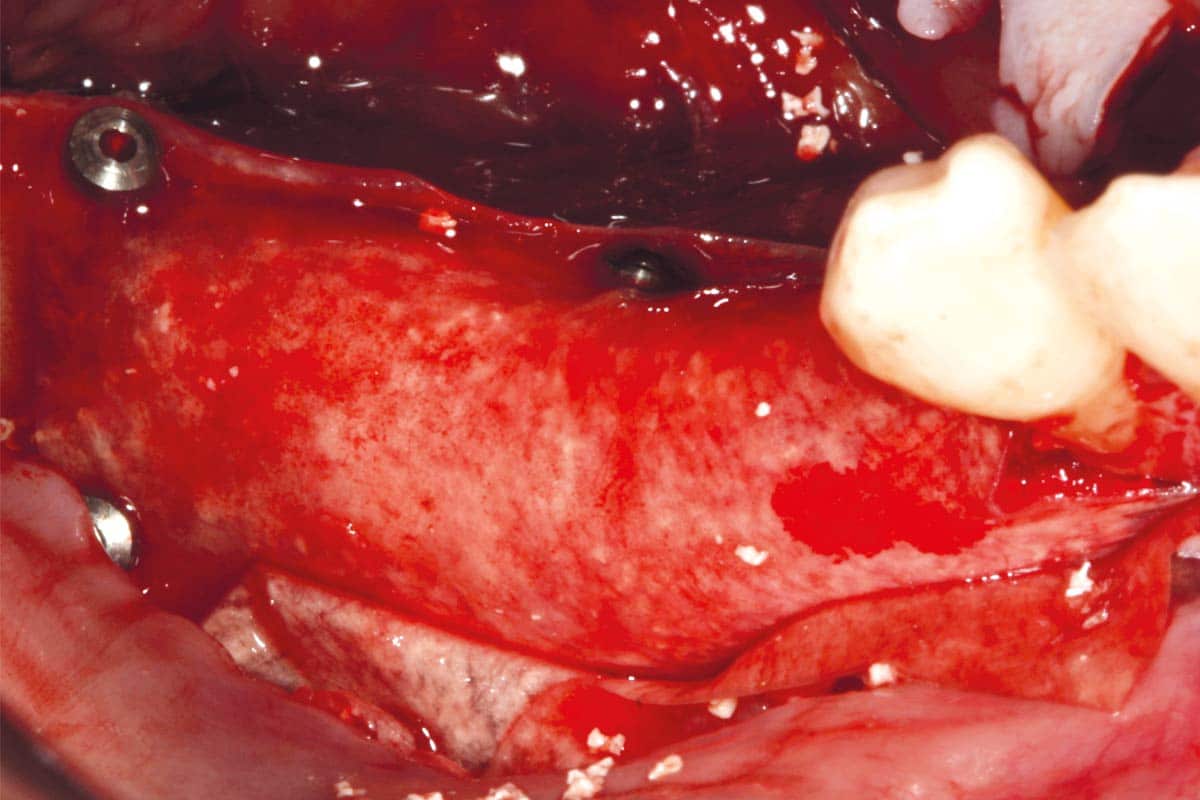
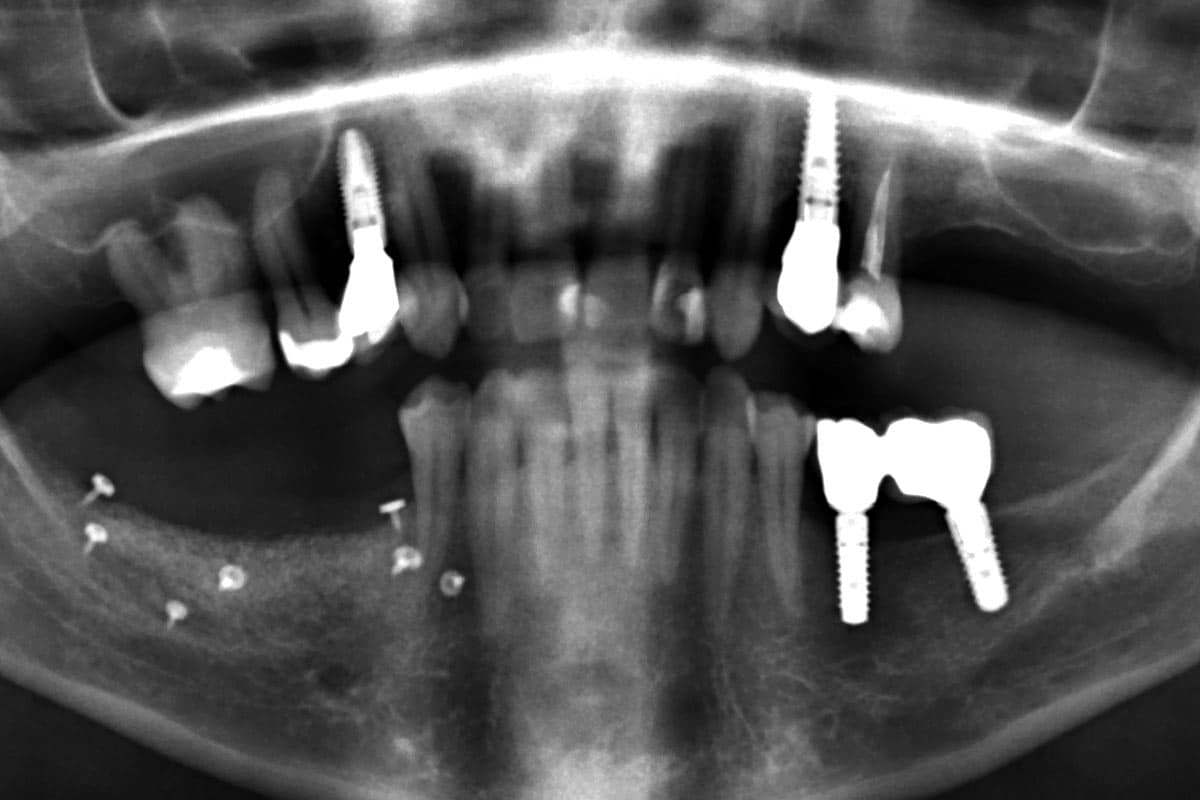
A Jason® membrane was fixed lingually using titanium pins.
The graft mixture was placed to achieve horizontal and partial vertical augmentation following the Sausage Technique .
The membrane was tensioned and stabilized, ensuring graft immobilization and space maintenance.
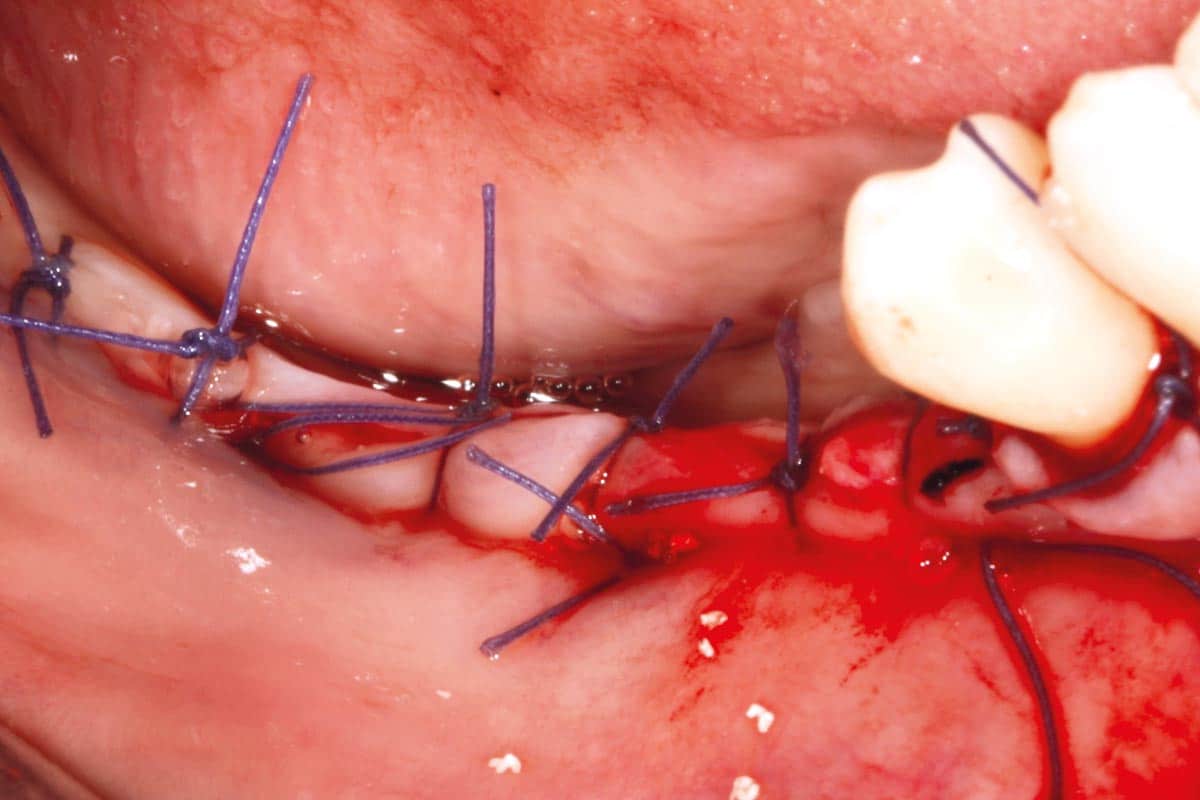
Tension-free primary wound closure was achieved using a combination of simple and mattress sutures.
Healing Phase
Healing was uneventful. Follow-up examinations were performed at 1, 3 and 6 months.
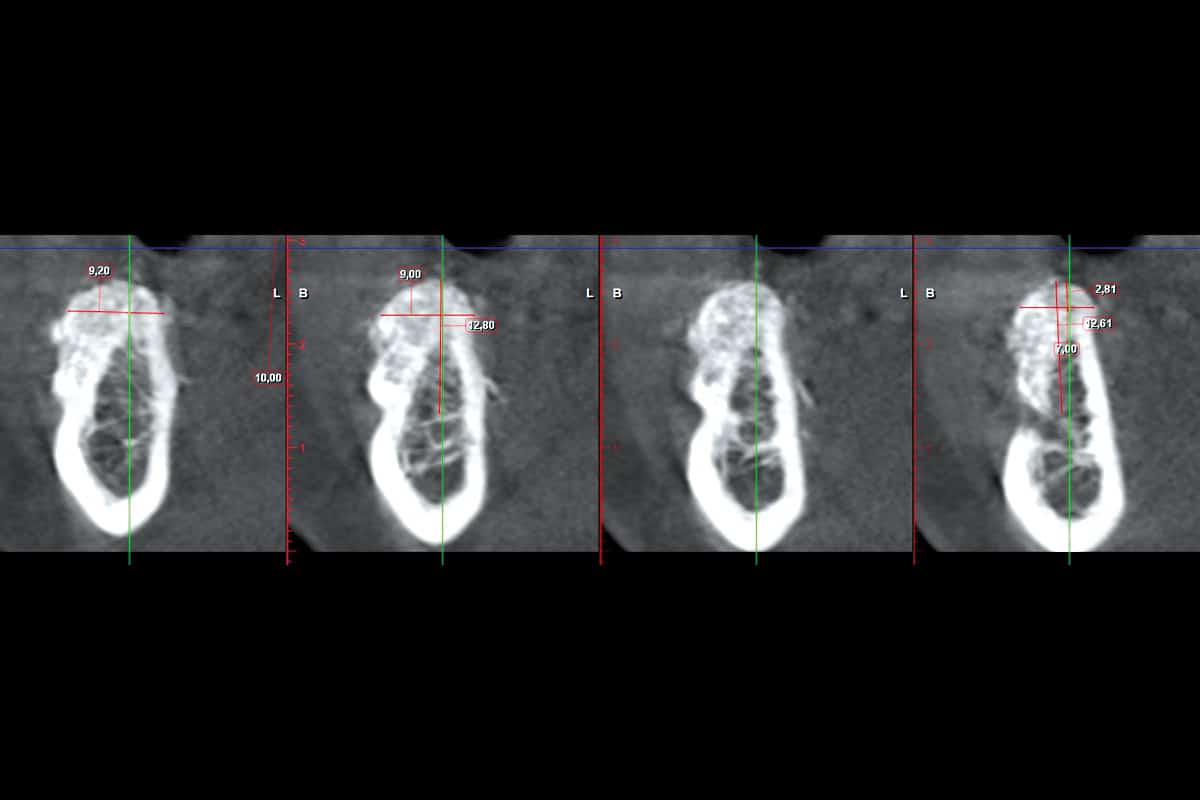
CBCT after 6 months demonstrated significant bone regeneration:
- Bone width increased to 7–9.2 mm
- Bone height increased to 12.6–12.8 mm
- Sufficient volume for implant placement
Implant Placement
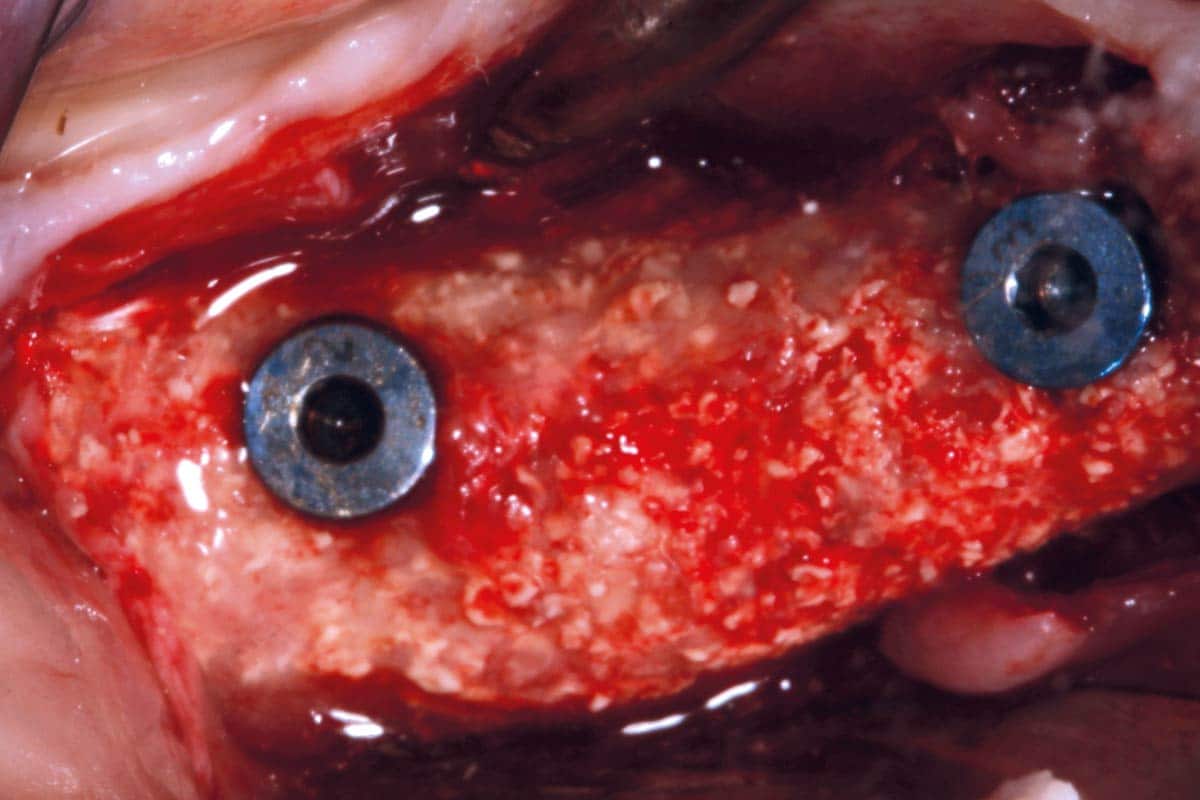
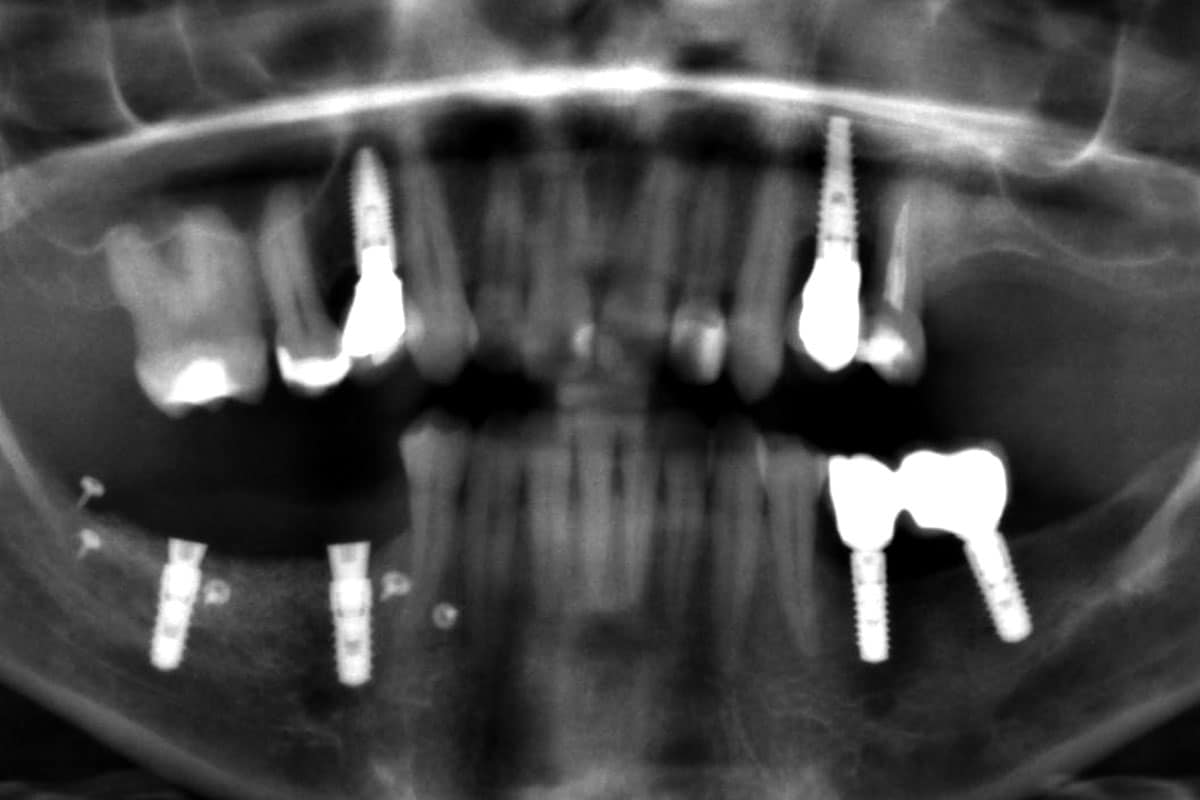
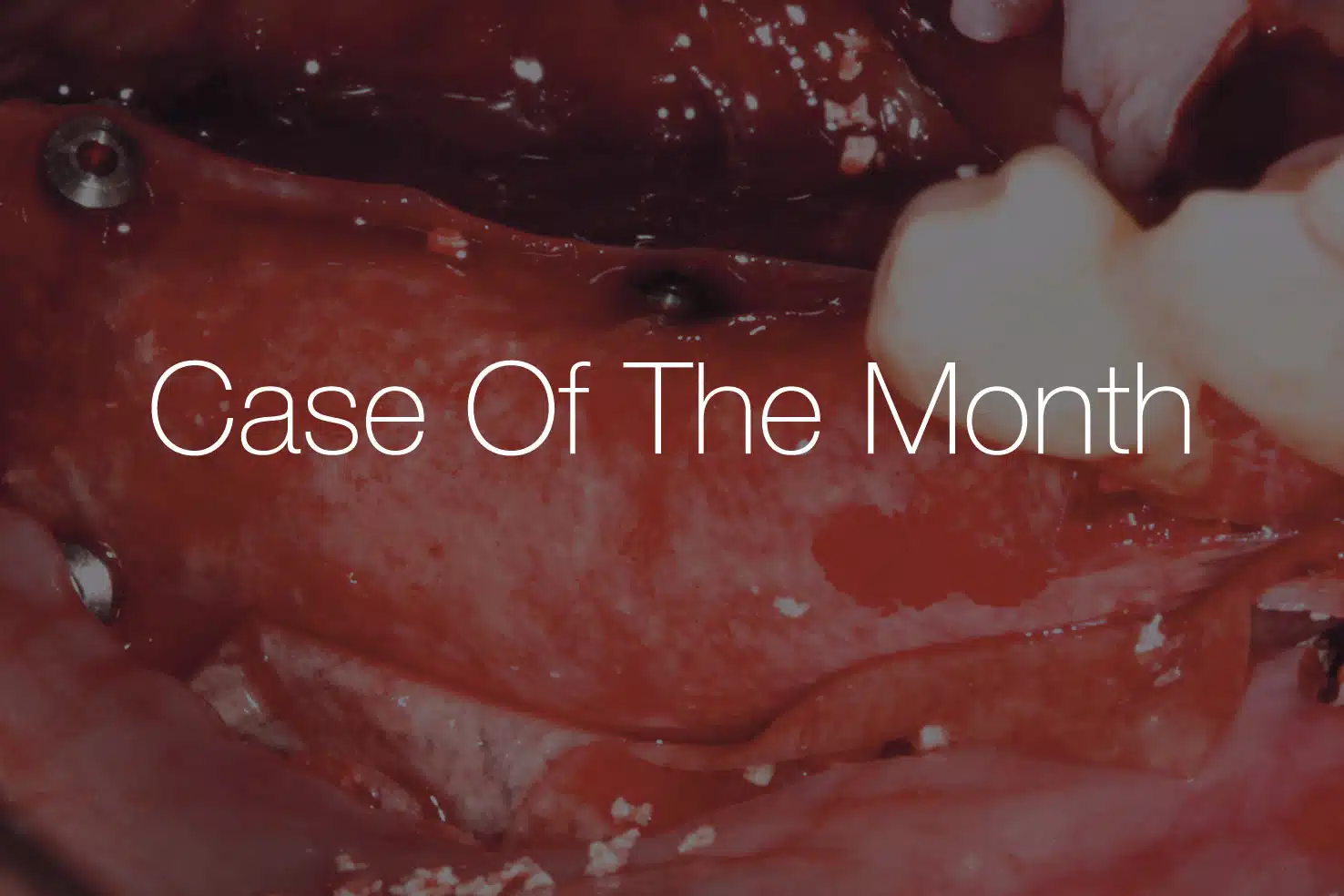
Re-entry surgery was performed after 6 months. Two implants were placed in regions 45 and 47. Healing abutments were placed and soft tissue closure performed.
Prosthetic Restoration
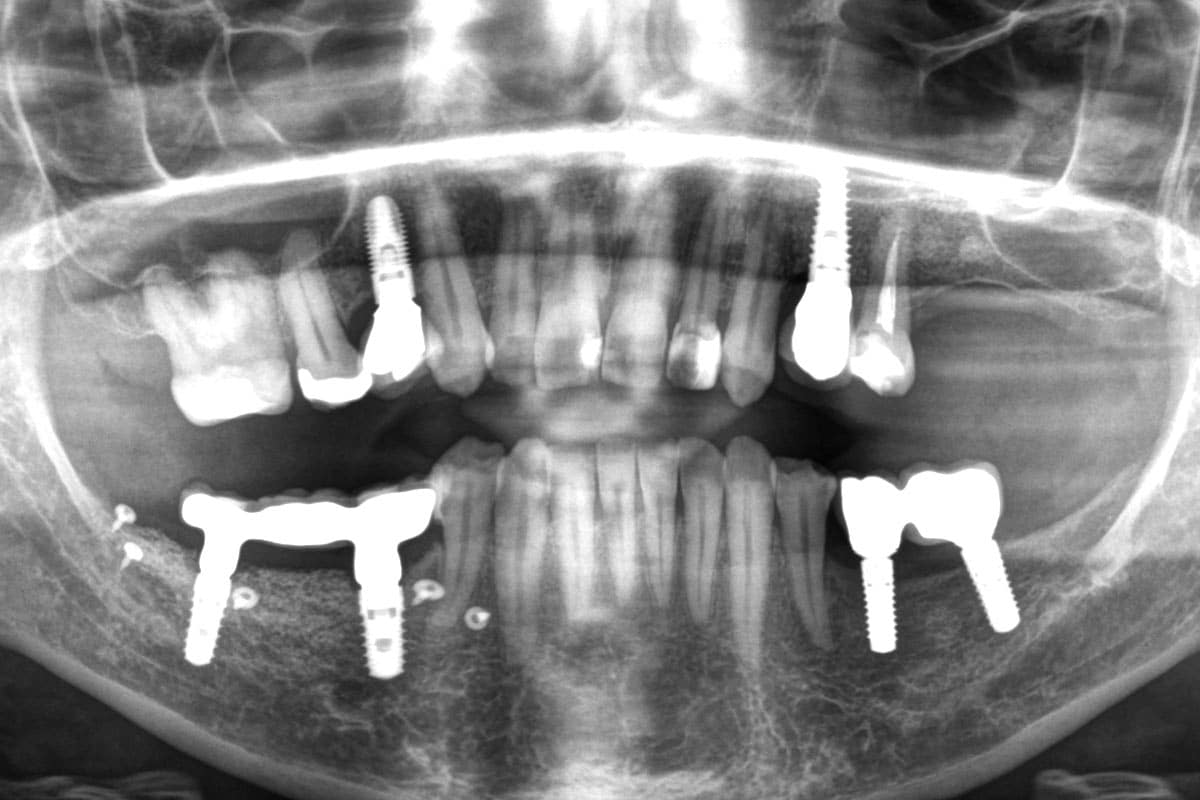
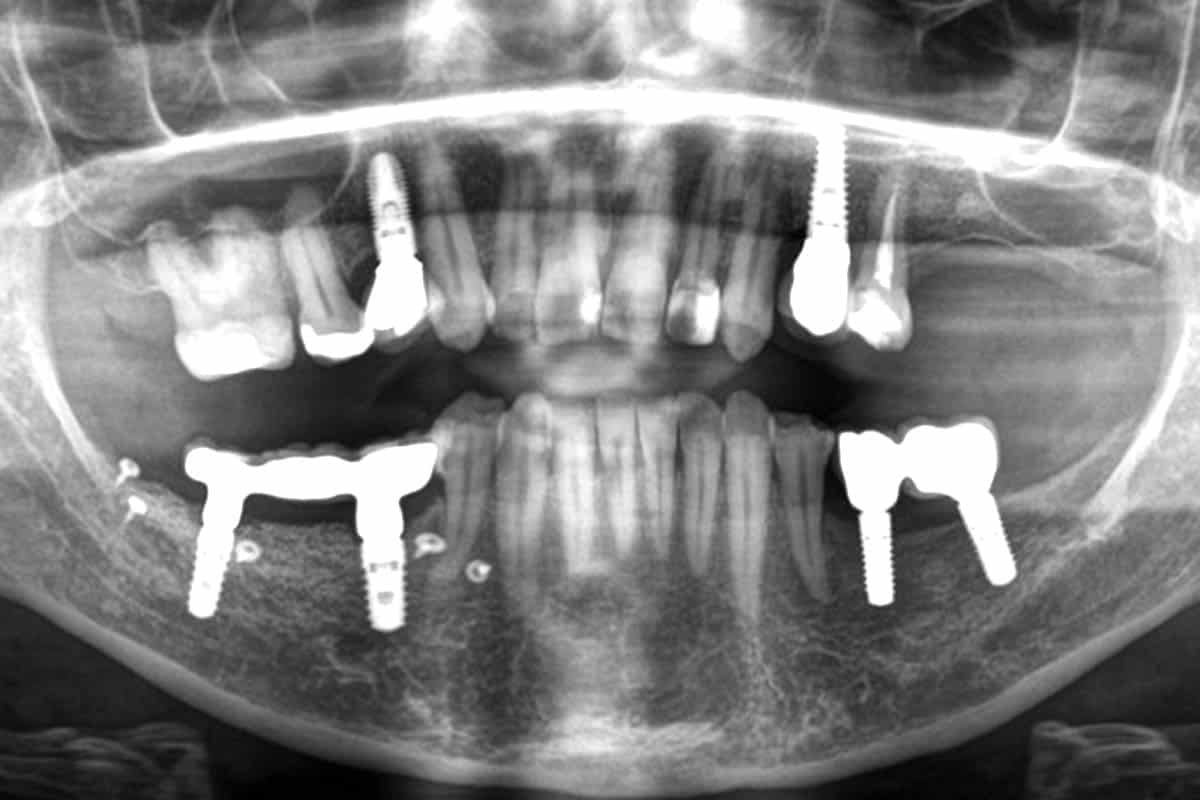
After osseointegration, second-stage surgery was performed and impressions were taken. A screw-retained implant-supported bridge was delivered.
Outcome
Stable horizontal bone regeneration was achieved, allowing prosthetically driven implant placement.
Radiographic and clinical follow-up showed stable peri-implant bone conditions.
Follow-up period: 3 years