

CASE OF THE MONTH | 06/2026
Dr. Reto Morger
A patient presented with insufficient vertical and horizontal bone volume in the posterior maxilla, requiring combined augmentation procedures to enable implant placement. Due to the reduced residual bone height and compromised ridge contour, a simultaneous approach consisting of sinus floor elevation, implant placement, and lateral ridge augmentation was performed.
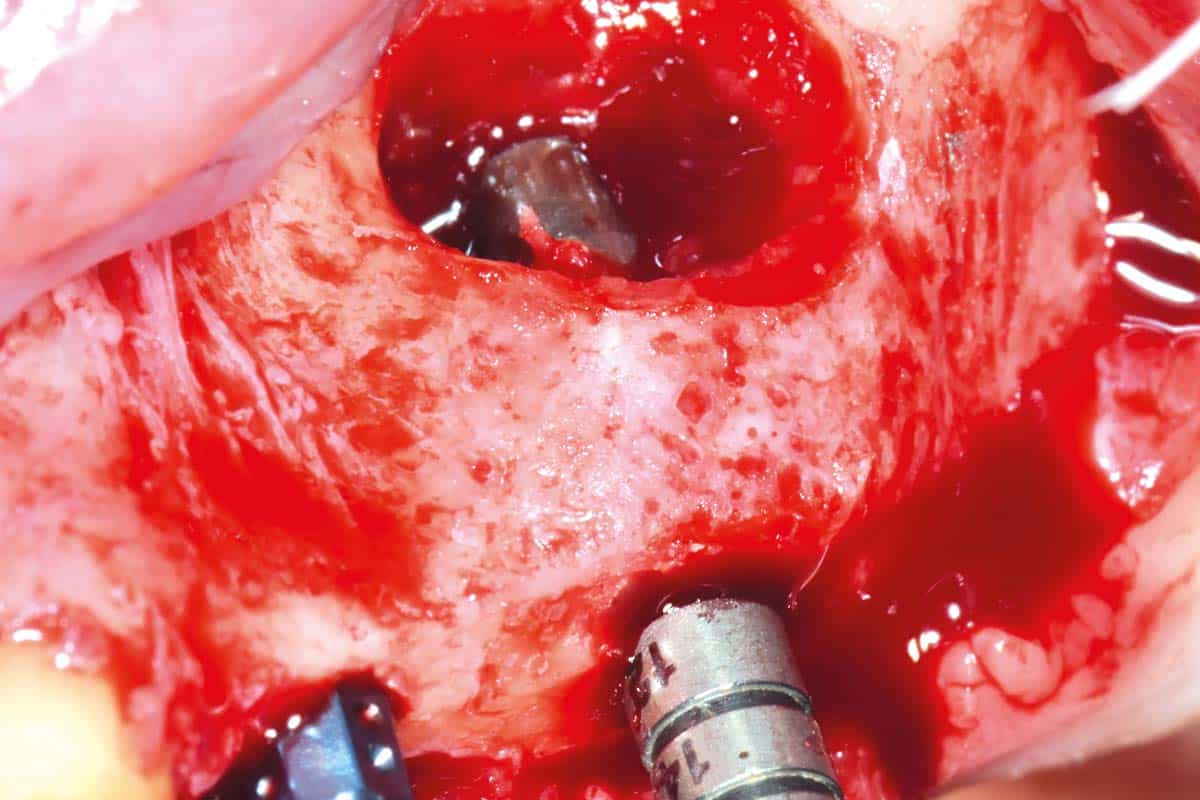
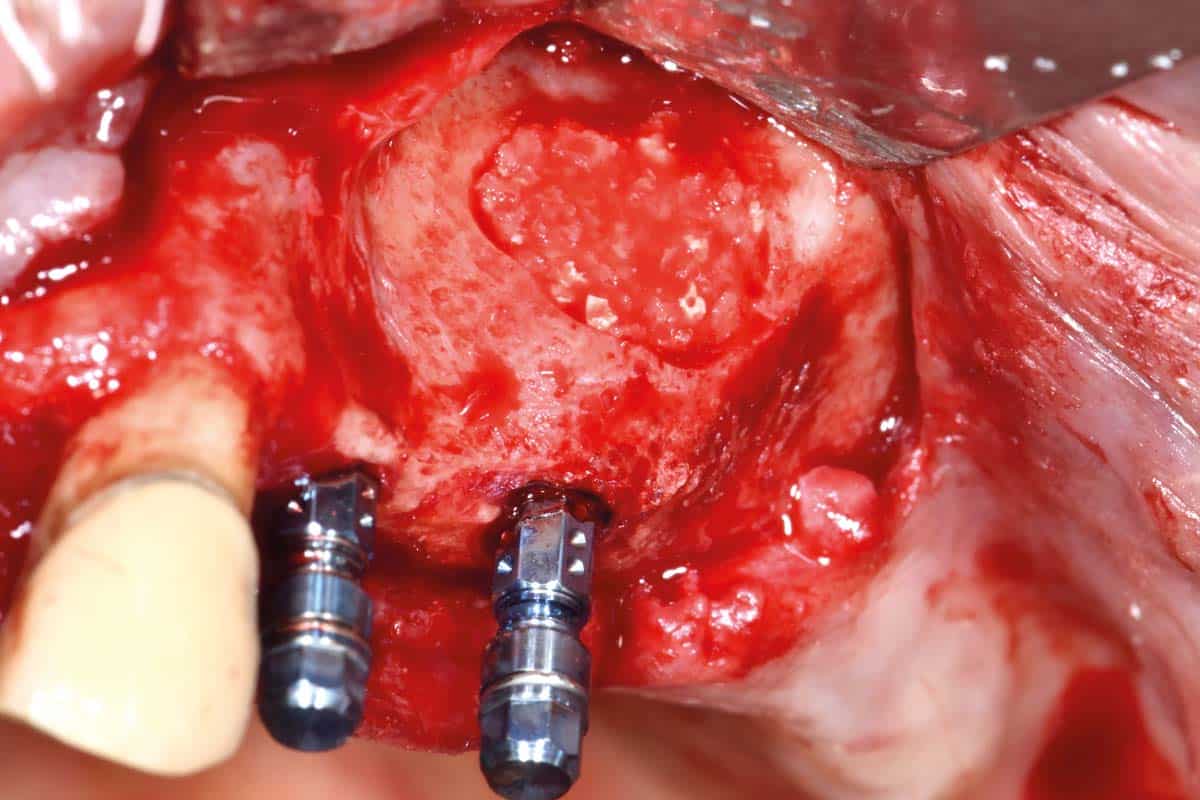
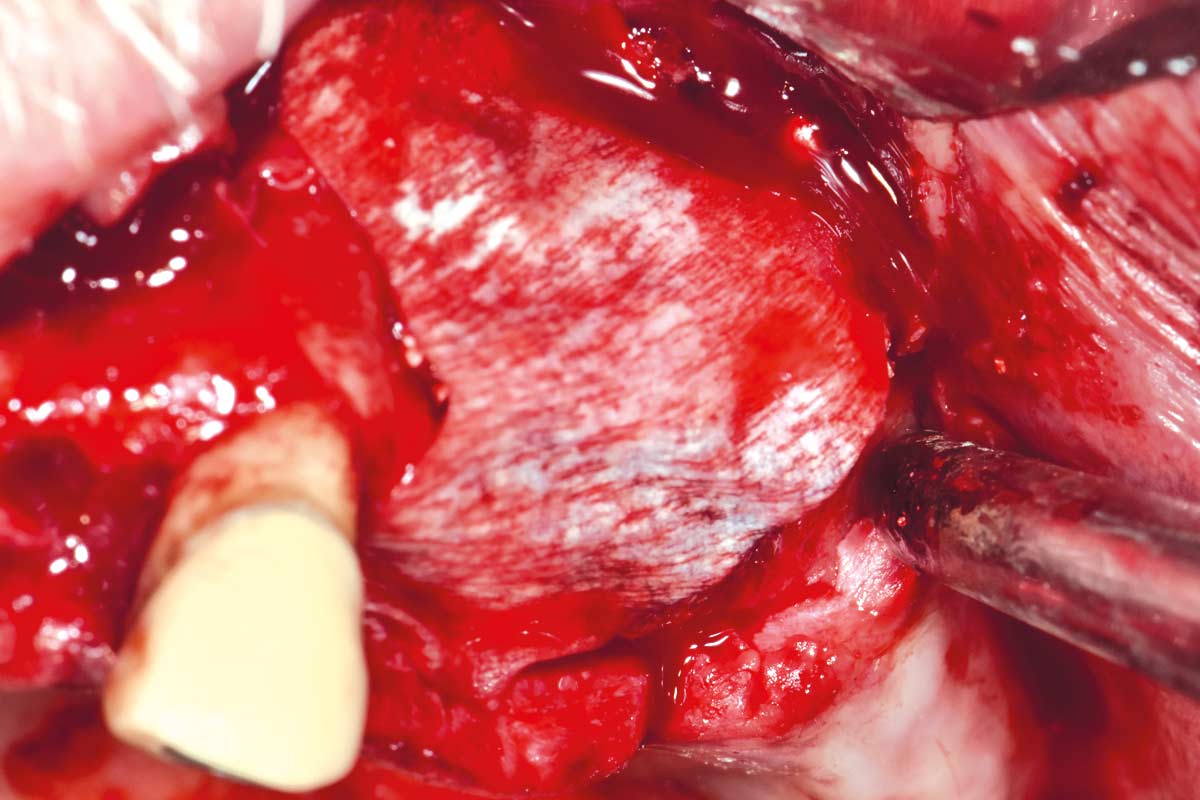
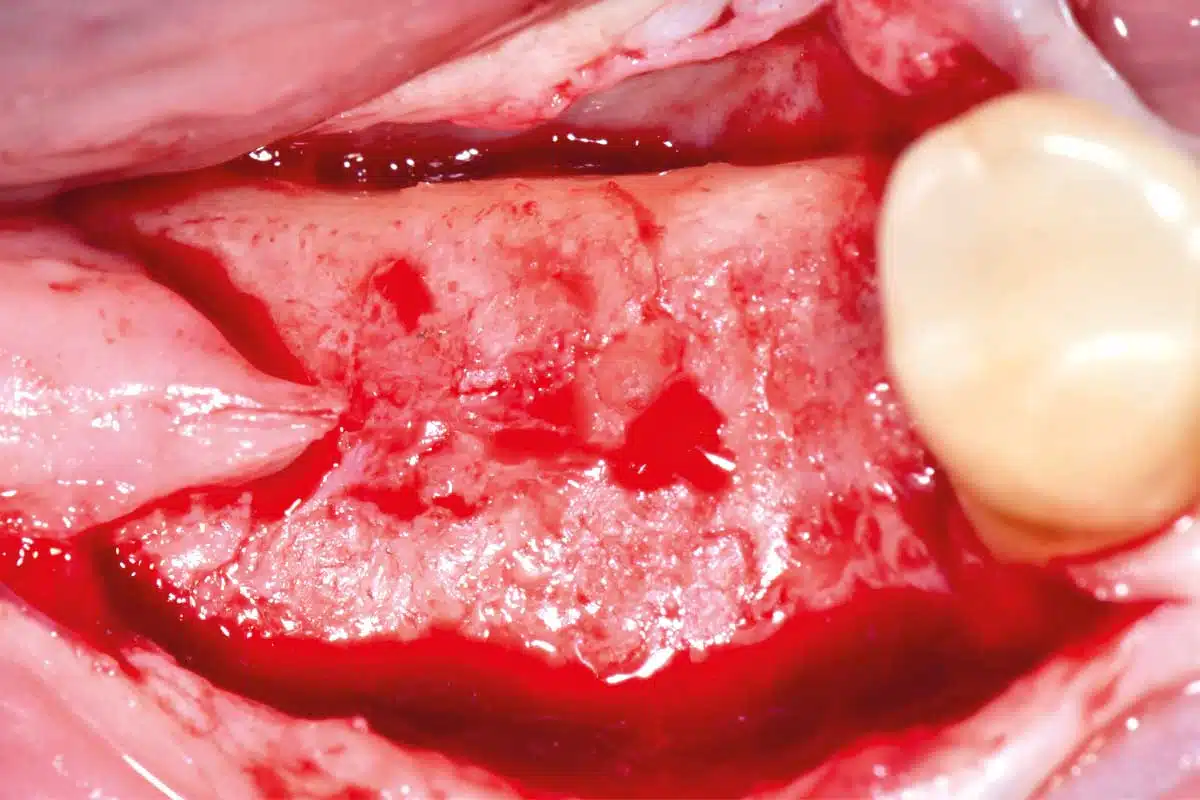
Following flap elevation, a lateral window technique was used to access the maxillary sinus. Careful elevation of the Schneiderian membrane was achieved without complications, creating sufficient space for graft placement. Implant insertion was performed simultaneously, achieving primary stability despite the limited native bone.
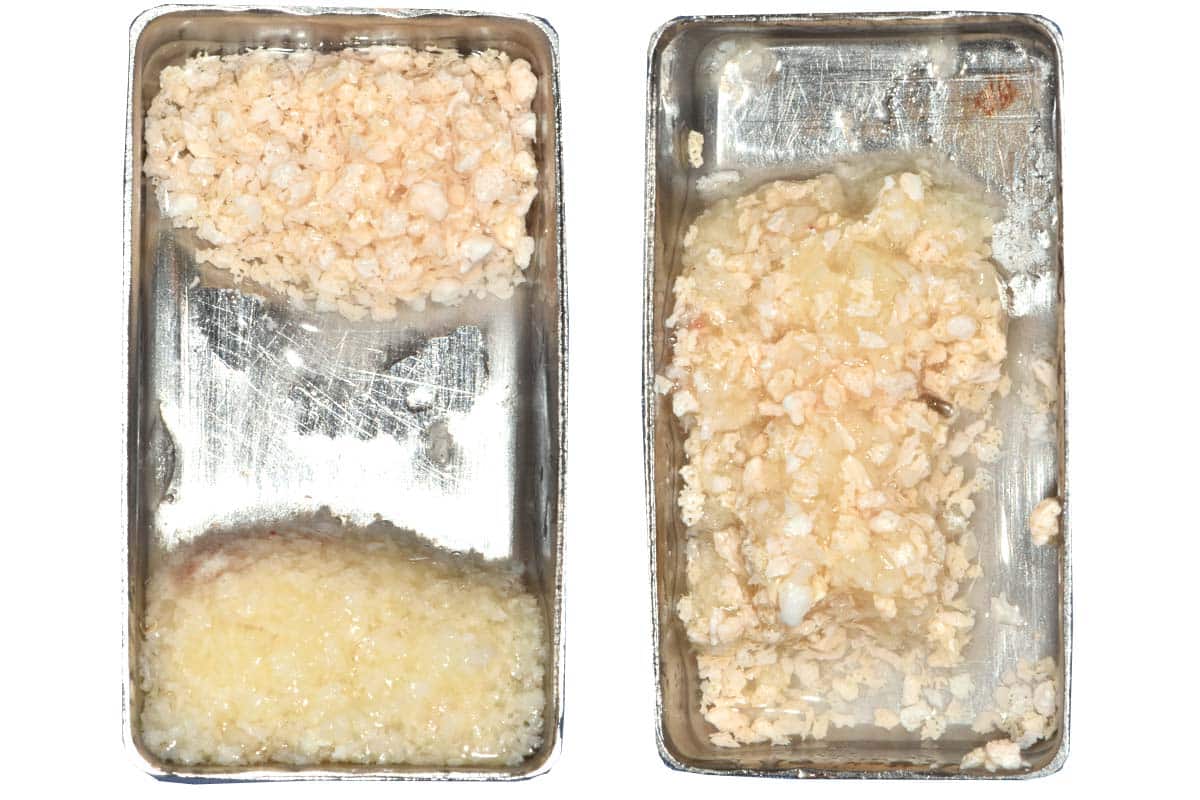
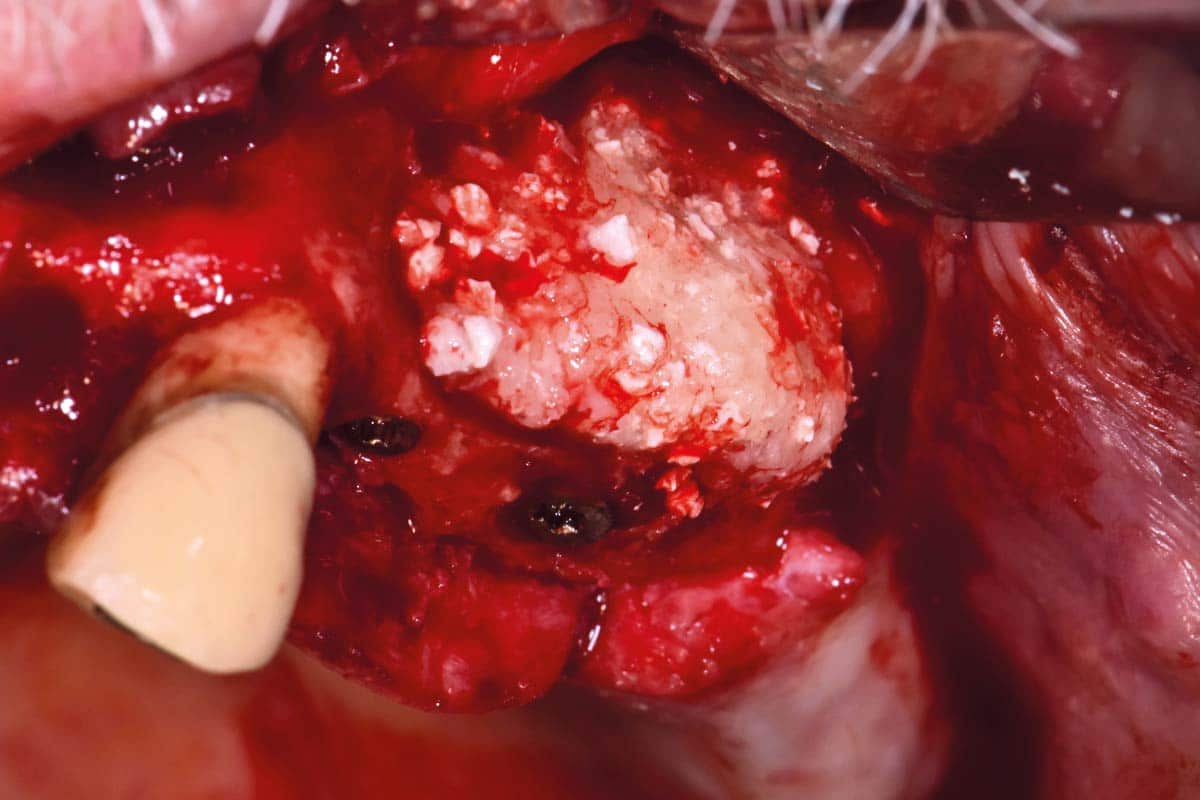
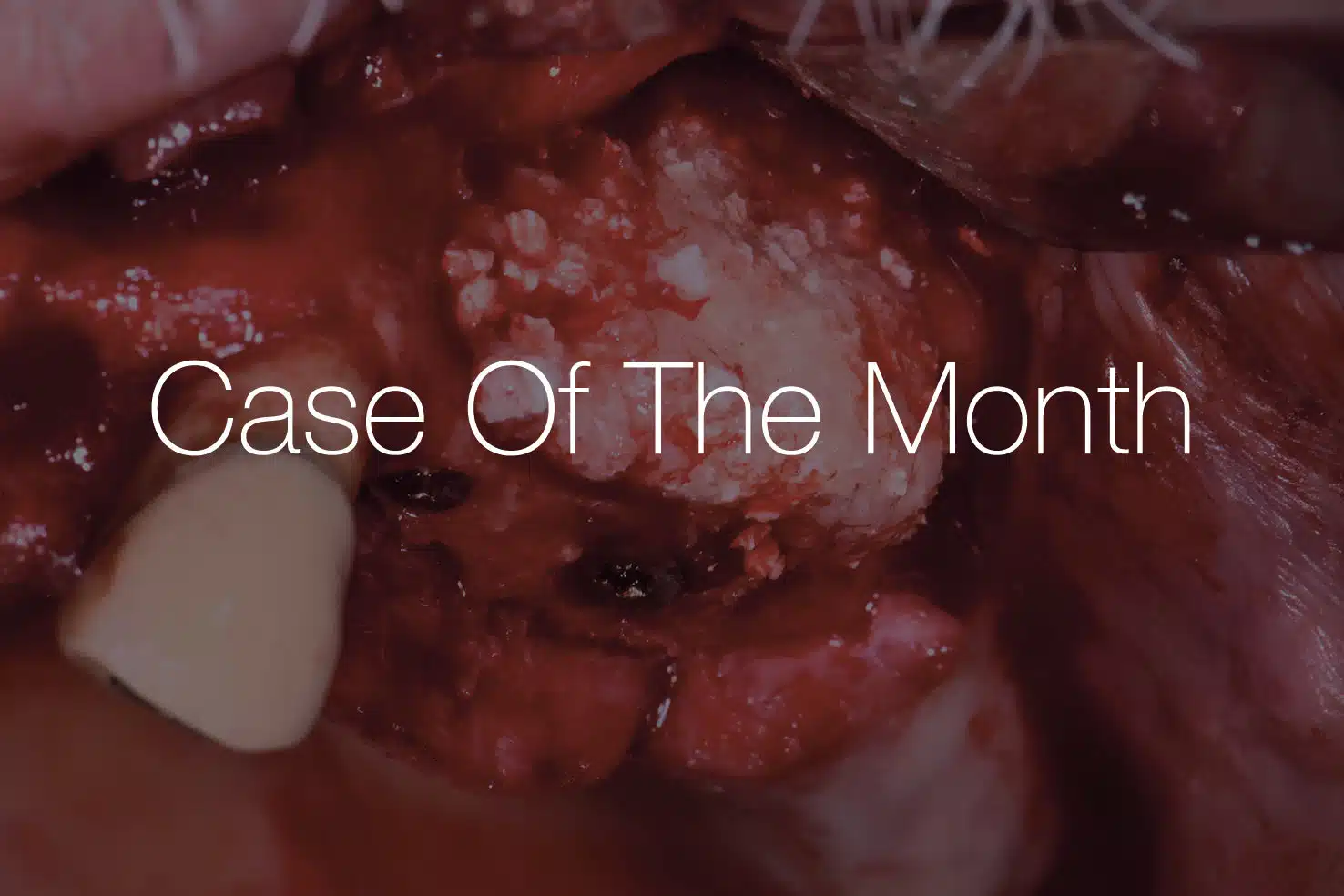
For augmentation, a composite graft consisting of a 1:1 mixture of cerabone® +HyA and maxgraft® + HyA was applied. The graft was used both for sinus augmentation and lateral ridge contouring to restore adequate bone dimensions. To ensure graft stabilization and protect the augmented area, a Jason® membrane was adapted and placed over the entire augmentation site. The membrane provided a stable barrier for guided bone regeneration, supporting uneventful healing. Primary wound closure was achieved, and the postoperative phase proceeded without complications.
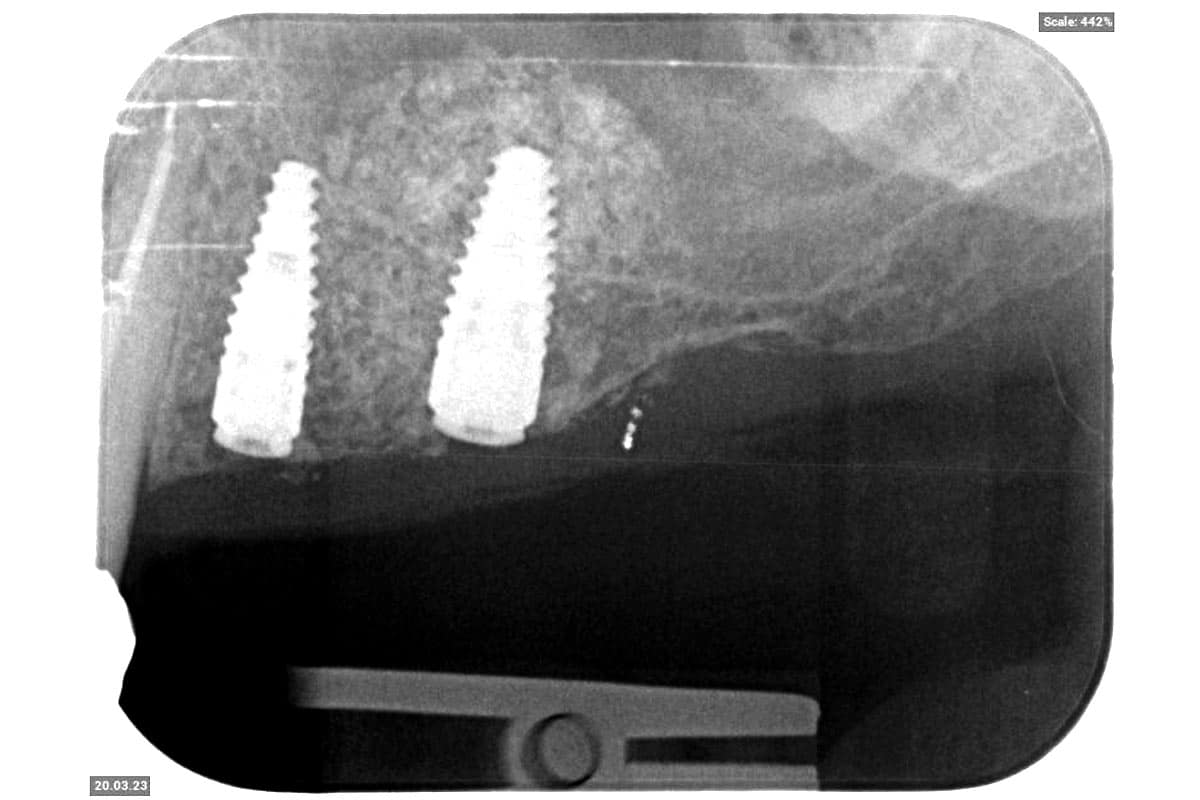
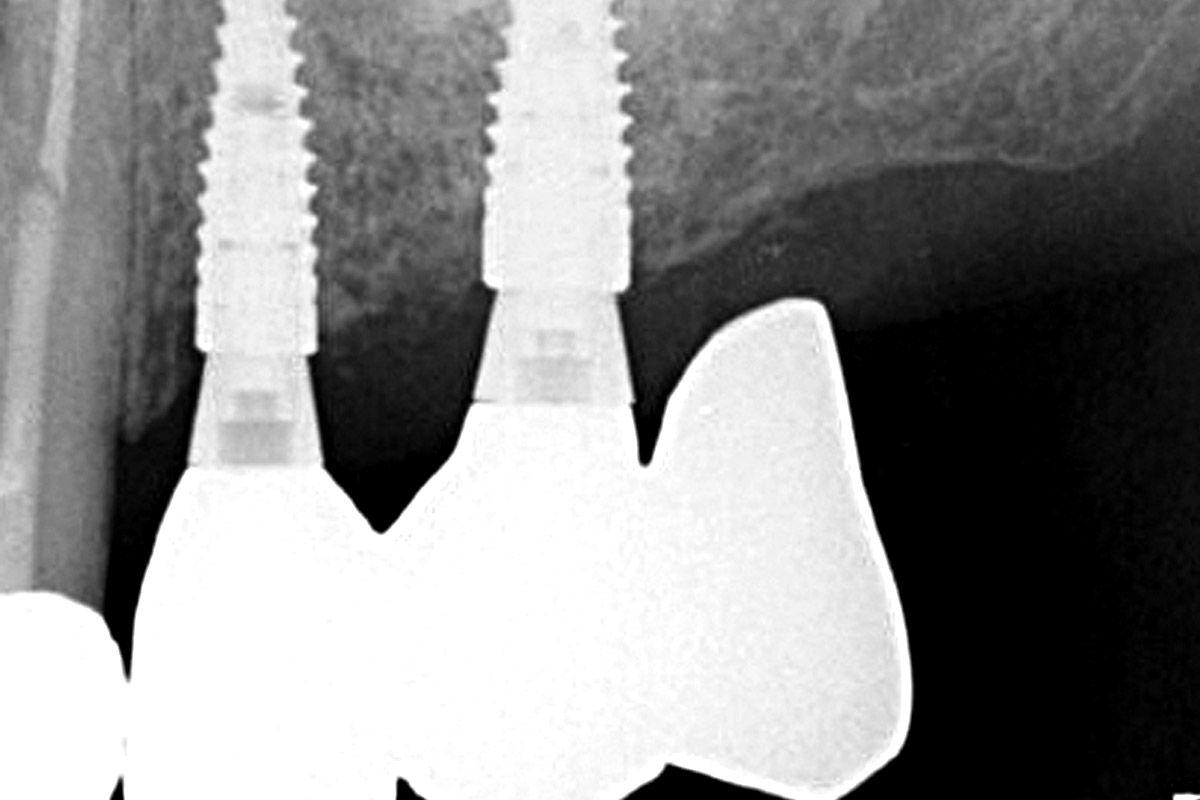
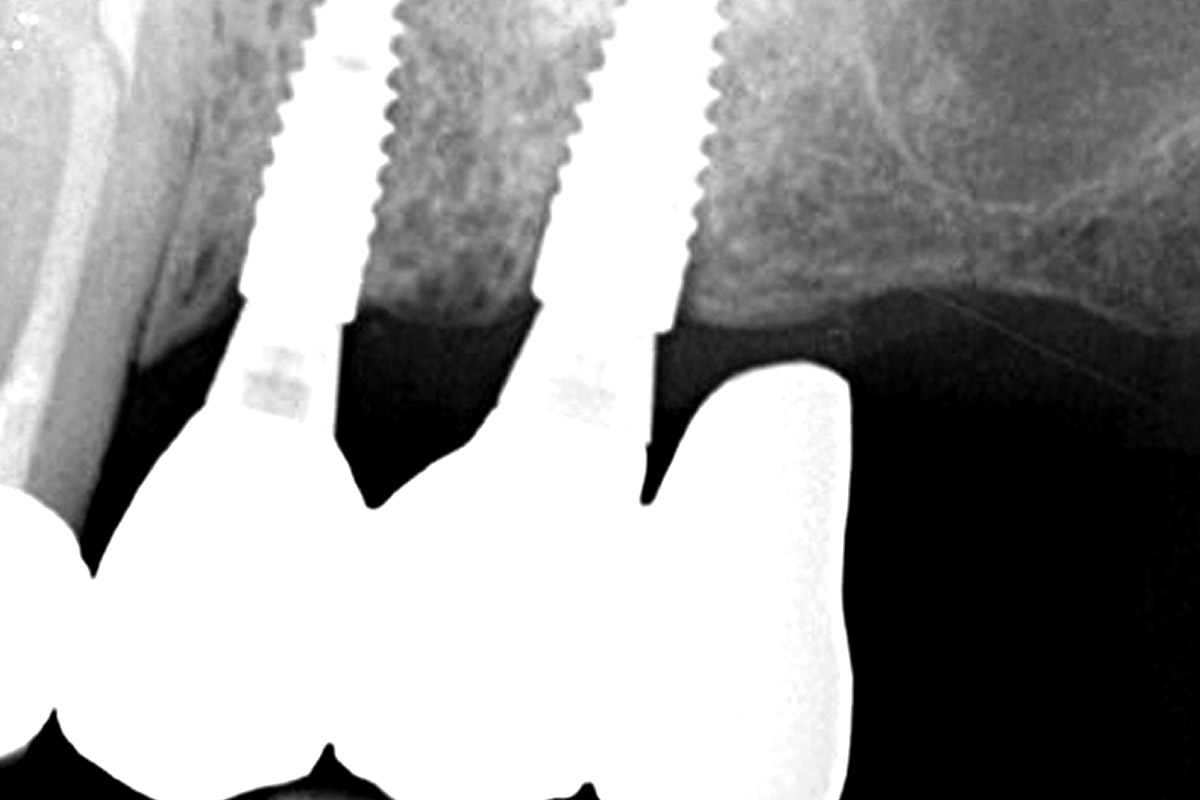
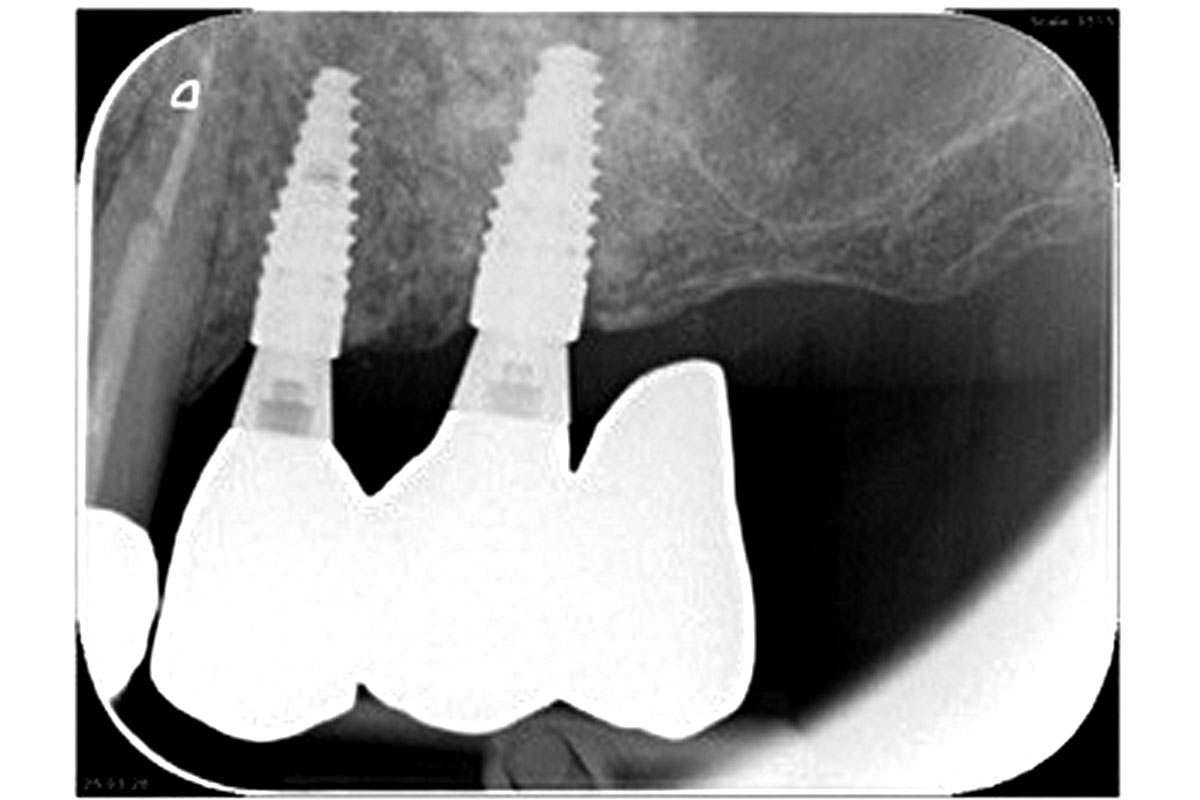
Post-operative radiographic evaluation confirmed correct implant positioning and proper distribution of the graft material. Following placement of the definitive restoration, stable peri-implant conditions and maintained bone levels were observed, indicating successful osseointegration. At the 2-year and 3-year follow-ups, radiographs demonstrated continued volume stability of the augmented area and healthy peri-implant bone conditions, confirming the long-term success of the treatment.