

CLINICAL CASE
Prof. Piero Papi
Description:
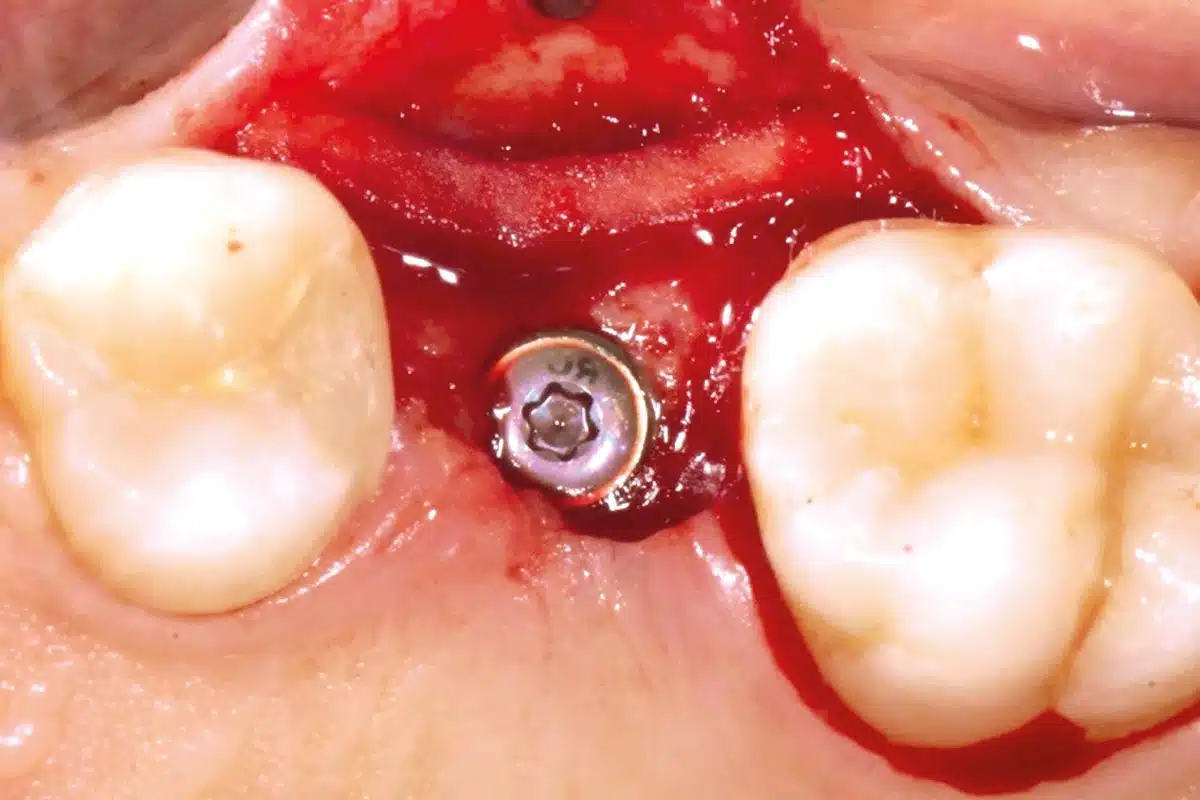
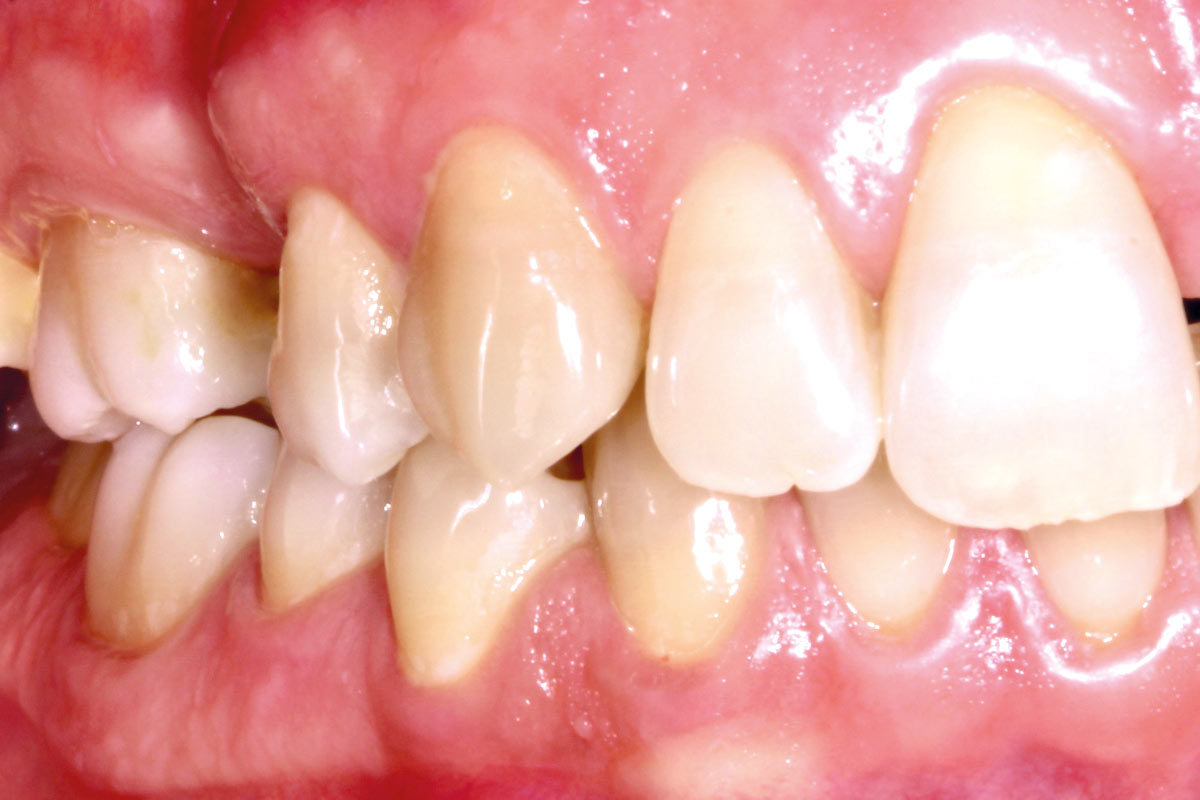
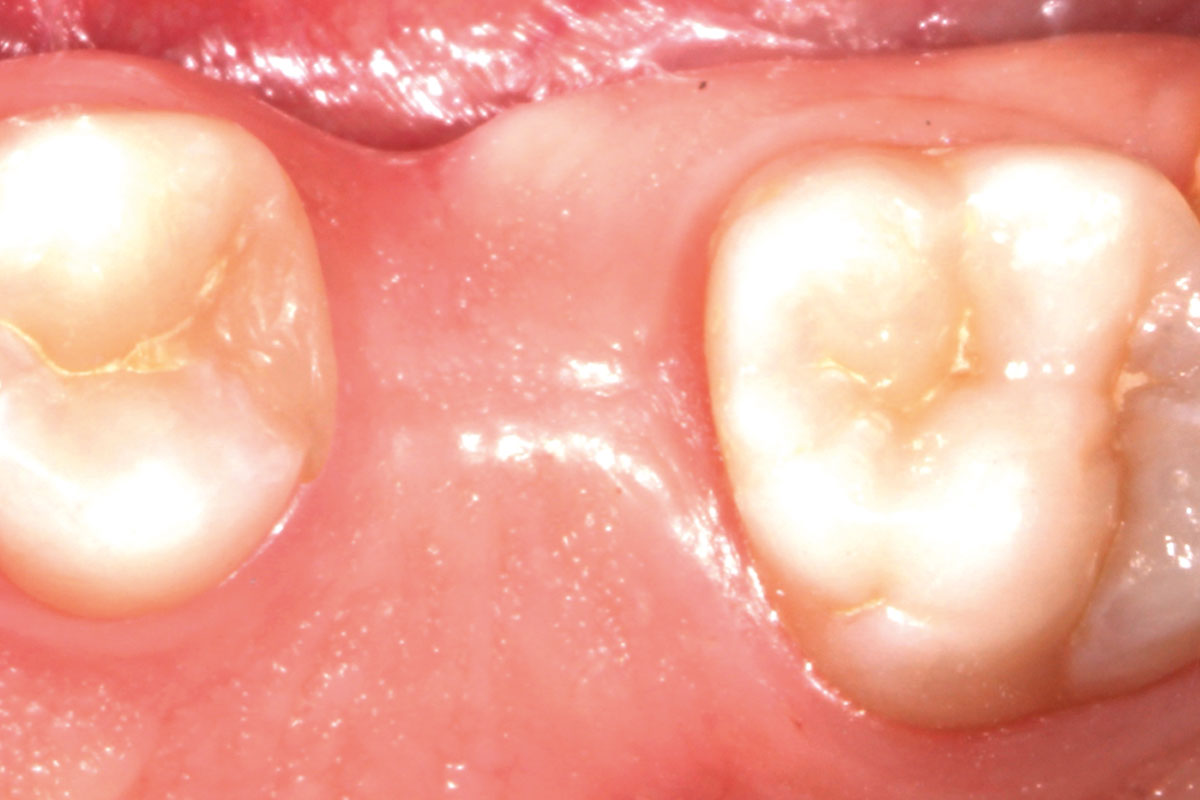
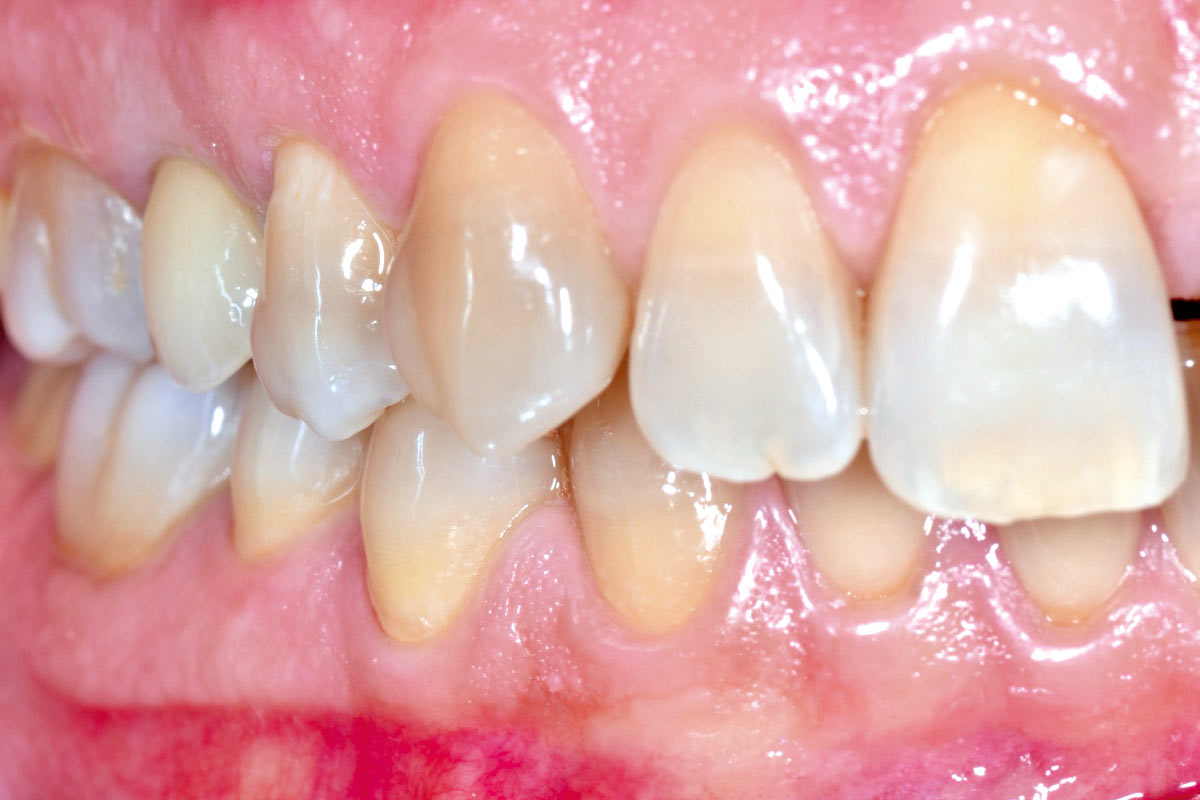
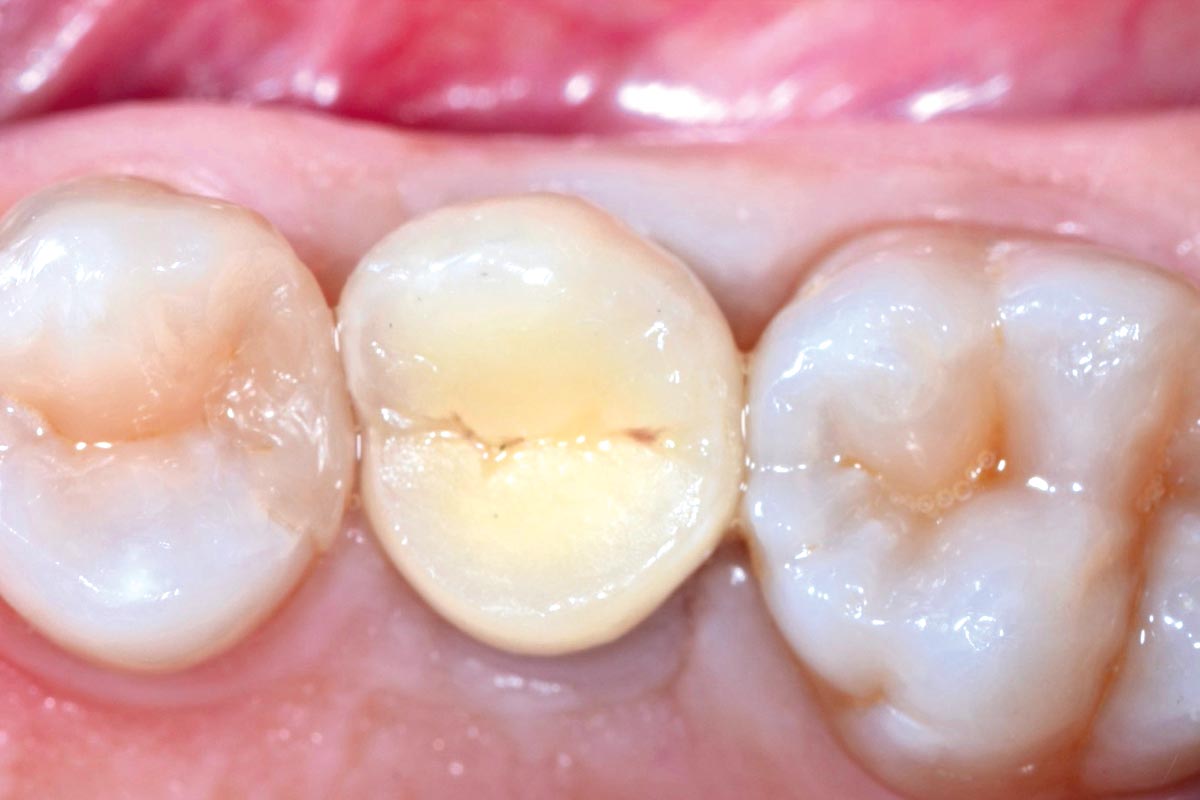
In this clinical case, a patient presented with a missing second premolar associated with a pronounced soft tissue deficiency and complete loss of gingival convexity on the buccal aspect. Although sufficient bone volume was available for implant placement and no hard tissue regeneration was required, the lack of soft tissue volume represented a significant challenge for achieving a natural emergence profile and an esthetically pleasing peri-implant mucosal contour. To address this deficiency, soft tissue augmentation with mucoderm®, a native collagen matrix, was performed during second-stage surgery after implant placement.
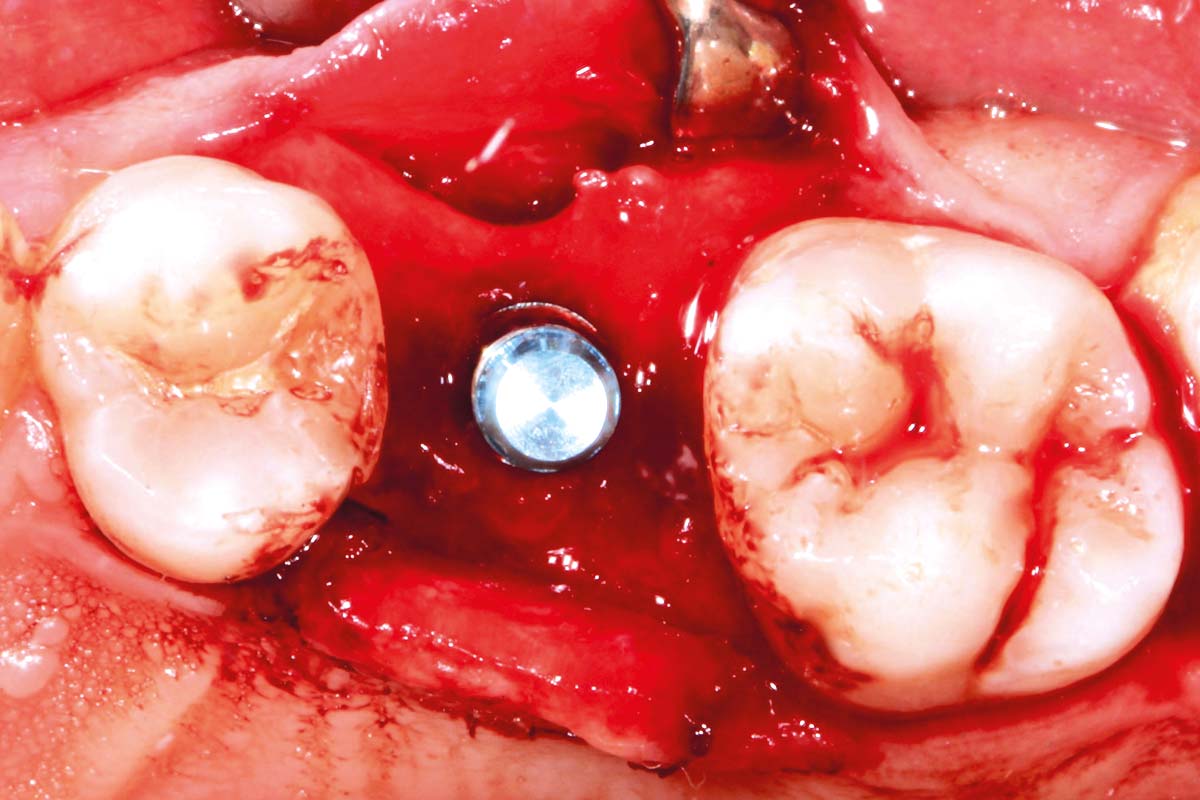
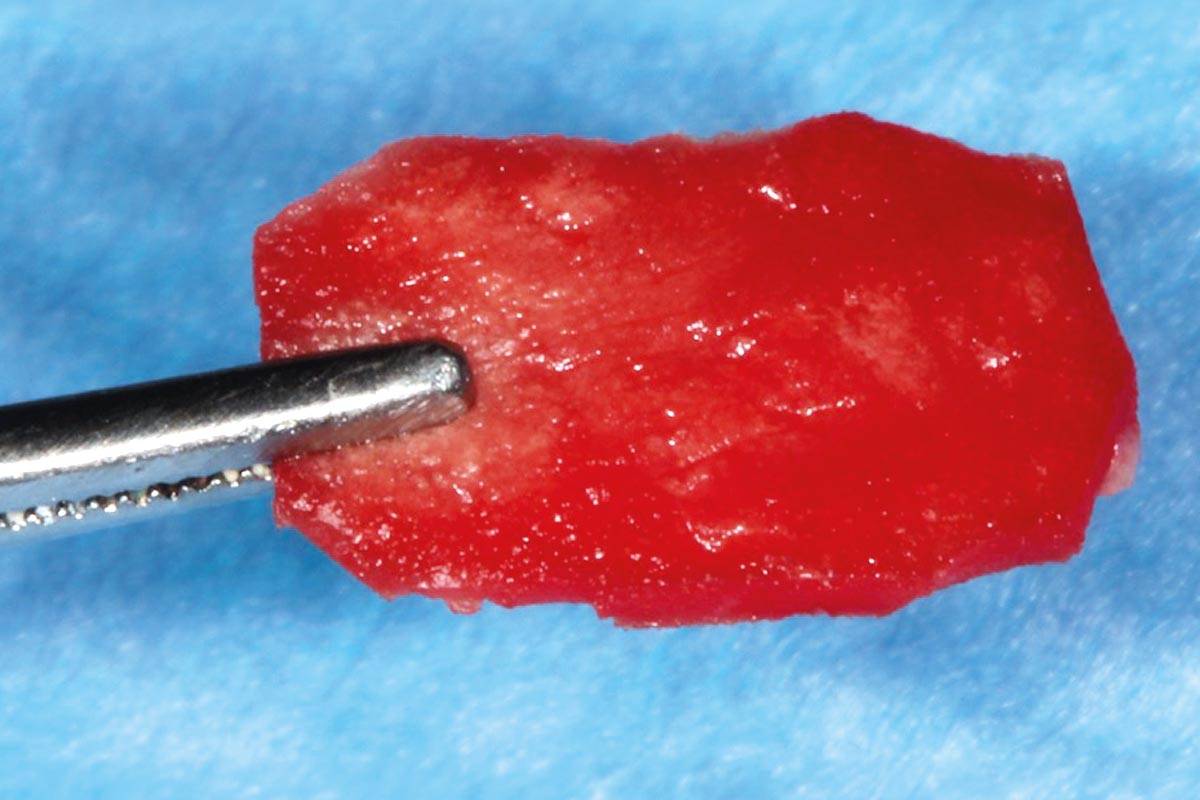
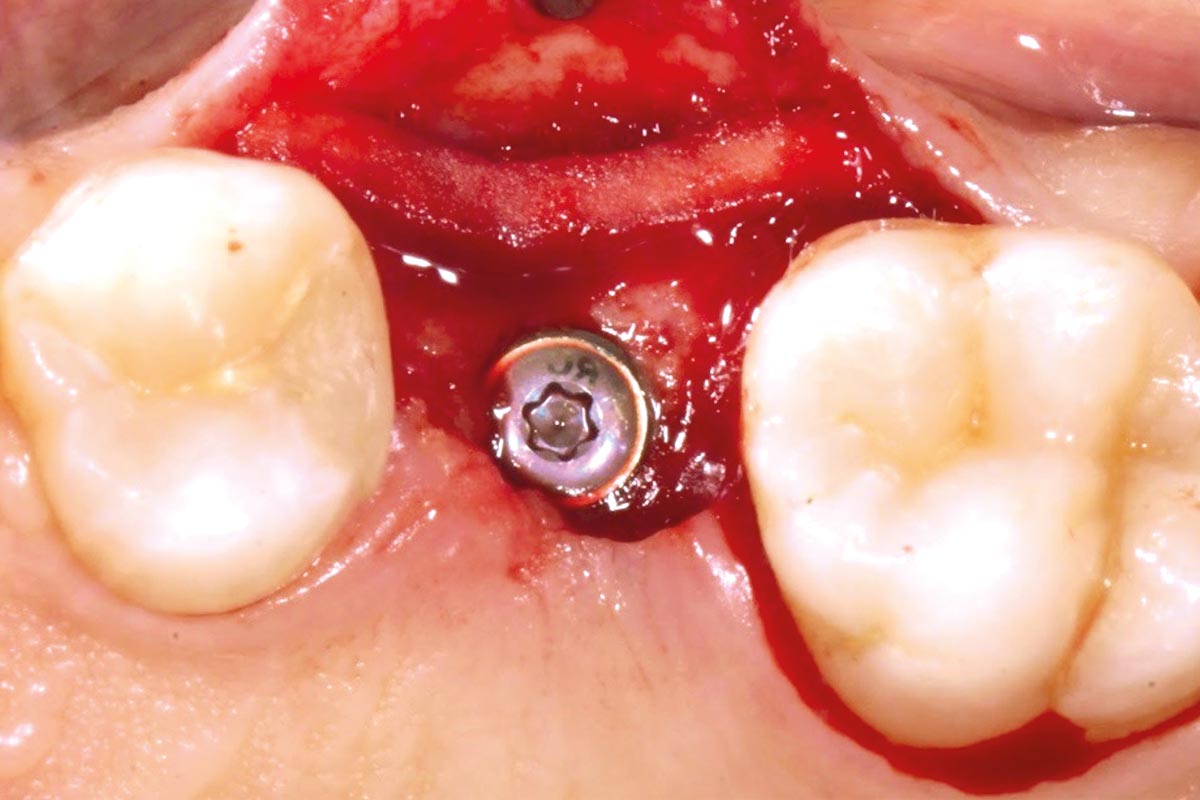
Following elevation of a full-thickness flap, the implant was placed in a prosthetically driven position. During second-stage surgery, a slightly palatal U-shaped crestal incision was performed to facilitate placement of the matrix. mucoderm® was hydrated in the patient’s blood for 5 minutes before being positioned on the vestibular aspect to increase soft tissue volume and improve the peri-implant contour without the need for fixation sutures. The healing abutment was then placed, and primary wound closure was achieved, allowing for uneventful healing and predictable integration of the collagen matrix.
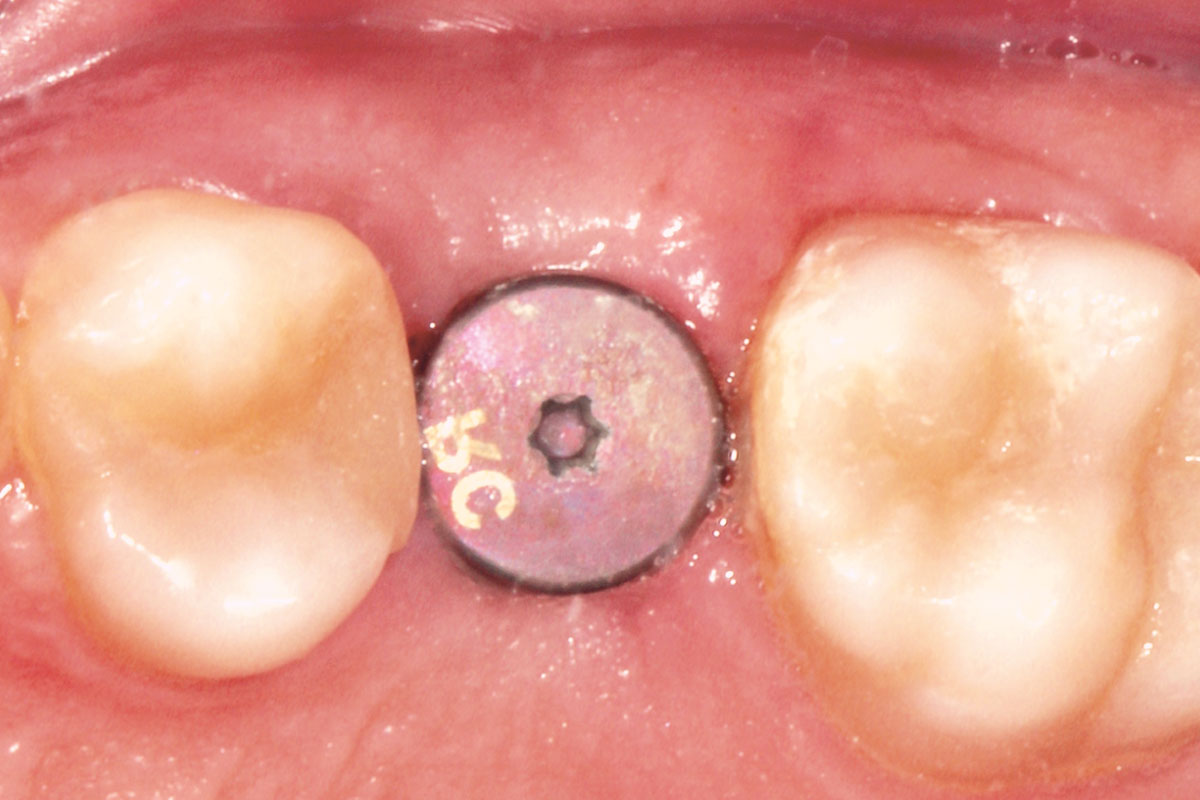
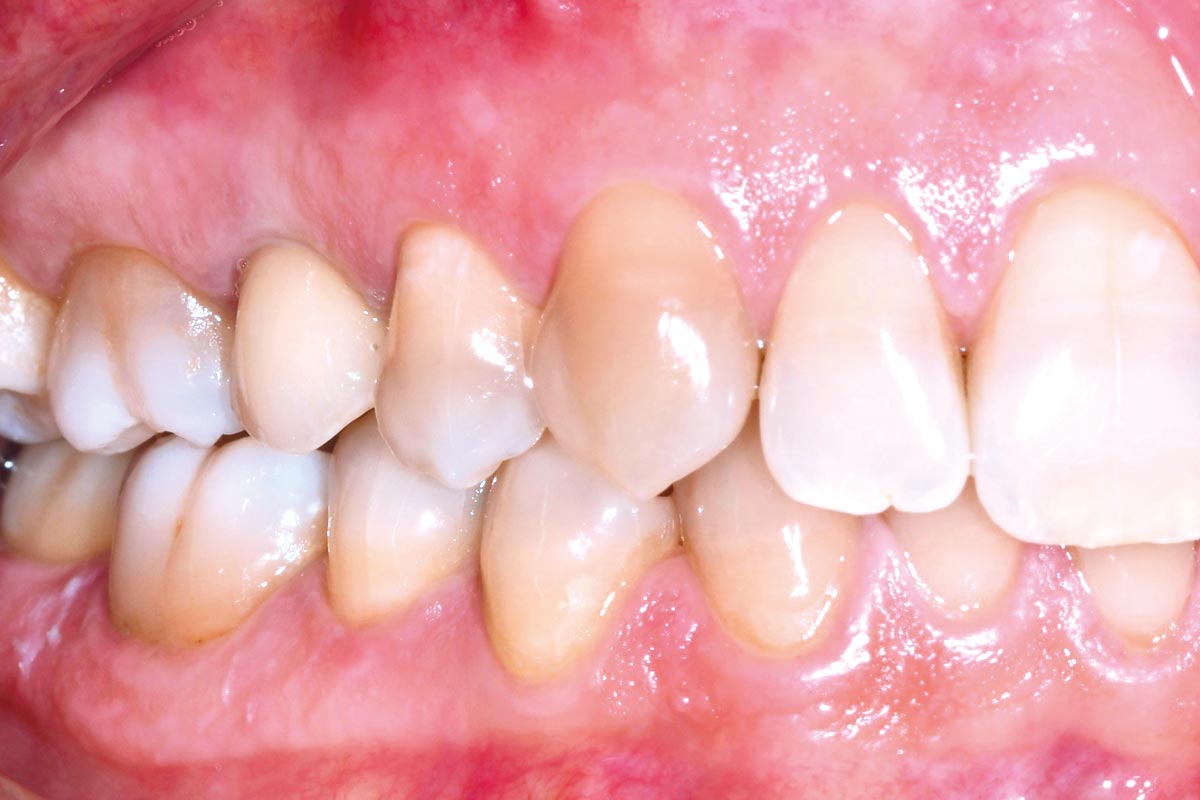
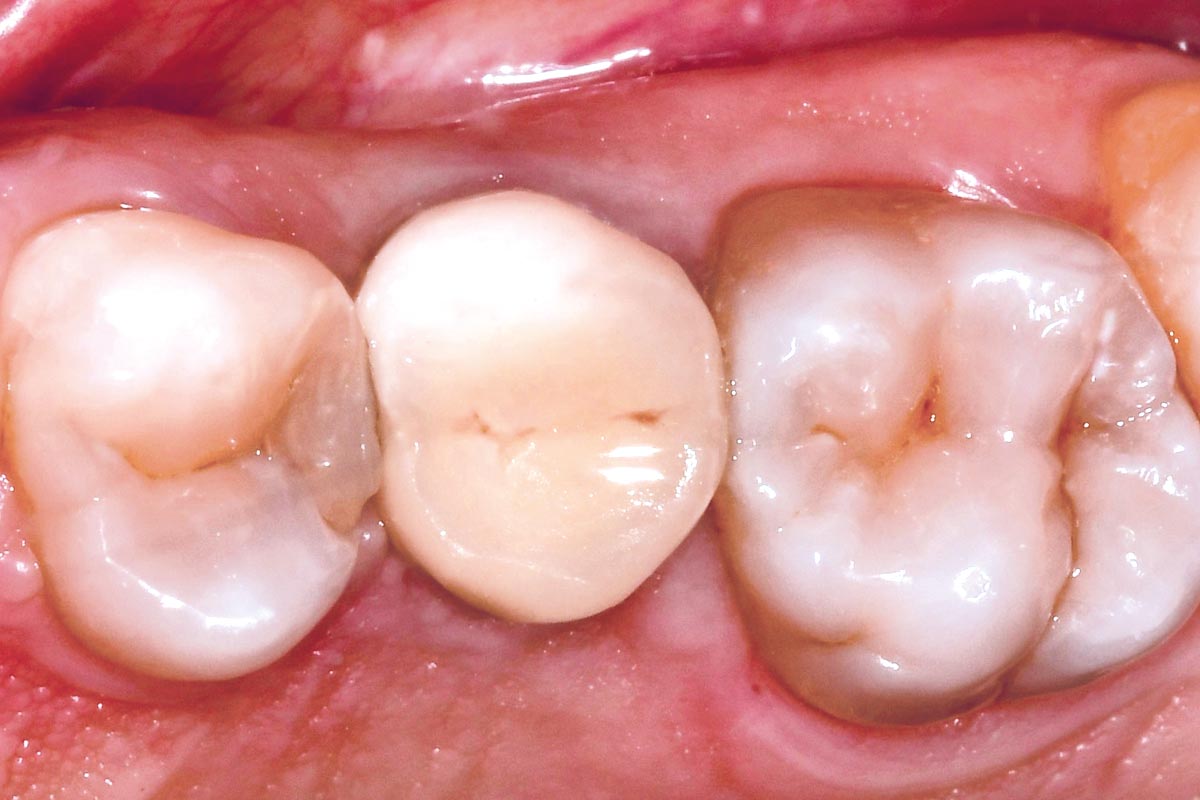
Early follow-up examinations at 10 days and 1 month demonstrated a substantial increase in soft tissue thickness, resulting in an intentionally overcorrected contour. While physiological soft tissue remodeling was observed during the first year, the augmented volume remained stable between the 6-month and 1-year evaluations.
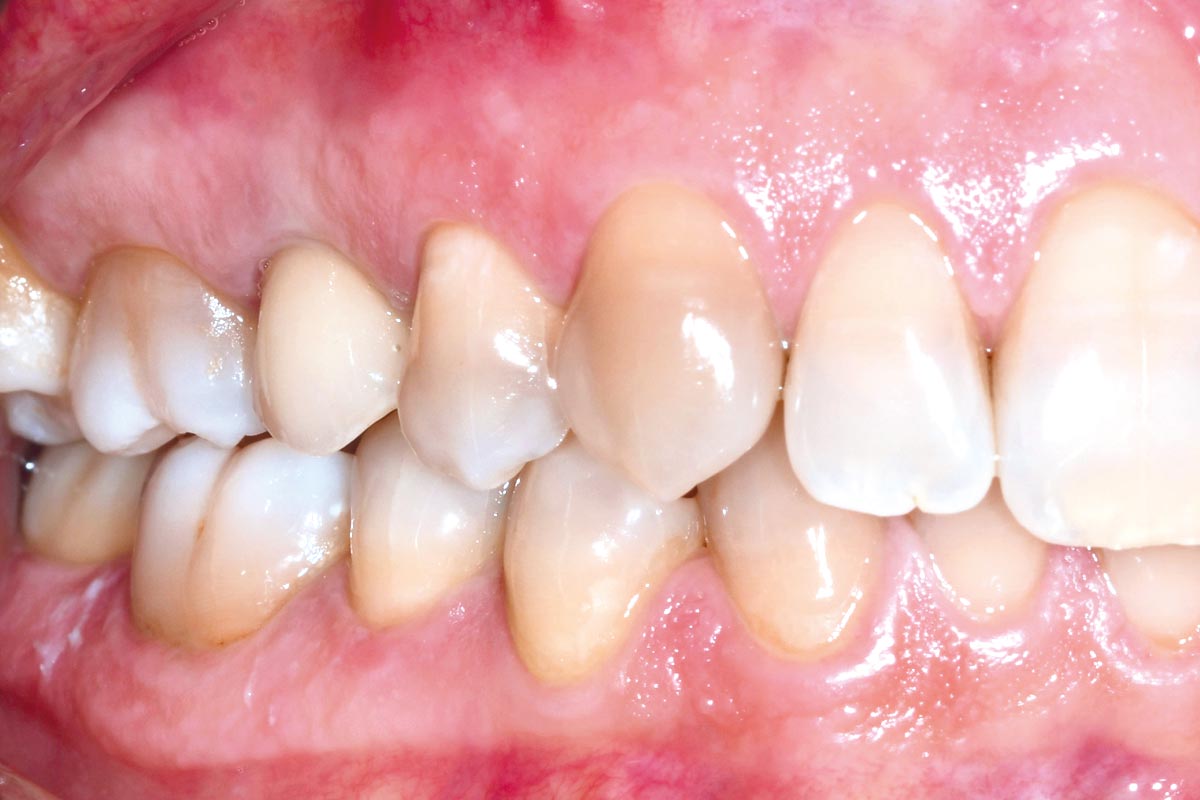
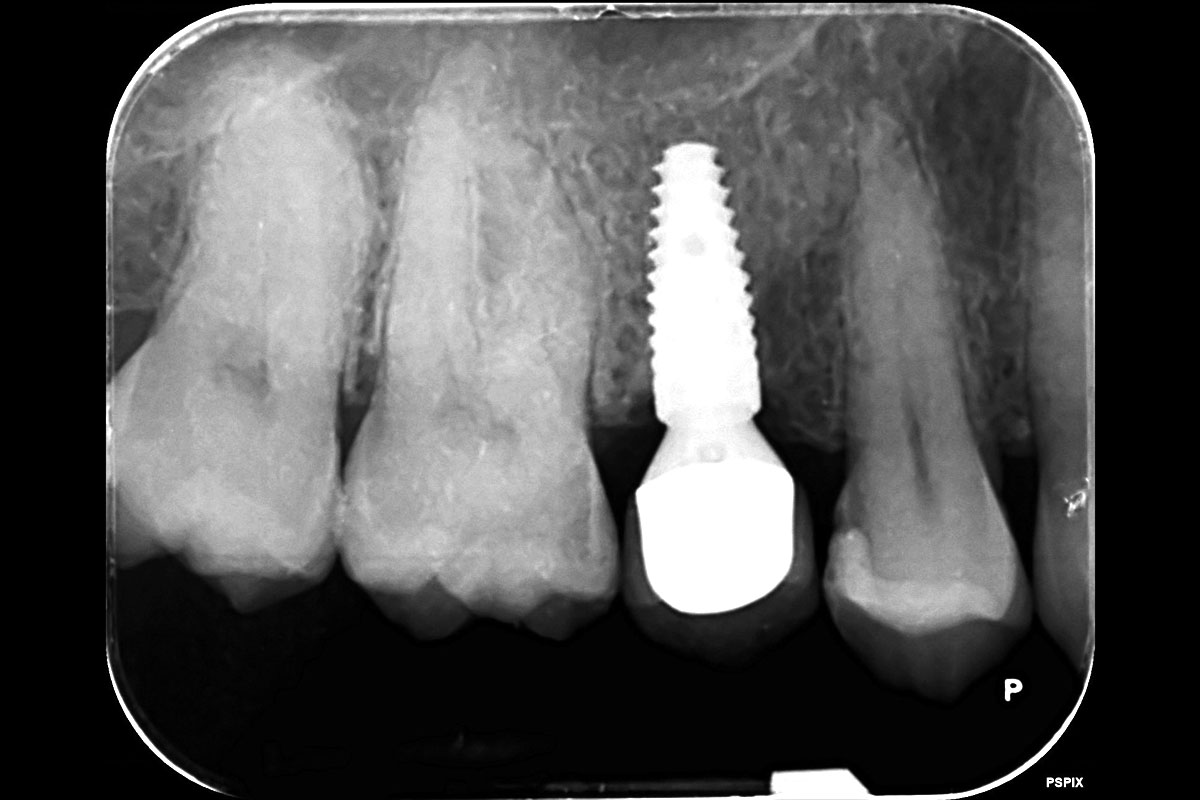
Long-term clinical and radiographic assessments at 2, 8, and 10 years confirmed healthy peri-implant tissues, stable hard tissue conditions, and a well-maintained peri-implant soft tissue architecture. The use of mucoderm® provided predictable soft tissue augmentation, improved peri-implant contour, and long-term tissue stability after 10 years without the need for harvesting an autogenous connective tissue graft.
Also interesting
- Prof. Piero PapiItalyProf. Daniel G. PompaUnited States of America