

Webinar | RECORDED-WEBINAR
Abstract:
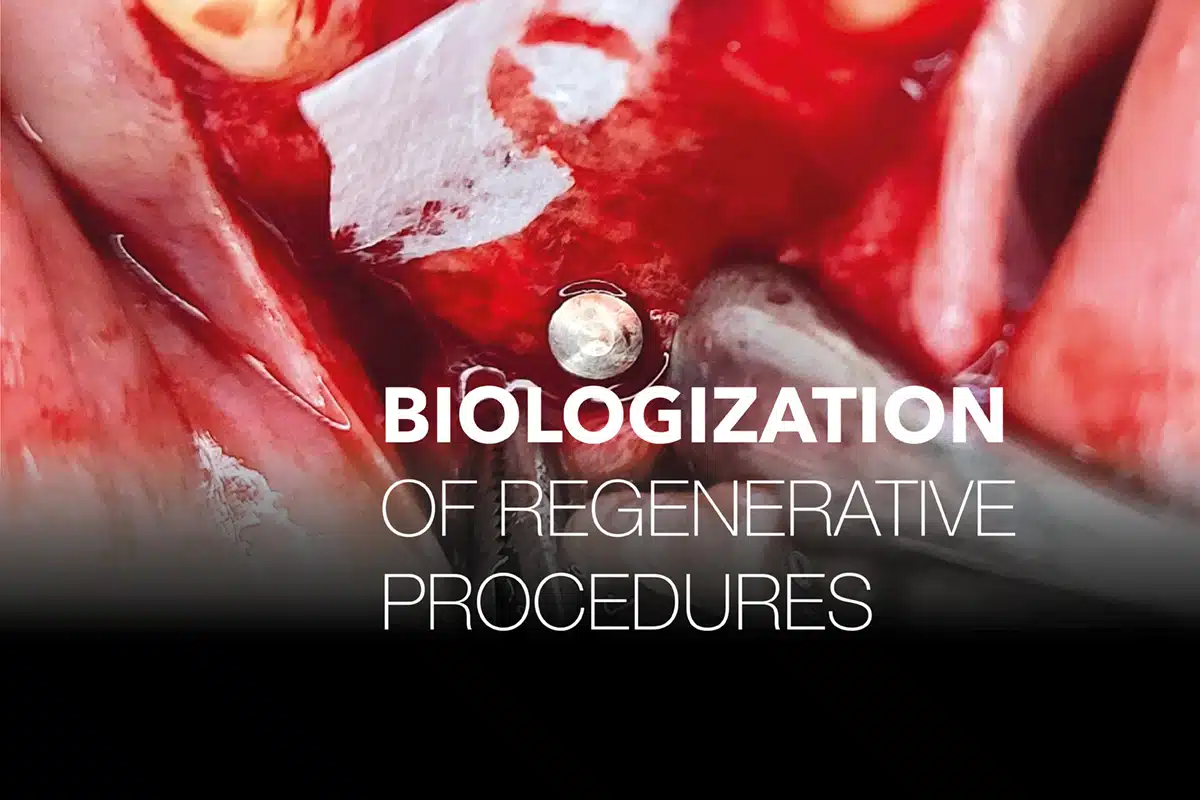
Advances in regenerative implant dentistry are increasingly focused on biologically driven approaches that enhance hard- and soft-tissue healing while minimizing surgical. Among emerging strategies, the combination of hyaluronic acid (HA) with allogenic bone graft materials, and magnesium-based barrier membranes represent promising next-generation concepts for augmentative procedures in implantology.
Hyaluronic acid is a glycosaminoglycan with well-documented anti-inflammatory, angiogenic, and wound-healing properties. It has demonstrated significant potential in promoting cellular migration and osteogenesis. When combined with allogenic bone grafts, HA may improve graft handling characteristics and create a biologically active microenvironment favorable for accelerated bone formation and integration. Allogenic grafting materials offer the additional advantages of osteoconductivity and reduced donor-site morbidity, thus, making them increasingly attractive alternatives to autogenous bone.
At the same time, magnesium-based resorbable membranes are emerging as innovative biomaterials in guided bone regeneration (GBR). Their unique biomechanical properties, controlled degradation profile, and potential osteopromotive effects position them as a compelling alternative to conventional collagen and non-resorbable membranes. Magnesium’s capacity to support vascularization and bone metabolism may further synergize with HA-enhanced regenerative pathways, contributing to improved healing dynamics and reduced complication rates.
This webinar will explore the scientific rationale and clinical applications of combining hyaluronic acid, allogenic bone substitutes, and magnesium-based membranes in implant-related augmentation procedures. Current evidence, surgical protocols, clinical indications, and future perspectives will be discussed, highlighting how biologically active regenerative concepts may redefine the standards of bone augmentation in modern implantology.
Learning objectives:
- Understand the biological properties and regenerative potential of hyaluronic acid in combination with allografts in implant-related augmentation procedures.
- Evaluate the clinical advantages and limitations of allogenic bone graft materials.
- Explore the role of magnesium-based resorbable membranes in enhancing bone healing.
- Analyze the synergistic effects of combining hyaluronic acid, allogenic grafts, and magnesium-based membranes in contemporary implantology.
- Apply concepts and clinical protocols for biologically driven augmentation procedures to improve predictability and implant success.

AUCH INTERESSANT
- CASE REPORT


 PD Dr. Frank KlossAustria
 - Study